Research Articles

REVAMP Metabarcoding Pipeline: A Comprehensive Guide for Biomedical Researchers and Drug Development
This article provides a detailed exploration of the REVAMP automated metabarcoding pipeline, a powerful tool for microbiome data analysis.
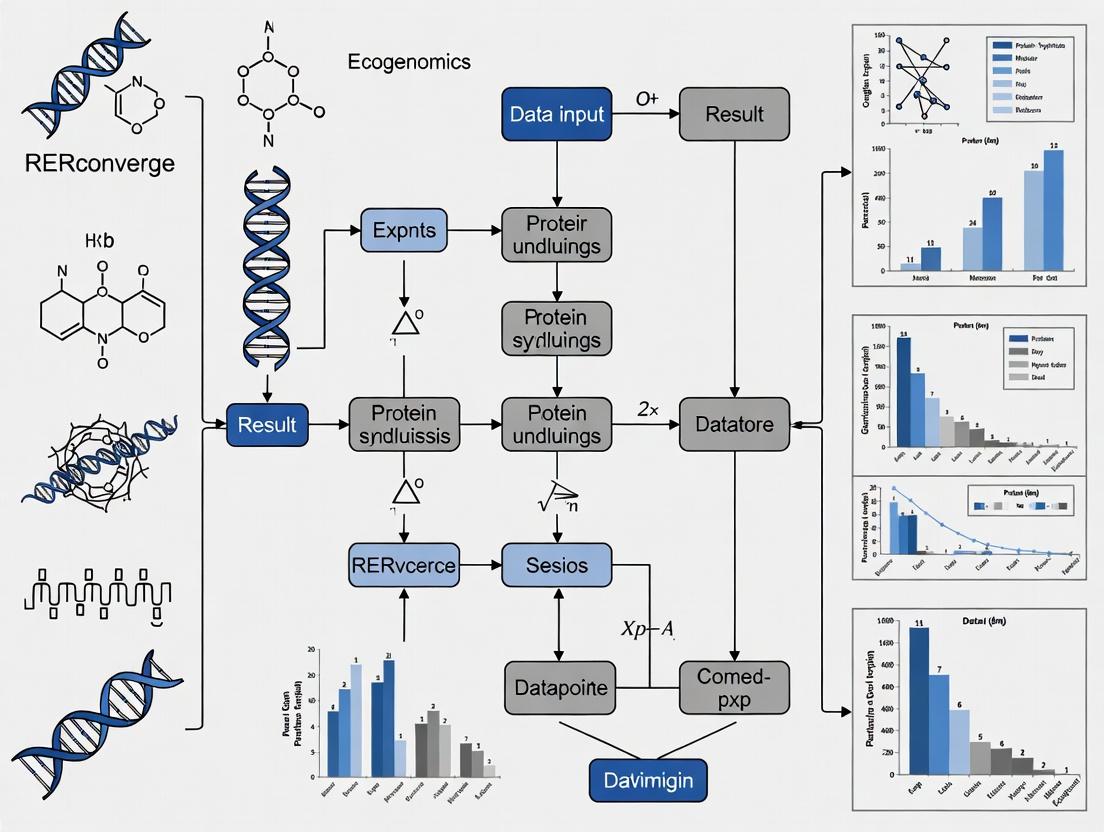
RERconverge: A Comprehensive Guide to Detecting Evolutionary Phenotype-Genotype Associations
This article provides a detailed exploration of the RERconverge method, a powerful computational tool for identifying genetic associations with convergent phenotypes across the tree of life.
Engineering Precision: A Guide to RDase Substrate Specificity Mutagenesis for Drug Discovery
This article provides a comprehensive guide to mutagenesis studies targeting the substrate specificity of Reductive Dehalogenase (RDase) enzymes.
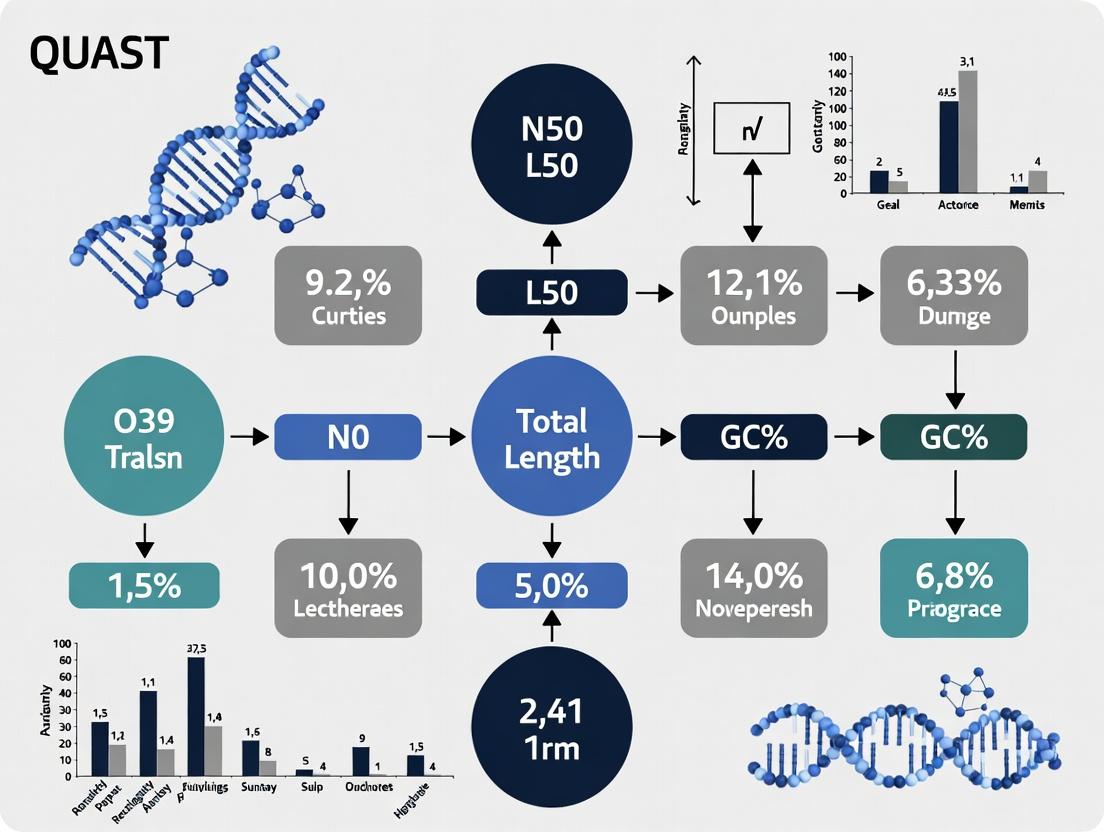
Beyond Assembly: A Comprehensive Guide to Evaluating Metagenomes with QUAST Metrics for Contiguity and Completeness
This article provides a comprehensive guide for researchers and bioinformatics professionals on using QUAST (Quality Assessment Tool for Genome Assemblies) to evaluate metagenomic assemblies.
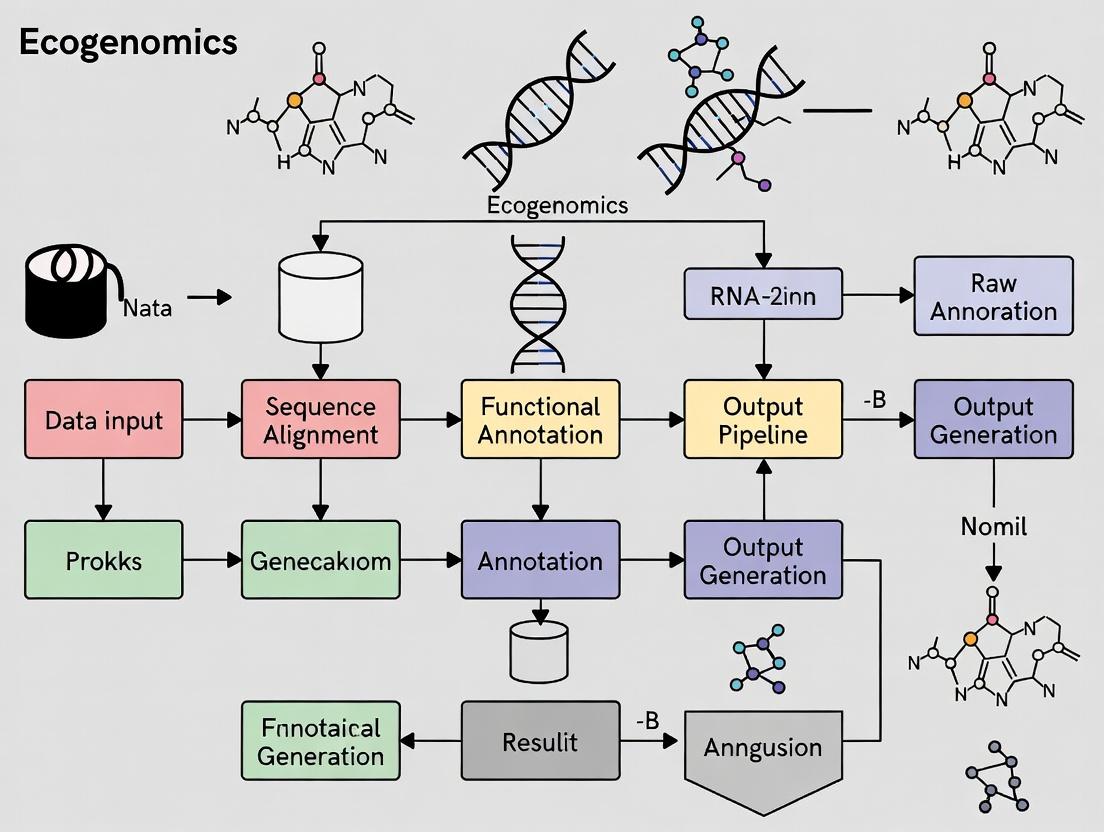
The Complete Guide to Prokka COG Annotation: A Step-by-Step Pipeline for Functional Genomics
This comprehensive guide provides researchers, scientists, and drug development professionals with a complete framework for functional annotation of bacterial and archaeal genomes using Prokka with Clusters of Orthologous Groups (COG)...
GC Bias in NGS: A Comprehensive 2024 Comparison of Illumina Short-Read vs. PacBio HiFi Long-Read Sequencing Performance
This article provides a detailed technical evaluation of GC bias, a critical performance metric in next-generation sequencing, comparing the dominant short-read Illumina platforms with PacBio's high-fidelity (HiFi) long-read technology.
Beyond BLAST: Leveraging PSI-BLAST for Accurate COG Classification and Functional Annotation in Genomic Research
This article provides a comprehensive guide for researchers and bioinformaticians on using PSI-BLAST for Clusters of Orthologous Groups (COG) classification.
How PICNC AI Transforms Crop Genomics: Predicting Mutation Impact for Precision Breeding and Disease Resistance
This article provides researchers, scientists, and biotechnology professionals with a comprehensive analysis of the Protein-Interaction-Centric Network and Context (PICNC) framework for predicting the functional impact of genetic mutations in crops.
Mastering PEMA: A Complete Guide to the Pipeline for eDNA Metabarcoding Analysis in Biomedical Research
This article provides a comprehensive guide to the PEMA (Pipelines for Environmental Metabarcoding Analysis) bioinformatics pipeline, designed specifically for environmental DNA (eDNA) metabarcoding.
PCR-Free Library Prep: A Guide to Eliminating GC Bias for Accurate NGS Analysis
This article provides a comprehensive guide for researchers and drug development professionals on PCR-free library preparation for next-generation sequencing (NGS).