Microbial Community Structure Analysis Using Metagenomics: From Foundational Concepts to Clinical and Pharmaceutical Applications
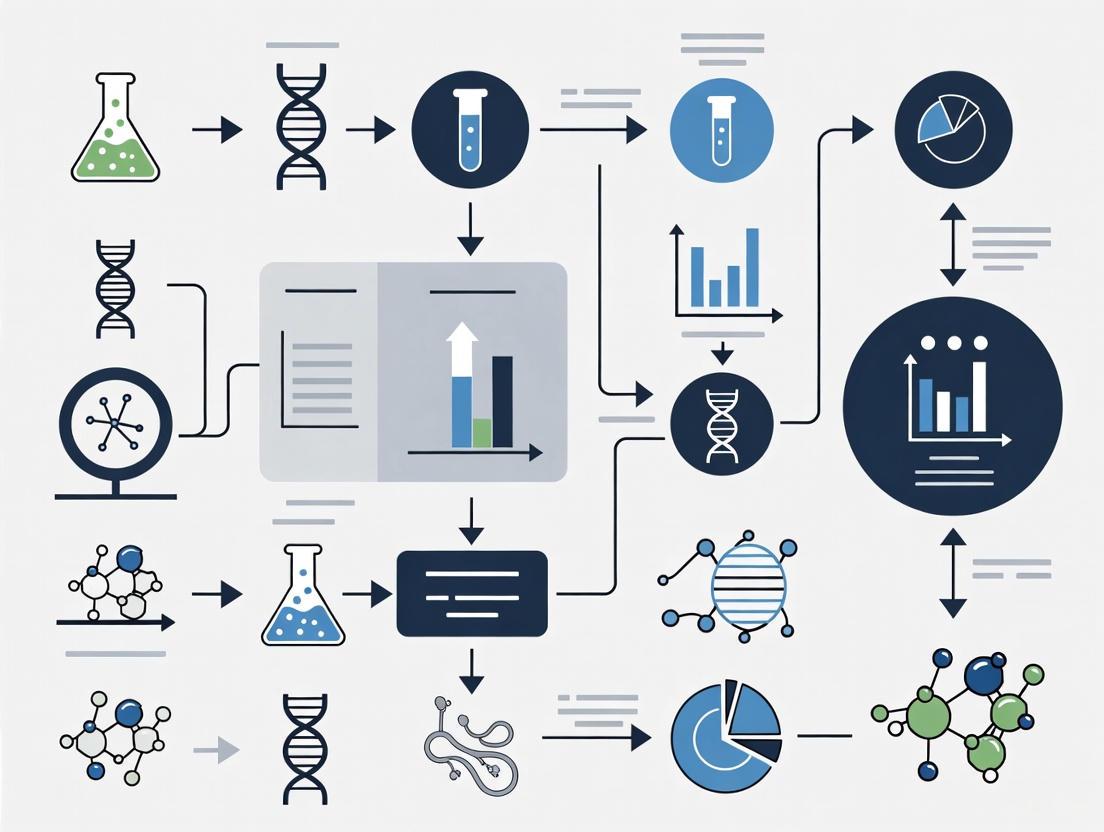
This article provides a comprehensive overview of microbial community structure analysis using metagenomics, tailored for researchers, scientists, and drug development professionals.
Microbial Community Structure Analysis Using Metagenomics: From Foundational Concepts to Clinical and Pharmaceutical Applications
Abstract
This article provides a comprehensive overview of microbial community structure analysis using metagenomics, tailored for researchers, scientists, and drug development professionals. It covers the foundational principles of exploring uncultured microbial diversity, details cutting-edge methodological approaches and sequencing protocols, and addresses critical troubleshooting and optimization strategies for data analysis. Furthermore, it examines the rigorous validation of metagenomic assays and their comparative performance against traditional methods. By synthesizing insights from recent studies and clinical validations, this review highlights the transformative impact of metagenomics in pharmaceutical development, therapeutic discovery, and clinical diagnostics, offering a practical guide for applying these techniques in research and industry.
Unlocking the Uncultured Majority: Foundational Principles of Microbial Metagenomics
Metagenomics is the study of the structure and function of entire nucleotide sequences isolated and analyzed from all the organisms (typically microbes) in a bulk sample [1]. This approach allows researchers to analyze the collective genomes of microbial communities directly from environmental samples, bypassing the need for isolation or laboratory cultivation of individual species [2]. The term "metagenomics" was first coined by Jo Handelsman and colleagues in 1998, referencing the idea that a collection of genes sequenced from the environment could be analyzed analogously to the study of a single genome [3].
This culture-independent technique has fundamentally transformed microbial ecology and evolutionary biology by revealing previously hidden biodiversity [3]. Conventional sequencing methods that rely on cultured cells inevitably miss the vast majority of microorganisms, as estimates suggest cultivation-based methods find less than 1% of the bacterial and archaeal species present in most environmental samples [3]. Metagenomics has overcome this limitation, providing unprecedented insights into the functional potential and compositional diversity of microbial communities across diverse habitats, from the human gut to extreme environments.
Key Methodological Approaches in Metagenomics
Metagenomic studies generally follow one of two primary paths, each with distinct advantages and applications suited to different research questions.
Shotgun Metagenomics
Shotgun metagenomics involves sequencing random fragments of all the genomes present in a sample [4]. This approach provides information about both which organisms are present and what metabolic processes are possible in the community [3]. When sufficient sequencing depth is achieved, it is possible to reconstruct complete or draft individual genomes from a shotgun metagenome, known as Metagenome-Assembled Genomes (MAGs) [4]. This method enables direct access to the functional gene composition of microbial communities, revealing genomic linkages between function and phylogeny for uncultured organisms [5].
Amplicon-Based Metagenomics (Metabarcoding)
Amplicon sequencing, also referred to as metabarcoding, involves PCR amplification of specific taxonomic marker genes from a sample [3] [4]. The most common target is the 16S ribosomal RNA (rRNA) gene for bacterial communities, though other markers such as the internal transcribed spacer (ITS) region are used for fungal communities [6]. This approach is primarily used for taxonomic profiling to identify which microorganisms are present in a sample [4]. While generally more cost-effective than shotgun sequencing, thereby facilitating better experimental replication, amplicon metagenomes cannot directly reveal the full metabolic functions encoded in the genomes [4].
Table 1: Comparison of Metagenomic Sequencing Approaches
| Feature | Shotgun Metagenomics | Amplicon Sequencing (Metabarcoding) |
|---|---|---|
| Target | All genomic DNA in sample | Specific marker genes (e.g., 16S rRNA) |
| Information Obtained | Taxonomic & functional profile | Primarily taxonomic profile |
| Ability to Detect Novel Genes | Yes | Limited to target gene |
| Cost | Higher | Lower, enabling better replication |
| Sensitivity to Low-Abundance Taxa | Requires high sequencing depth | More sensitive with appropriate primers |
| Reference Database Dependence | High for annotation | High for taxonomy assignment |
| Clinical Applications | Pathogen discovery, resistance genes | Microbial community profiling |
Experimental Workflow and Protocols
A typical metagenomic study follows a structured workflow from sample collection through data analysis, with each step requiring careful optimization to ensure representative and interpretable results.
Sample Collection and Processing
Sample processing represents the first and most crucial step in any metagenomics project [5]. The DNA extracted must be representative of all cells present in the sample, and sufficient amounts of high-quality nucleic acids must be obtained for subsequent library production and sequencing [5]. Specific protocols must be tailored to each sample type, whether environmental (soil, water), host-associated (human gut, rhizosphere), or clinical in origin.
When the target community is associated with a host, fractionation or selective lysis methods may be necessary to minimize host DNA contamination, which is particularly important when the host genome is large and might otherwise overwhelm the microbial sequences in subsequent sequencing efforts [5]. For samples with limited starting material, such as biopsies or groundwater, Multiple Displacement Amplification (MDA) using random hexamers and phage phi29 polymerase may be required to increase DNA yields, though this approach carries potential biases that must be considered [5].
DNA Extraction and Quality Control
The DNA extraction method must be carefully selected based on sample type, as different microbial taxa may exhibit varying susceptibility to lysis methods [6]. Efficient lysis of diverse microorganisms often requires enzymatic treatment with enzymes such as lysozyme, lysostaphin, and mutanolysin to break glycosidic linkages or transpeptidase bonds in cell walls [6]. The resulting spheroplasts are fragile and can be easily broken using lysis reagents or mechanical forces. The quality and quantity of extracted DNA should be rigorously assessed before proceeding to library preparation, typically using spectrophotometric, fluorometric, or capillary electrophoresis methods.
Library Preparation and Sequencing Technologies
Library preparation for metagenomic sequencing involves several critical steps: DNA fragmentation, adapter ligation, size selection, and final library quantification [6]. The choice of sequencing technology significantly impacts the design and outcomes of metagenomic studies, with several platforms currently in widespread use.
Table 2: Comparison of Sequencing Technologies for Metagenomics
| Technology | Read Length | Throughput | Advantages | Limitations |
|---|---|---|---|---|
| Illumina | 150-300 bp (paired-end) | High (up to 60 Gbp per channel) | Low cost per base, high accuracy | Shorter read length challenges assembly |
| 454/Roche Pyrosequencing | 600-800 bp | Medium (~500 Mbp per run) | Longer reads improve assembly | Higher cost, homopolymer errors |
| PacBio SMRT | >10,000 bp | Medium | Resolves complex regions | Higher error rate, requires more DNA |
| Oxford Nanopore | Variable, up to >100,000 bp | Variable | Long reads, real-time analysis | Higher error rate, sample prep sensitivity |
Shotgun metagenomics has gradually shifted from classical Sanger sequencing to next-generation sequencing (NGS) technologies, with Illumina and 454/Roche systems being extensively applied to metagenomic samples [5]. More recently, long-read sequencing technologies from Pacific Biosciences (PacBio) and Oxford Nanopore Technologies are being increasingly utilized as these technologies advance, offering significantly longer reads that simplify the assembly process, particularly in repetitive or structurally complex genomic regions [3].
Bioinformatic Analysis and Data Interpretation
The analysis of metagenomic data presents significant computational challenges due to the enormous size and inherent complexity of the datasets, which may contain fragmented data representing thousands of species [3]. A common approach involves classifying sequencing reads using alignment to reference databases of genes and genomes to establish homology, with the resulting counts of classified reads used to compute statistics estimating the abundance of taxonomic groups and gene families [7].
Two primary strategies dominate metagenomic analysis: taxonomic profiling (sequence-based analysis) to determine phylogenetic relationships, and functional profiling to identify genes encoding specific activities or pathways [6]. Assembly-based approaches attempt to reconstruct longer contiguous sequences (contigs) from short reads, which can then be binned into Metagenome-Assembled Genomes (MAGs) based on sequence composition, coverage, and co-variation patterns [7].
Analytical Frameworks for Microbial Community Structure
Diversity Metrics and Community Analysis
The characterization of microbial communities typically employs two complementary classes of diversity measures: alpha diversity and beta diversity [8]. Alpha diversity describes the species richness, evenness, or diversity within a single sample, while beta diversity measures the similarity or dissimilarity between two or more microbial communities [8] [9].
Alpha diversity metrics can be categorized into four main groups based on their mathematical properties and the aspects of diversity they capture [9]:
- Richness metrics (e.g., Chao1, ACE, Observed Features): Quantify the number of different taxa in a sample.
- Dominance/Evenness metrics (e.g., Simpson, Berger-Parker, Gini): Measure the distribution of abundances among taxa.
- Phylogenetic metrics (e.g., Faith's Phylogenetic Diversity): Incorporate evolutionary relationships between taxa.
- Information metrics (e.g., Shannon, Brillouin): Derived from information theory, considering both richness and evenness.
Recent guidelines recommend including metrics from multiple categories to comprehensively characterize samples, as this approach reveals key aspects that might be obscured by partial or biased information [9]. Essential metrics should capture richness, phylogenetic diversity, entropy, dominance patterns, and estimates of unobserved microbes.
Normalization and Rarefaction
Metagenomic data are inherently compositional and sparse, meaning that the measured diversity is dependent on sequencing depth [8]. By chance, a more deeply sequenced sample is likely to exhibit greater diversity than a sample with lower sequencing depth. Rarefaction is a commonly used technique to address this by subsampling reads without replacement to a defined sequencing depth, thereby creating a standardized library size across samples [8]. Rarefaction curves plot the number of sequences sampled against the expected species diversity, allowing researchers to identify the sequencing depth at which diversity estimates stabilize, indicating that the microbial diversity has been adequately captured [8].
Applications in Research and Drug Development
Metagenomics has enabled substantial advances in microbial ecology, evolution, and diversity, with growing applications in biotechnology and medicine [5] [2].
Clinical Metagenomics
Clinical metagenomic next-generation sequencing (mNGS) involves comprehensive analysis of microbial and host genetic material from patient samples and is rapidly moving from research to clinical laboratories [10]. This emerging approach is changing how physicians diagnose and treat infectious diseases, with applications spanning antimicrobial resistance, microbiome analysis, human host gene expression (transcriptomics), and oncology [10]. mNGS has proven particularly valuable for detecting unexpected pathogens in cases where conventional testing has failed, with demonstrated impact in diagnosing neurological infections, respiratory illnesses, and sepsis [10].
Drug Discovery and Biotechnology
Metagenomic approaches have facilitated the discovery of novel genes and metabolic pathways that contribute to biotechnological applications like drug development and bioenergy production [2]. Functional metagenomics has identified numerous novel bioactive compounds, including antibiotics like Terbomycine A and B, anti-infectives like lactonases, and various enzymes with industrial applications [6]. By providing access to the genetic potential of unculturable microorganisms, metagenomics dramatically expands the accessible chemical diversity for drug discovery programs.
Microbial Ecology and Environmental Monitoring
Metagenomics enables researchers to assess the impact of factors such as pollution, climate change, and land use on microbial diversity [2]. Comparative metagenomics across different environments has revealed how environmental disturbances affect microbial community structure and function, with implications for ecosystem health, biogeochemical cycling, and environmental sustainability [7].
The Scientist's Toolkit: Essential Research Reagents and Materials
Table 3: Key Research Reagents and Materials for Metagenomic Studies
| Reagent/Material | Function | Application Notes |
|---|---|---|
| Enzymatic Lysis Cocktail (Lysozyme, Lysostaphin, Mutanolysin) | Breaks cell walls of diverse microorganisms | Essential for representative DNA extraction from heterogeneous communities |
| Multiple Displacement Amplification (MDA) Kit | Amplifies femtograms of DNA to micrograms | Used with low-biomass samples; potential for amplification bias |
| Size Selection Beads | Selects DNA fragments of desired size | Critical for optimizing library preparation for specific sequencing platforms |
| 16S rRNA PCR Primers | Amplifies conserved taxonomic marker | Targets variable regions (V3-V4) for bacterial community profiling |
| Adapter Sequences | Enables binding to sequencing surfaces | Platform-specific sequences ligated to DNA fragments |
| Metagenomic DNA Extraction Kits | Standardized community DNA isolation | Optimized for different sample types (soil, stool, water) |
| Bioanalyser System | Assesses library quality and fragment size | Critical quality control step before sequencing |
Workflow Visualization
The following diagram illustrates the comprehensive workflow for a metagenomic study, integrating both laboratory and computational processes:
Metagenomics has fundamentally transformed our approach to studying microbial communities, providing a powerful culture-independent methodology for exploring the vast diversity of microorganisms that remain inaccessible through traditional cultivation methods. As sequencing technologies continue to advance and computational methods become more sophisticated, metagenomics is poised to deliver increasingly detailed insights into microbial community structure and function.
The future of metagenomics lies in overcoming current challenges related to standardization, data comparability, and integration of multi-omic datasets. As these hurdles are addressed, metagenomics will continue to drive discoveries in basic microbial ecology while enabling transformative applications in clinical diagnostics, therapeutic development, and environmental management. The continued refinement of metagenomic protocols and analytical frameworks will further establish this approach as an indispensable tool for exploring the microbial world and harnessing its potential for scientific and biomedical advancement.
The Crucial Role in Pharmaceutical Development and Drug Discovery
Metagenomics, the direct genetic analysis of genomes contained within an environmental sample, is fundamentally reshaping the approach to pharmaceutical development and drug discovery. By providing culture-independent access to the vast metabolic potential of diverse microbial communities, this technology enables researchers to identify novel bioactive compounds and therapeutic targets with unprecedented speed and scope [11]. The human microbiome, particularly the gut microbiota, represents a rich repository of metabolic enzymes, signaling molecules, and modulators of host physiology that interact with drug metabolism, efficacy, and toxicity [11]. Understanding these microbial influences is critical for developing next-generation pharmaceuticals, including targeted antimicrobials, microbiome-based therapeutics, and drugs with improved pharmacokinetic profiles.
The integration of metagenomic data with artificial intelligence and machine learning platforms has accelerated the identification of promising lead compounds and enhanced our understanding of host-microbe-drug interactions [11] [12]. This application note details standardized protocols and analytical frameworks for applying metagenomics to pharmaceutical development, enabling researchers to systematically explore microbial communities for novel therapeutic applications.
Key Applications in Drug Discovery
Novel Bioactive Compound Discovery
Metagenomic mining of microbial communities from diverse environments has revealed countless biosynthetic gene clusters (BGCs) encoding novel antibiotics, antifungals, and anticancer agents. Functional metagenomics involves expressing cloned microbial DNA directly in heterologous hosts to detect bioactive compounds, bypassing culturalility limitations. This approach has yielded novel chemical entities such as terragines and violacein, which demonstrate potent anticancer and antimicrobial properties [11]. The table below summarizes major compound classes discovered through metagenomic approaches:
Table 1: Bioactive Compounds Discovered via Metagenomic Approaches
| Compound Class | Biosynthetic Origin | Therapeutic Activity | Discovery Approach |
|---|---|---|---|
| Antimicrobial peptides | Uncultured soil bacteria | Antibacterial, antifungal | Functional screening |
| Polyketides | Marine sponge microbiome | Anticancer, immunosuppressive | Sequence-based mining |
| Non-ribosomal peptides | Acid mine drainage communities | Antibiotic, cytotoxic | Hybrid synthetic biology |
| Terpenoids | Plant endophytic communities | Anti-inflammatory, antiparasitic | Metagenomic library screening |
Drug Metabolism and Personalized Medicine
The human gut microbiota significantly modulates drug pharmacokinetics through enzymatic transformations that alter bioavailability, activity, and toxicity [11]. Metagenomic profiling enables prediction of individual variation in drug response based on microbial metabolic capacity, facilitating personalized treatment strategies. Key microbial drug-metabolizing activities include:
- Prodrug activation: Microbial enzymes convert inactive prodrugs to active therapeutics, as seen with sulfasalazine activation in inflammatory bowel disease
- Toxification: Conversion of drugs to toxic metabolites, such as digoxin reduction by Eggerthella lenta
- Inactivation: Microbial metabolism that decreases drug efficacy, including levodopa decarboxylation
Table 2: Microbial Modulators of Drug Metabolism and Response
| Drug | Microbial Species/Enzyme | Metabolic Transformation | Clinical Impact |
|---|---|---|---|
| Digoxin | Eggerthella lenta (cgr operon) | Reduction to inactive metabolites | Reduced efficacy in 10% of patients |
| Acetaminophen | Gut microbial β-glucuronidases | Reactivation of glucuronidated form | Enterohepatic recirculation, hepatotoxicity |
| L-dopa | Enterococcus faecalis, TyrDC | Decarboxylation to dopamine | Reduced Parkinson's disease efficacy |
| Irinotecan | Gut bacterial β-glucuronidases | Reactivation of glucuronidated form | Severe diarrhea, dose limitations |
| Sulfasalazine | Gut azoreductases | Cleavage to 5-aminosalicylic acid | Targeted delivery in IBD treatment |
Microbiome-Disease Associations and Therapeutic Targeting
Metagenomic association studies have identified specific microbial taxa and functions implicated in disease pathogenesis, revealing novel therapeutic targets [11]. Dysbiosis in conditions like inflammatory bowel disease (IBD), obesity, and neurological disorders involves characteristic alterations in microbial community structure and function that can be modulated therapeutically. Key findings include:
- Inflammatory Bowel Disease: Depletion of Faecalibacterium prausnitzii and increased Enterobacteriaceae correlate with disease activity and mucosal inflammation [11]
- Metabolic Disorders: Specific microbial signatures in obesity and type 2 diabetes involve altered short-chain fatty acid production and bile acid metabolism
- Neurological Conditions: Gut-brain axis communication involves microbial production of neuroactive metabolites (GABA, serotonin precursors) that influence central nervous system function [11]
Experimental Protocols
Protocol for Metagenomic DNA Extraction from Fecal Samples
This protocol describes standardized procedures for extracting high-quality DNA from fecal samples, optimized for pharmaceutical research applications.
Materials and Reagents
Table 3: Essential Research Reagents for Metagenomic DNA Extraction
| Reagent/Material | Function | Example Product |
|---|---|---|
| Lysis Buffer (500 mM NaCl, 50 mM Tris-HCl, 50 mM EDTA, 4% SDS) | Cell membrane disruption | Sigma-Aldrift Lysis Buffer MT |
| Proteinase K | Protein degradation | Thermo Scientific Proteinase K |
| Phenol:Chloroform:Isoamyl Alcohol (25:24:1) | Protein removal and nucleic acid purification | Invitrogen Phenol:Chloroform:Isoamyl Alcohol |
| RNase A | RNA degradation | Qiagen RNase A |
| Isopropanol | DNA precipitation | Fisher Scientific Isopropanol |
| DNA purification columns | Silica-membrane based DNA purification | QIAamp PowerFecal Pro DNA Kit |
| Bead beating tubes | Mechanical disruption of tough cell walls | MP Biomedicals Lysing Matrix E |
Procedure
Sample Preparation: Weigh 180-220 mg of fecal material and transfer to a bead-beating tube containing lysis buffer. Include appropriate positive and negative controls.
Cell Lysis:
- Add 250 μL of lysis buffer and 50 μL of proteinase K (20 mg/mL)
- Vortex thoroughly and incubate at 56°C for 30 minutes with occasional mixing
- Perform bead-beating for 2 minutes at maximum speed using a homogenizer
Nucleic Acid Purification:
- Centrifuge at 13,000 × g for 1 minute to pellet debris
- Transfer supernatant to a new microcentrifuge tube
- Add 250 μL of phenol:chloroform:isoamyl alcohol, vortex for 30 seconds
- Centrifuge at 13,000 × g for 5 minutes
- Transfer aqueous phase to a new tube
DNA Precipitation and Purification:
- Add 0.7 volumes of isopropanol and incubate at -20°C for 30 minutes
- Centrifuge at 13,000 × g for 15 minutes to pellet DNA
- Wash pellet with 70% ethanol and air dry for 10 minutes
- Resuspend in TE buffer or nuclease-free water
- Treat with RNase A (2 μL of 10 mg/mL) for 30 minutes at 37°C
Quality Control:
- Assess DNA concentration using fluorometric methods (Qubit)
- Check DNA integrity by agarose gel electrophoresis
- Verify purity (A260/A280 ratio of 1.8-2.0)
This protocol is adapted from established methodologies for microbial DNA extraction [13].
Shotgun Metagenomic Sequencing and Analysis
This protocol describes the workflow for shotgun metagenomic sequencing and downstream bioinformatic analysis for pharmaceutical applications.
Library Preparation and Sequencing
DNA Quality Assessment: Verify DNA quality using fragment analyzer or Bioanalyzer to ensure high molecular weight DNA.
Library Preparation:
- Fragment DNA to 300-500 bp using acoustic shearing (Covaris)
- Perform end-repair, A-tailing, and adapter ligation using commercial library prep kits (Illumina DNA Prep)
- Cleanup using SPRI beads and amplify with index primers (8 cycles)
Quality Control:
- Quantify libraries using qPCR (KAPA Library Quantification Kit)
- Assess size distribution using Bioanalyzer or TapeStation
Sequencing:
- Pool libraries at equimolar concentrations
- Sequence on Illumina platform (NovaSeq 6000) to target 10-20 million reads per sample
- Include 5-10% PhiX control to improve base calling accuracy
Bioinformatic Analysis
Quality Control and Preprocessing:
- Assess read quality using FastQC
- Trim adapters and low-quality bases using Trimmomatic or Cutadapt
- Remove host contamination using Bowtie2 against host genome
Taxonomic Profiling:
- Classify reads using reference-based tools (Kraken2, MetaPhlAn)
- Generate taxonomic abundance tables at species and strain levels
Functional Annotation:
- Assemble reads into contigs using metaSPAdes or MEGAHIT
- Predict open reading frames using Prodigal
- Annotate against functional databases (KEGG, COG, eggNOG)
Biosynthetic Gene Cluster Identification:
- Identify BGCs using antiSMASH or PRISM
- Correlate BGC abundance with microbial taxa
This workflow enables comprehensive analysis of microbial community structure and functional potential for drug discovery applications [14] [15].
Data Analysis Workflows
Statistical Modeling of Microbial Communities
The analysis of metagenomic data requires specialized statistical approaches that account for its unique characteristics, including compositionality, sparsity, and high dimensionality. Tools like SparseDOSSA (Sparse Data Observations for the Simulation of Synthetic Abundances) implement a hierarchical model that captures these properties through zero-inflated log-normal marginal distributions and multivariate Gaussian copulas for feature-feature correlations [16]. This framework enables:
- Power analysis for study design in pharmaceutical trials
- Simulation of synthetic communities with controlled structure for methods benchmarking
- Spike-in of known associations to validate analytical approaches
The model incorporates parameters for absolute microbial abundances to address compositionality constraints, followed by multinomial sampling to generate realistic count data that mirrors experimental observations [16].
Predictive Modeling of Microbial Dynamics
Graph neural network (GNN) approaches enable prediction of microbial community dynamics, which is crucial for understanding long-term therapeutic impacts. The mc-prediction workflow uses historical relative abundance data to forecast future community structures, accurately predicting species dynamics up to 10 time points ahead (2-4 months) [12]. Key components include:
- Graph convolution layers that learn interaction strengths between microbial taxa
- Temporal convolution layers that extract temporal features across timepoints
- Pre-clustering of taxa based on interaction strengths to improve prediction accuracy
This approach has been validated across 24 wastewater treatment plants and human gut microbiome datasets, demonstrating its applicability to pharmaceutical contexts where predicting intervention outcomes is essential [12].
Visualization of Analytical Workflows
Metagenomic Drug Discovery Pipeline
Metagenomic Drug Discovery Workflow
Host-Microbe Drug Interaction Pathways
Host-Microbe Drug Interaction Pathways
Metagenomic approaches provide powerful tools for revolutionizing pharmaceutical development through discovery of novel bioactive compounds, prediction of drug-microbiome interactions, and identification of microbial biomarkers for personalized medicine. The standardized protocols and analytical frameworks presented here enable researchers to systematically explore microbial communities for therapeutic applications. As metagenomic technologies continue to advance, integration with machine learning and multi-omics approaches will further accelerate drug discovery and development, ultimately leading to more effective and precisely targeted therapeutics with improved safety profiles.
Metagenomics has revolutionized microbial ecology by enabling culture-independent analysis of complex microbial communities across diverse environments. This approach allows researchers to decode the genetic material recovered directly from environmental samples, providing unprecedented insights into the composition, function, and interactions of microorganisms in their natural habitats [17]. For researchers and drug development professionals, understanding these microbial ecosystems is crucial for harnessing their potential in pharmaceutical applications, probiotic development, and therapeutic interventions.
The analysis of microbial communities in soil, gut, and fermented foods presents unique challenges and opportunities. Soil represents one of the most complex microbial habitats on Earth, with extraordinary taxonomic diversity that has long hampered comprehensive characterization [18]. The human gut microbiome plays a fundamental role in host physiology, metabolism, and immune function, with compositional alterations linked to various disease states [19]. Fermented foods serve as model systems for studying microbial ecosystems and represent a rich source of microorganisms with potential bio therapeutic applications [20] [21].
This article provides a structured framework for metagenomic analysis of these diverse environments, presenting standardized protocols, data analysis workflows, and resource requirements to facilitate rigorous experimental design and implementation in research and development settings.
Metagenomic Workflow: From Sample to Insight
The following diagram illustrates the core metagenomic workflow applicable across environmental samples, highlighting key decision points and analytical phases.
Figure 1. Generalized metagenomic analysis workflow for microbial community studies. The pipeline shows key stages from sample collection through data interpretation, with environment-specific considerations and analytical approaches that must be tailored to each sample type. MAG: Metagenome-Assembled Genome.
Environment-Specific Methodologies and Applications
Soil Microbial Communities
Experimental Challenges and Protocols
Soil presents exceptional technical challenges due to its immense microbial diversity and complexity. Current evidence indicates that standard sequencing depths (approximately 100 Gb) capture only 34-47% of soil microbial diversity, with projections suggesting 1-4 Tb per sample may be required to achieve 95% community coverage [22]. Furthermore, soil contains substantial "relic DNA" from dead cells that can distort diversity estimates and community composition analyses [18].
Protocol: Enhanced Metagenome Assembly for Complex Soil Samples
- Sample Collection and Processing: Collect multiple soil cores from the target area and homogenize thoroughly. Store immediately at -80°C to preserve DNA integrity. Consider cell separation techniques to reduce inhibitory substances [18].
- DNA Extraction: Use dedicated soil DNA extraction kits with mechanical lysis for comprehensive cell disruption. Include controls for contamination monitoring [23].
- Sequencing Strategy: Employ ultra-deep short-read sequencing (150-300 Gb per sample) combined with long-read technologies (Oxford Nanopore or PacBio) to improve assembly continuity. Hybrid assembly approaches significantly enhance contiguity and reduce fragmentation [18].
- Co-assembly Method: Pool sequence data from 5-8 biological replicates prior to assembly. This approach increases metagenomic coverage from 47% to 72-89% and improves read recruitment from 27% to 52-77% compared to single-sample assemblies [22].
- Metagenome-Assembled Genome (MAG) Recovery: Apply multi-sample binning strategies using tools like SemiBin2. Refine bins based on completeness (>50%), contamination (<10%), and taxonomic classification [23].
Key Applications and Findings
Table 1: Soil Metagenomic Responses to Global Change Factors
| Global Change Factor | Impact on Alpha Diversity | Key Community Shifts | Functional Consequences |
|---|---|---|---|
| Heavy Metal | Significant decrease | Selection for metal-resistant taxa; increased Actinomycetia | Expanded antibiotic resistance genes; altered nutrient cycling |
| Salinity | Significant decrease | Increased Firmicutes abundance; reduced Bradyrhizobium | Osmolyte production pathways; reduced nitrogen fixation |
| Multiple Combined Factors | Consistent decrease | Proliferation of potentially pathogenic mycobacteria; novel phages | Metabolic diversification; increased antibiotic resistance gene load |
| Nitrogen Deposition | Significant increase | Altered competitive dynamics; reduced nitrogen-fixing bacteria | Shifts in nitrogen cycling pathways |
| Drought | Moderate increase | Community structure resilience; specific taxon responses | Stress response activation; osmolyte production |
Data derived from a multifactor experiment applying 10 global change factors individually and in combination, with monitoring via metagenomic analysis [23].
Gut Microbial Communities
Clinical Metagenomic Protocols
The human gut microbiome has been extensively characterized through initiatives like the Human Microbiome Project, which established comprehensive reference databases that enable >90% read mapping in most samples [18]. This extensive reference framework supports sophisticated clinical applications.
Protocol: Clinical Metagenomics for Gut Microbiome Analysis
- Sample Collection and Preservation: Collect stool samples using standardized collection kits with DNA stabilizers. For clinical diagnostics, maintain cold chain during transport. Store at -80°C for long-term preservation [19].
- DNA Extraction: Use bead-beating protocols for comprehensive cell lysis of diverse gut microorganisms. Include extraction controls to monitor contamination [19].
- Sequencing Approach: Employ shotgun metagenomic sequencing with 20-50 million reads per sample (approximately 5-10 Gb) for species-level resolution. Higher depths may be required for low-abundance pathogen detection [19].
- Bioinformatic Analysis:
- Taxonomic Profiling: Use reference-based tools (Kraken2, mOTUs, SingleM) against curated gut microbiome databases [23] [19].
- Functional Annotation: Map reads to functional databases (KEGG, eggNOG) to characterize metabolic potential [19].
- Antimicrobial Resistance Gene Detection: Screen against curated AMR databases using tools like MEGARes or CARD [19].
- Multi-omic Integration: Combine metagenomic data with metabolomic profiles to link microbial taxa with functional outputs and develop diagnostic classifiers [19].
Clinical Applications and Biomarkers
Table 2: Clinically Relevant Gut Microbiome Applications
| Application Area | Key Microbial Signatures | Diagnostic Performance | Therapeutic Implications |
|---|---|---|---|
| Inflammatory Bowel Disease | Alterations in Asaccharobacter celatus, Gemmiger formicilis; metabolite shifts (amino acids, TCA-cycle intermediates) | AUROC 0.92-0.98 for disease discrimination | Microbial correlation networks identify intervention targets |
| Type 2 Diabetes | 111 microbiota-derived metabolites; branched-chain amino acid metabolism | AUROC >0.80 for progression prediction | Early intervention through microbiome modulation |
| Infectious Disease Diagnostics | Detection of Clostridioides difficile, Leptospira santarosai in culture-negative cases | 99% true positive rate for C. difficile; 6.4% increased diagnostic yield in CNS infections | Targeted antimicrobial therapy; reduced empirical treatment |
| Colorectal Cancer | Elevated Bacteroides fragilis; integrated clinical-metagenomic signatures | Superior to existing predictive methods | Risk stratification; early detection |
| Fecal Microbiota Transplantation | Donor strain engraftment; restoration of SCFA, bile acid, and tryptophan metabolites | Predictive of treatment success in rCDI | Optimization of donor-recipient matching |
Clinical applications of gut microbiome metagenomics, demonstrating utility in disease diagnosis, monitoring, and therapeutic guidance [19].
Fermented Food Microbiomes
Specialized Methodologies for Food Systems
Fermented foods represent moderately complex microbial ecosystems that serve as model systems for studying community assembly and function. Traditional fermented foods from non-European cultures remain particularly understudied despite their potential microbial and functional diversity [21].
Protocol: Strain-Level Analysis of Fermented Food Microbiomes
- Sample Collection: For solid fermented foods, collect both surface and core samples. Studies indicate microbial homogeneity between surface and core in many fermented foods [21].
- DNA Extraction: Use enzymatic and mechanical lysis protocols suitable for diverse microbial taxa including bacteria and fungi [21].
- Sequencing Strategy: Apply shotgun metagenomics with strain-resolution databases. Traditional amplicon sequencing (16S rRNA, ITS) provides limited functional insights [20].
- Customized Bioinformatics: Employ food-specific databases and workflows such as MiFoDB, which contains over 3,000 fermented food genomes and enables strain tracking, functional annotation, and novel taxon identification [20].
- Functional Annotation: Focus on food-relevant pathways including flavor compound biosynthesis (histamine, ethyl maltol), carbohydrate metabolism (pectate lyases, glycoside hydrolases), and bioactive metabolite production [20].
- Multi-omics Integration: Combine metagenomics with metabolomics to link microbial strains to flavor and health-relevant compounds [24].
Microbial Patterns in Traditional Ferments
Table 3: Microbial Community Patterns by Food Substrate
| Food Category | Dominant Microbial Groups | Characteristic Functions | Regional Variations |
|---|---|---|---|
| Vegetable-based | Lactic Acid Bacteria (LABs): Lactiplantibacillus plantarum, Levilactobacillus brevis | Carbohydrate degradation; acid production; sour flavor formation | Substrate-dependent community structure; geographical signatures |
| Legume-based | Bacillales; limited LAB diversity | Protein and lipid degradation; umami flavor development | Korean soy pastes vs. Nepali masyaura show distinct profiles |
| Dairy-based | LABs; yeasts (Debaryomyces); Lactococcus lactis | Lactose fermentation; texture modification; flavor compound production | Kazakh cheese vs. Nepali dahi exhibit regional specificity |
| Cereal-based | LABs; Saccharomycetales; Bifidobacteria | Starch hydrolysis; vitamin synthesis; alcohol production | Ethiopian injera vs. Nepali marcha functional specialization |
| Animal-based | Bacillales; limited fungal diversity | Protein hydrolysis; aromatic compound production | Nepali sukuti vs. Korean fermented seafood distinctions |
Microbial community patterns across traditional fermented foods from diverse global regions (Nepal, South Korea, Ethiopia, Kazakhstan) [21].
The Scientist's Toolkit: Essential Research Reagents and Materials
Table 4: Essential Research Reagents and Materials for Metagenomic Studies
| Category | Specific Products/Tools | Application Notes |
|---|---|---|
| DNA Extraction Kits | Soil-specific DNA extraction kits; bead-beating protocols | Critical for comprehensive lysis of diverse microorganisms; soil kits include inhibitors removal |
| Reference Databases | MiFoDB (fermented foods); HMP references (gut); SMAG catalog (soil) | Environment-specific databases dramatically improve read mapping and annotation |
| Bioinformatic Tools | SemiBin2 (binning); Kraken2 (taxonomic profiling); CheckM (quality assessment) | Tool selection depends on environment complexity and research questions |
| Sequencing Standards | NIST stool reference materials; internal controls | Essential for methodological standardization and cross-study comparisons |
| Functional Annotation | KEGG; eggNOG; specialized CAZy database | Pathway analysis links taxonomy to ecosystem functions |
| Co-assembly Pipelines | MetaHipMer; OPERA-MS | Required for adequate genome recovery from complex environments like soil |
Essential research reagents, databases, and computational tools for metagenomic analysis across environments [23] [22] [20].
Metagenomic analysis of microbial communities across soil, gut, and fermented foods reveals both environment-specific patterns and common ecological principles. Soil microbiomes present the greatest technical challenges due to their extreme diversity, while gut microbiomes benefit from extensive reference databases enabling sophisticated clinical applications. Fermented foods serve as accessible model systems for studying community assembly and function.
Advancements in sequencing technologies, bioinformatic tools, and reference databases continue to enhance our resolution of these complex ecosystems. Environment-specific methodologies, including co-assembly approaches for soil, clinical frameworks for gut applications, and strain-level tracking for fermented foods, enable researchers to address unique challenges in each system. The integration of metagenomics with other omics approaches and the development of standardized protocols will further accelerate discoveries in microbial ecology and their translation to pharmaceutical and clinical applications.
For researchers embarking on metagenomic studies, careful consideration of environment-specific requirements—sequencing depth for soil, reference databases for gut, and strain-resolution tools for fermented foods—is essential for generating meaningful, reproducible results that advance our understanding of microbial communities in diverse environments.
Metagenomics, the direct genetic analysis of microbial communities from environmental samples, has revolutionized our understanding of the microbial world [5]. By bypassing the need for laboratory cultivation, this approach has unlocked a vast reservoir of previously hidden biological diversity and function. This application note details how metagenomic research is driving key discoveries in novel species identification and the characterization of functional gene clusters, providing researchers with actionable protocols and frameworks to advance their own investigations into microbial community structure.
Key Discoveries in Metagenomic Analysis
Metagenomic studies across diverse environments—from engineered ecosystems to human hosts and traditional fermentation processes—consistently reveal a tremendous scope of microbial novelty and functional adaptation. The following table summarizes quantitative findings from recent research.
Table 1: Key Metagenomic Discoveries Across Different Environments
| Environment/Study | Novel Species & Diversity Findings | Functional Gene Clusters & Metabolic Insights |
|---|---|---|
| Wastewater Treatment Plants (WWTPs) [12] | • 76,555 unique Amplicon Sequence Variants (ASVs) across 24 plants.• Species-level fluctuations observed, even within the same genus (e.g., Candidatus Microthrix). | • Graph Neural Network models successfully predict species dynamics 2-4 months into the future.• Dynamics of functional groups like PAOs and GAOs can be tracked. |
| Human Urinary Tract Infections (UTIs) [25] | • Precision metagenomics identified 62 distinct organisms, vastly outperforming microbial culture (13 organisms) and PCR (19 organisms).• 98% of samples showed evidence of polymicrobial infections. | • Pathogens were phenotypically classified by clinical relevance (Groups 0-3).• Enables targeted investigation of virulence and antimicrobial resistance gene clusters. |
| Jiang-Flavored Baijiu Fermentation [26] | • 1,063 bacterial genera and 411 fungal genera identified in fermented grains.• Significant regional abundance differences in genera like Desmospora and Kroppenstedtia. | • KEGG analysis revealed regional differences in abundance of metabolism-related genes.• Carbon metabolism, antibiotic biosynthesis, and environmental factors (e.g., elevation) were key functional determinants. |
| General Metagenomic Workflow [27] | • Targeted 16S rRNA sequencing reveals phylogenetic relationships and operational taxonomic units (OTUs).• Enables identification of culturable and non-culturable microorganisms. | • Shotgun sequencing enables functional annotation of genes.• Successfully identifies novel proteins, enzymes (e.g., NHLase), and anti-infectives. |
Experimental Protocols for Metagenomic Discovery
The journey from sample to discovery follows a structured pathway. The diagram below outlines the core workflow for a sequence-based metagenomics study.
Figure 1: A generalized workflow for metagenomic analysis, from sample collection to discovery.
Sample Collection and Processing
Principle: The initial step is critical, as the extracted DNA must be representative of all cells present in the sample to avoid biased results [5].
Detailed Protocol:
- Collection: Collect samples (e.g., soil, water, clinical specimens) in sterile containers. For time-series studies, collect samples at consistent, relevant intervals (e.g., 2-5 times per month over years) [12]. Process samples promptly, ideally within 24 hours, and store at 4°C or -80°C prior to DNA extraction [25] [27].
- Fractionation/Selective Lysis (if needed): For host-associated communities (e.g., plant rhizosphere, human tissue), use physical fractionation or selective lysis to minimize host DNA contamination, which can overwhelm microbial signals during sequencing [5].
- Cell Lysis and DNA Extraction:
- Heterogeneous Communities: Use a combination of enzymatic (e.g., lysozyme, lysostaphin, mutanolysin) and mechanical lysis to break diverse cell wall types [27].
- Inhibitor-rich Samples (e.g., soil): Employ methods that separate cells from the soil matrix before lysis to co-extract fewer enzymatic inhibitors like humic acids [5].
- Benchmarking: Compare multiple DNA extraction methods to ensure representative and high-yield DNA recovery for your specific sample type [5].
- DNA Amplification (if needed): For low-biomass samples yielding nanograms or less of DNA, use Multiple Displacement Amplification (MDA) with phi29 polymerase. Be aware of potential biases, including reagent contamination and chimera formation [5].
Sequencing Technology Selection and Library Preparation
Principle: The choice of sequencing technology and library construction dictates the depth, resolution, and primary application of the metagenomic study.
Detailed Protocol:
Table 2: Comparison of Metagenomic Sequencing Approaches
| Feature | Shotgun Metagenomics | Targeted Sequencing (e.g., 16S rRNA) |
|---|---|---|
| Objective | Uncover functional potential and genomic content of the entire community. | Profile taxonomic composition and phylogenetic structure. |
| Method | Fragmentation of total community DNA followed by sequencing. | PCR amplification of a specific, taxonomically informative gene (e.g., 16S rRNA). |
| Library Prep Steps [27] | 1. Fragmentation: Physical or enzymatic shearing of DNA.2. Adapter Ligation: Annealing of adapter sequences to fragments.3. Size Selection: Via gel electrophoresis, columns, or magnetic beads.4. Quantification: Using a Bioanalyser system or qPCR. | 1. Target Amplification: PCR using primers for conserved regions of the target gene.2. Adapter Ligation & Indexing: Adding sequencing adapters and sample indices.3. Pooling & Clean-up: Combining multiple samples for multiplexed sequencing. |
| Key Advantage | Provides access to all genes, enabling functional predictions and discovery of novel metabolic pathways [5] [27]. | Highly cost-effective for comparing microbial composition across many samples. |
| Limitation | Higher cost and computational demand; complex data analysis. | Limited to taxonomic inference based on a single gene; prone to PCR amplification bias. |
Computational and Statistical Analysis
Principle: Raw sequencing data must be processed through a bioinformatics pipeline to translate sequences into biological insights. The analysis path diverges based on the sequencing approach, as shown in the diagram below.
Figure 2: Diverging computational analysis pathways for shotgun and targeted metagenomic data.
Detailed Protocol for Shotgun Data:
- Quality Control & Preprocessing: Use tools like Trimmomatic or FastQC to remove low-quality reads and adapter sequences.
- Assembly: De novo assembly of quality-filtered reads into longer contigs using assemblers like MEGAHIT or metaSPAdes.
- Binning: Grouping contigs into Metagenome-Assembled Genomes (MAGs) based on sequence composition and abundance, using tools like MaxBin or MetaBAT2.
- Gene Prediction & Annotation: Predict open reading frames (ORFs) on contigs or MAGs. Annotate predicted genes by comparing them against functional databases (e.g., KEGG, COG, EggNOG) to determine their potential roles in metabolic pathways [26] [27].
Detailed Protocol for Targeted (16S rRNA) Data:
- Processing: Use pipelines like QIIME 2 or mothur to denoise sequences, correct errors, and group them into Amplicon Sequence Variants (ASVs) or Operational Taxonomic Units (OTUs).
- Taxonomic Classification: Assign taxonomy to ASVs/OTUs by comparing them to reference databases such as SILVA, GreenGenes, or the RDP database [27].
- Diversity and Statistical Analysis: Calculate alpha- and beta-diversity metrics. Use statistical tests (e.g., ANOSIM, Wilcoxon rank-sum) to identify significant differences in community structure between sample groups [26].
The Scientist's Toolkit
Table 3: Essential Research Reagent Solutions for Metagenomics
| Reagent/Material | Function and Application |
|---|---|
| Enzymatic Lysis Cocktail (Lysozyme, Lysostaphin, Mutanolysin) [27] | Breaks glycosidic and transpeptidase bonds in diverse bacterial cell walls to facilitate spheroplast formation and efficient DNA release. |
| Multiple Displacement Amplification (MDA) Kit [5] | Amplifies femtogram amounts of DNA to microgram yields using phi29 polymerase and random hexamers, essential for low-biomass samples. |
| Chromogenic Culture Plates (e.g., Spectra UTI Biplates) [25] | Allows for differentiation and presumptive identification of culturable microorganisms based on colony color and morphology. |
| 16S rRNA Primers (e.g., targeting V3-V4 regions) [27] | PCR amplification of the hypervariable regions of the 16S rRNA gene for taxonomic profiling and community analysis. |
| DNA Library Preparation Kit (e.g., for Illumina, 454) [5] [27] | Provides reagents for DNA fragmentation, end-repair, adapter ligation, and size selection to create sequencing-ready libraries. |
| Bioinformatic Databases (e.g., SILVA, KEGG, NCBI) [26] [27] | Reference databases for taxonomic classification of 16S sequences (SILVA) and functional annotation of genes and pathways (KEGG). |
| Graph Neural Network (GNN) Models [12] | A machine learning approach that uses historical abundance data to model relational dependencies between species and predict future community dynamics. |
Linking Microbial Community Structure to Ecosystem Function and Host Health
Core Concepts and Definitions
Table 1: Foundational Concepts in Microbial Ecology [28]
| Term | Definition |
|---|---|
| Microbiota / Community | A collection of microorganisms existing in the same place at the same time. |
| Microbiome | The combined genetic material of the microorganisms in a particular environment. |
| Structure | The composition of a microbial community and the relative abundance of its members. |
| Function | An activity or "behavior" of a community, such as nutrient cycling or pathogen resistance. |
| Resilience | The rate at which a community recovers its native structure following a perturbation. |
| Resistance | The ability of a community to resist change to its structure after an ecological challenge. |
| Metagenomics | A culture-independent method for the functional and sequence-based analysis of total environmental DNA. |
The study of microbial communities has been revolutionized by the application of ecological theory and culture-independent techniques, allowing researchers to move beyond descriptive studies toward a functional understanding of these complex systems [28]. Microbial communities are fundamental to ecological dynamics and biogeochemical processes across diverse environments, from aquatic systems and soils to the human body [29]. A core principle in microbial ecology is that community structure—the identity and abundance of member organisms—is intimately linked to its function, which has profound implications for ecosystem stability and host health [28] [29].
Data Presentation: From Structure to Function
Table 2: Key Community Properties and Their Functional Implications [28]
| Community Property | Functional Impact | Example Environment |
|---|---|---|
| Temporal Stability | Maintains consistent ecosystem function over time. | Human Gut, Aquatic Systems |
| Functional Resistance | Preserves metabolic processes despite structural shifts. | Soil, Methanogenic Reactors |
| Resilience | Enables recovery of ecosystem services after disturbance. | Soil, Aquatic Systems |
| Invasion Resistance | Protects against colonization by pathogens or exotic species. | Human Host, Insect Guts, Plants |
Understanding these properties is crucial for applications ranging from probiotics to biocontrol. The shift from purely structural analysis (e.g., "who is there?") to functional insight ("what are they doing?") is largely driven by metagenomics, which links community composition to biogeochemical transformations [29].
Experimental Protocols
Protocol for Metagenomic Analysis of Microbial Communities
Title: Culture-Independent Community DNA Extraction and Sequencing
1. Sample Collection and Preservation
- Habitat-Specific Collection: For host-associated communities (e.g., gut, oral), use sterile swabs or biopsies. For environmental samples (e.g., sediment, water), collect using corers or sterile containers [29].
- Immediate Preservation: Snap-freezing of samples in liquid nitrogen or placement in specialized preservation buffers (e.g., RNAlater) is critical to preserve nucleic acid integrity and prevent shifts in community structure post-sampling.
2. Total Community DNA Extraction
- Cell Lysis: Employ a combination of mechanical (e.g., bead-beating), chemical (e.g., SDS), and enzymatic (e.g., lysozyme) lysis methods to ensure comprehensive extraction from diverse microbial taxa, including hard-to-lyse Gram-positive bacteria [28] [29].
- DNA Purification: Purify the lysate using spin-column kits or phenol-chloroform extraction to remove contaminants (e.g., humic acids in soil, proteins) that inhibit downstream enzymatic reactions [29].
- Quality Control: Assess DNA concentration using fluorometry and integrity via gel electrophoresis or bioanalyzer.
3. Metagenomic Library Preparation and Sequencing
- Sequencing Platform Selection: Choose based on requirements.
- Illumina (Short-Read): Ideal for high-resolution taxonomic profiling and gene-centric analysis.
- Oxford Nanopore/PacBio (Long-Read): Enables more complete genome assembly and access to full-length genes.
- Library Preparation: Fragment DNA, ligate platform-specific adapters, and amplify if necessary. For 16S rRNA gene amplicon sequencing, amplify the V4 hypervariable region using primers such as 515F/806R [28].
- Sequencing Execution: Perform sequencing on the chosen platform to a sufficient depth (e.g., 10-20 million reads per sample for Illumina) to adequately capture community diversity.
4. Bioinformatic and Statistical Analysis
- Preprocessing: Quality filter raw reads (e.g., with Trimmomatic), and remove contaminants.
- Taxonomic/Functional Assignment:
- Amplicon Analysis: Cluster sequences into Operational Taxonomic Units (OTUs) or Amplicon Sequence Variants (ASVs). Classify taxa against reference databases (e.g., SILVA, Greengenes).
- Shotgun Metagenomics: Assemble reads into contigs, predict genes, and annotate functions against databases (e.g., KEGG, eggNOG).
- Data Integration: Correlate taxonomic composition with functional potential and environmental metadata (e.g., pH, host health status) using multivariate statistical models [29].
Protocol for Assessing Community Resilience to Perturbation
Title: Resistance and Resilience Profiling Using Microcosms
1. Experimental Design and Perturbation
- Microcosm Establishment: Create replicate microbial communities in a controlled environment (e.g., chemostats, bioreactors, or gnotobiotic animal models) [28].
- Perturbation Application: Introduce a defined disturbance, relevant to the research question.
2. Longitudinal Sampling and Monitoring
- Time-Series Sampling: Collect samples from each microcosm immediately before the perturbation (T0), shortly after (T1), and at regular intervals (T2...Tn) until the community stabilizes or the experiment concludes.
- Multi-Omics Profiling: Apply metagenomic sequencing (as in Protocol 3.1) to track structural changes. Supplement with metatranscriptomics or metabolomics to profile functional outputs and community activity [29].
3. Data Analysis and Metric Calculation
- Community Structure Analysis: Calculate diversity metrics (e.g., Shannon Index) and visualize structural shifts using ordination methods (e.g., PCoA).
- Quantifying Resilience and Resistance:
- Resistance: Calculate the degree of change in community structure between T0 and T1.
- Resilience: Calculate the rate at which the community structure returns towards its T0 state over the subsequent time points [28].
Diagram 1: Resilience Assessment Workflow
Visualization of Signaling and Metabolic Pathways
A primary function of microbial communities is the coordinated degradation of complex substrates, a key ecosystem service.
Diagram 2: Metabolic Cross-Feeding in a Community
The Scientist's Toolkit: Research Reagent Solutions
Table 3: Essential Reagents and Kits for Metagenomic Workflows
| Item Name | Function / Application |
|---|---|
| DNA/RNA Shield | Preserves nucleic acid integrity in samples during storage and transport, preventing microbial growth and degradation. |
| DNeasy PowerSoil Pro Kit | Standardized kit for efficient lysis and high-yield DNA extraction from complex, hard-to-lyse environmental samples. |
| Nextera XT DNA Library Prep Kit | Prepares metagenomic sequencing libraries from low-input DNA, compatible with Illumina sequencers. |
| GoTaq Hot Start Polymerase | High-performance PCR enzyme for robust amplification of 16S rRNA genes and other phylogenetic markers. |
| ZymoBIOMICS Microbial Community Standard | Defined mock microbial community used as a positive control to validate extraction, sequencing, and bioinformatics. |
| MetaPhlAn & HUMAnN2 Pipelines | Bioinformatic software for profilling microbial species and their metabolic functions from metagenomic data. |
From Sample to Insight: Methodological Approaches and Industrial Applications
The selection of an appropriate sequencing platform is a critical first step in metagenomic studies aimed at deciphering microbial community structure. The choice between short-read, long-read, and hybrid technologies involves balancing factors such as sequencing depth, read length, accuracy, and cost, each of which significantly influences the taxonomic and functional resolution achievable in microbial community analysis.
Table 1: Comparative Performance of Sequencing Platforms in Metagenomics
| Sequencing Technology | Read Length | Key Advantages | Key Limitations | Optimal Metagenomic Applications |
|---|---|---|---|---|
| Short-Read (Illumina) [30] [31] | 50-300 bp | Low per-base cost; High sequencing depth; Accuracy >99.9% [30] | Limited resolution in repetitive regions; Difficult genome assembly [32] [33] | High-resolution taxonomic profiling; Quantitative abundance analysis [31] [34] |
| Long-Read (PacBio HiFi) [35] [36] | 10-25 kb | High accuracy (>99.9%); Resolves complex genomic regions [36] [32] | Higher cost per sample; Requires high-quality DNA input [36] [37] | Metagenome-assembled genomes (MAGs); Full-length 16S-23S profiling [35] [33] |
| Long-Read (Oxford Nanopore) [38] [32] | 1 kb ->100 kb | Real-time sequencing; Very long reads; Epigenetic detection [32] | Higher error rate (~99.5% accuracy) [32] [31] | Rapid pathogen detection; Large structural variant analysis [30] [32] |
| Hybrid Approach [39] [33] | Combined | Leverages strengths of both methods; Improved assembly contiguity [39] | Complex data integration; Higher overall cost [39] | Complete genome reconstruction; Complex community analysis [39] |
The quantitative performance of these platforms was benchmarked using complex synthetic microbial communities. One study found that while short-read technologies like Illumina HiSeq 3000 provided excellent correlation between observed and theoretical genome abundances (Spearman correlation >0.9), third-generation sequencers demonstrated superior assembly characteristics [31]. The PacBio Sequel II system generated the most contiguous assemblies, reconstructing 36 full genomes out of 71 in a mock community, followed by Nanopore MinION with 22 full genomes [31]. This highlights the particular advantage of long-read technologies for obtaining complete microbial genomes from complex samples.
Detailed Experimental Protocols
Protocol: Short-Read Metagenomic Sequencing for Taxonomic Profiling
This protocol describes the standard workflow for shotgun metagenomic sequencing using Illumina platforms, optimized for high-throughput taxonomic profiling of microbial communities [39] [30].
Sample Preparation and DNA Extraction
- Sample Collection: Collect samples (e.g., stool, soil, water) in sterile containers and immediately freeze at -80°C to preserve microbial community structure [32]. Clinical samples like bronchoalveolar lavage (BAL) or cerebrospinal fluid (CSF) should be processed within 2 hours if possible [30].
- Nucleic Acid Extraction: Use mechanical lysis with bead beating for robust cell disruption across diverse microbial taxa. The DNeasy PowerSoil Pro Kit (QIAGEN) is recommended for environmental samples with high inhibitor content. For human gut microbiota, the QIAamp DNA Stool Mini Kit with modified lysozyme and proteinase K incubation steps improves Gram-positive bacterial lysis [38]. Assess DNA quality via spectrophotometry (A260/280 ratio of ~1.8-2.0) and fluorometry [37].
- Library Preparation: The TruSeq Nano DNA LT Library Preparation Kit is recommended for metagenomic studies due to its superior performance in recovering microbial genomes compared to NexteraXT and KAPA HyperPlus kits [39]. For 350 bp insert libraries:
- Dilute DNA to 25-50 ng/μL in 50 μL TE buffer.
- Fragment DNA using Covaris S220 sonicator (150-200 bp target).
- Perform end repair, A-tailing, and adapter ligation following manufacturer's protocol.
- Clean up using AMPure XP beads (0.8X ratio).
- Amplify library with 8-10 PCR cycles to minimize bias.
- Validate library quality using Agilent 4200 TapeStation (DNA HS D1000 assay) [39].
Sequencing and Data Analysis
- Sequencing Parameters: Sequence on Illumina HiSeq 4000 with 2×150 bp paired-end reads. For quantitative microbial analysis, target 10-20 million read pairs per sample to ensure sufficient depth for low-abundance taxa [39] [31].
- Bioinformatic Processing:
- Quality Control: Use FastQC (v0.11.9) for quality assessment and Trimmomatic (v0.39) to remove adapters and low-quality bases (SLIDINGWINDOW:4:20 MINLEN:50) [30].
- Host DNA Depletion: Align reads to host reference genome (e.g., GRCh38) using BWA (v0.7.17) and remove matching reads [30].
- Taxonomic Profiling: Use Kraken2 (v2.1.2) with Standard Database for taxonomic classification, followed by Bracken (v2.7) for abundance estimation [38].
- Functional Annotation: Perform assembly with MEGAHIT (v1.2.9), then annotate genes using Prokka (v1.14.6) and eggNOG-mapper (v2.1.6) for functional classification [33].
Protocol: Long-Read Metagenomic Sequencing for Genome Completion
This protocol outlines the procedure for PacBio HiFi sequencing, which enables high-quality metagenome-assembled genomes (MAGs) through long-read technology [35] [36] [33].
High Molecular Weight (HMW) DNA Extraction and Quality Control
- DNA Extraction: Use the Circulomics Nanobind Big DNA Extraction Kit for optimal HMW DNA recovery. For tough microbial cell walls, include a pre-lysis enzymatic step (lysozyme 20 mg/mL, mutanolysin 5 U/μL, lysostaphin 1 mg/mL in TE buffer) at 37°C for 60 minutes before proceeding with kit protocol [32] [37].
- DNA Quality Assessment: Evaluate DNA integrity using pulsed-field gel electrophoresis (CHEF Mammalian Genomic DNA Plug Kit) or the Agilent Femto Pulse System. Acceptable HMW DNA should show a majority of fragments >50 kb. Quantify using Qubit dsDNA BR Assay (Thermo Fisher) [32].
- DNA Shearing: For PacBio HiFi sequencing, use the Megaruptor 3 System (Diagenode) with a target fragment size of 15-20 kb. Alternatively, perform gentle pipetting with wide-bore tips if mechanical shearing is unavailable [37].
SMRTbell Library Preparation and Sequencing
- Library Construction: Use the SMRTbell Prep Kit 3.0 for library preparation:
- Perform DNA damage repair (30 minutes at 37°C).
- Conduct end repair and A-tailing (30 minutes at 37°C).
- Ligate SMRTbell adapters using T4 DNA Ligase (60 minutes at 25°C).
- Purify with 0.45X AMPure PB beads to remove small fragments.
- Condition the library with SMRTbell Enzyme Cleanup Kit (30 minutes at 37°C) [37].
- Sequencing: Sequence on PacBio Sequel II or Revio systems using 30-hour movies with 2-3 SMRT cells per sample for complex metagenomes. The Revio system provides improved cost-effectiveness for large-scale studies [35].
Data Processing and Genome Binning
- HiFi Read Generation: Process subreads to generate HiFi reads using the CCS algorithm (minimum 10 full passes, accuracy ≥Q20) in SMRT Link (v11.0) [36].
- Metagenomic Assembly: Perform assembly with hifiasm-meta (v0.2) or metaFlye (v2.9) with
--pacbio-hififlag. Evaluate assembly quality using MetaQUAST (v5.2) with parameters-f -m 500[33]. - Genome Binning and Refinement: Use MetaBAT2 (v2.15) for initial binning, followed by DAS Tool (v1.1.4) for bin refinement. Assess genome quality with CheckM2 (v1.0.1), prioritizing bins with >90% completeness and <5% contamination for high-quality MAGs [39] [33].
Protocol: Hybrid Sequencing for Comprehensive Community Analysis
This protocol combines short-read and long-read technologies to leverage the advantages of both approaches for superior metagenomic assembly and analysis [39] [33].
Experimental Design and Sample Splitting
- Sequencing Strategy: Allocate 80% of the sample for short-read sequencing and 20% for long-read sequencing. This ratio provides sufficient short-read coverage for quantitative analysis while leveraging long reads for scaffolding [39].
- Library Preparation: Prepare short-read libraries as described in Protocol 2.1 and long-read libraries as in Protocol 2.2 from the same DNA extraction to ensure compatibility [39].
Hybrid Assembly and Integration
- Data Integration: Use the OPERA-MS hybrid assembler (v0.9.0) with default parameters, which simultaneously utilizes both short and long reads for optimized assembly [39].
- Assembly Reconciliation: For alternative approaches, perform independent assemblies (short-read with metaSPAdes, long-read with hifiasm-meta) followed by reconciliation using quickmerge (v0.3) with a minimum overlap of 5 kb and minimum identity of 95% [33].
- Validation: Assess assembly quality by mapping both short and long reads back to contigs using Bowtie2 (v2.4.5) and minimap2 (v2.24), respectively. Calculate coverage uniformity to identify potential misassemblies [39].
Table 2: Performance Metrics of Sequencing Approaches in Clinical Microbiome Studies
| Metric | Short-Read Only | Long-Read Only | Hybrid Approach |
|---|---|---|---|
| Genome Fraction Recovery [39] | ~95% | ~98% | ~99% |
| Strain-Level Detection [36] | Limited | High Confidence | Highest Confidence |
| MAG Completeness [36] [31] | 70-90% | 90-95% | 95-100% |
| Contig N50 (kb) [31] | 10-50 | 100-500 | 500-1000 |
| SNV Detection Accuracy [33] | High in unique regions | Limited by coverage | Highest overall |
| Cost per Sample | $50-100 | $500-1000 | $550-1100 |
The Scientist's Toolkit: Essential Research Reagents and Materials
Table 3: Key Research Reagents for Metagenomic Sequencing
| Reagent/Kit | Application | Key Features | Considerations |
|---|---|---|---|
| DNeasy PowerSoil Pro Kit (QIAGEN) [38] | DNA extraction from complex samples | Effective inhibitor removal; Bead-beating for cell lysis | Optimal for soil, stool, and environmental samples with high humic acid content |
| Circulomics Nanobind Big DNA Kit [32] [37] | HMW DNA extraction for long-read sequencing | Preserves long DNA fragments >50 kb | Essential for PacBio HiFi and Nanopore UL sequencing |
| TruSeq Nano DNA LT Library Prep Kit (Illumina) [39] | Short-read library preparation | Superior performance in metagenomic studies; Low bias | Outperforms NexteraXT for metagenomic assembly [39] |
| SMRTbell Prep Kit 3.0 (PacBio) [37] | HiFi library preparation | Optimized for 15-20 kb inserts; High efficiency | Requires HMW DNA input; Gentle handling critical |
| Ligation Sequencing Kit (ONT) [32] | Nanopore library prep | Suitable for a range of fragment sizes; Real-time sequencing | Higher error rate than PacBio; Benefits from depth |
| AMPure PB Beads (PacBio) [37] | Size selection and cleanup | Precise size selection for long fragments | Critical for removing short fragments that reduce yield |
| ZymoBIOMICS Microbial Standards [35] | Method validation | Defined microbial communities; Quality control | Essential for benchmarking platform performance |
Advanced Applications in Microbial Community Analysis
The integration of advanced sequencing technologies has enabled sophisticated applications in microbial ecology and drug development. HiFi metagenomic sequencing has demonstrated remarkable capability to recover up to 70× more complete metagenome-assembled genomes (cMAGs) compared to Illumina sequencing alone, with a significant proportion representing novel microbial species [35] [33]. This has profound implications for drug discovery, as exemplified by the identification of novel biosynthetic gene clusters from previously uncultured microorganisms [33].
In clinical applications, metagenomic next-generation sequencing (mNGS) is revolutionizing infectious disease diagnostics by enabling unbiased detection of pathogens directly from clinical samples [30]. This approach is particularly valuable for identifying rare, novel, or unculturable pathogens in cases of respiratory infections, bloodstream infections, and central nervous system infections where conventional methods have failed [30]. The ability to simultaneously detect bacteria, viruses, fungi, and parasites without prior knowledge of the infectious agent represents a paradigm shift in diagnostic microbiology.
For live biotherapeutic product (LBP) development, long-read amplicon sequencing of the full-length 16S-ITS-23S rRNA region provides strain-level resolution critical for tracking introduced therapeutic strains within complex gut communities [36]. This high-resolution profiling enables researchers to monitor bacterial colonization, persistence, and ecological impact, essential parameters for understanding LBP pharmacokinetics and pharmacodynamics. Furthermore, the application of HiFi sequencing in industrial microbiology facilitates the optimization of microbial communities for fermentation processes and the discovery of novel enzymes for bioprocessing [37].
The analysis of complex microbial communities through metagenomics has revolutionized our understanding of microbiomes in human health, environmental ecosystems, and industrial applications. Taxonomic, functional, and strain-level profiling (TFSP) represents a comprehensive framework for extracting meaningful biological insights from metagenomic sequencing data. Taxonomic profiling identifies which microorganisms are present in a sample, cataloging bacteria, archaea, viruses, and eukaryotes across phylogenetic hierarchies from domain to species level. Functional profiling characterizes the metabolic capabilities and biochemical processes encoded within the metagenome, revealing genes involved in pathways ranging from antibiotic resistance to carbohydrate metabolism. Strain-level profiling discriminates between subtle genetic variations within species, enabling tracking of microbial transmission, evolution, and functional specialization.
The integration of these three analytical dimensions provides a powerful approach for understanding the intricate relationships between microbial community structure and ecosystem function. Where traditional 16S rRNA amplicon sequencing offers limited taxonomic resolution and no functional insights, shotgun metagenomics coupled with TFSP enables researchers to reconstruct complete metabolic networks, identify novel pathogens, and discover biocatalysts of industrial relevance. The computational challenge lies in accurately assigning millions of short, anonymous DNA sequences to their biological sources and functions—a task addressed by specialized bioinformatics pipelines such as SURPI+ and Meteor2.
The SURPI+ Pipeline for Clinical Metagenomics
The SURPI+ pipeline was specifically developed for clinical metagenomic diagnostics, with validation focused on detecting pathogens causing meningitis and encephalitis from cerebrospinal fluid (CSF) [40]. This pipeline operates in a Clinical Laboratory Improvement Amendments (CLIA)-certified environment, emphasizing reproducibility, quality control, and clinical reporting. SURPI+ employs a multi-stage classification approach that begins with microbial enrichment and nucleic acid extraction, followed by Nextera library construction and Illumina sequencing [40]. The bioinformatics workflow implements rapid taxonomic classification through a nucleotide alignment-based method against the NCBI GenBank database, with specialized filtering algorithms to confirm pathogen hits and achieve accurate species-level identification.
A distinctive feature of SURPI+ is its implementation of rigorous threshold criteria to minimize false positives from laboratory contamination or background nucleic acids. For viruses, detection requires reads mapping to ≥3 distinct genomic regions, while bacteria, fungi, and parasites are reported based on a reads-per-million ratio (RPM-r) normalized against no-template controls [40]. This analytical framework demonstrated 73% sensitivity and 99% specificity compared to conventional clinical testing in blinded evaluations of 95 patient samples, with performance improving to 81% positive percent agreement after discrepancy analysis [40]. The pipeline's clinical utility is enhanced by SURPIviz, a graphical interface that enables laboratory physicians to review automated pathogen detection summaries, heat maps of read counts, and genome coverage visualizations before generating finalized clinical reports.
The Meteor2 Platform for Ecosystem-Specific Profiling
Meteor2 represents a paradigm shift in TFSP by leveraging environment-specific microbial gene catalogs rather than universal marker genes or comprehensive genome databases [41]. This approach organizes 63,494,365 microbial genes clustered into 11,653 metagenomic species pangenomes (MSPs) across ten ecosystems, including human (oral, intestinal, skin), chicken, and various other mammalian intestinal environments [41]. The platform performs taxonomic profiling by quantifying signature genes within each MSP—highly connected genes that serve as reliable indicators for detecting, quantifying, and characterizing species.
Meteor2 implements a unified database architecture that simultaneously supports taxonomic, functional, and strain-level analyses from the same underlying gene catalog. Functional annotations include KEGG orthology, carbohydrate-active enzymes (CAZymes), and antibiotic resistance genes, while strain-level profiling tracks single nucleotide variants in signature genes to discriminate closely related microbial lineages [41]. In benchmark evaluations, Meteor2 demonstrated superior sensitivity for low-abundance species, improving detection by at least 45% compared to MetaPhlAn4 or sylph in shallow-sequenced datasets [41]. The tool also showed 35% better accuracy in functional abundance estimation compared to HUMAnN3 and identified more strain pairs than StrainPhlAn [41]. Computational efficiency is a key advantage, with Meteor2 requiring only 2.3 minutes for taxonomic analysis and 10 minutes for strain-level analysis of 10 million paired reads while using approximately 5 GB of RAM [41].
Comparative Analysis of TFSP Tools
Table 1: Comparison of TFSP Bioinformatics Pipelines
| Feature | SURPI+ | Meteor2 | CompareM2 |
|---|---|---|---|
| Primary Application | Clinical pathogen detection | Microbiome research across ecosystems | Bacterial/archaeal genome comparison |
| Classification Method | Nucleotide alignment | Gene catalog mapping | Multiple tool integration |
| Taxonomic Resolution | Species-level | Species-level with novel detection | Species-level with quality metrics |
| Functional Profiling | Limited | Comprehensive (KO, CAZymes, ARGs) | Advanced (metabolic models, BGCs) |
| Strain-Level Analysis | Not reported | SNV tracking in signature genes | SNP distances, MLST |
| Reference Database | NCBI GenBank nt | Ecosystem-specific gene catalogs | Customizable (GTDB, RefSeq) |
| Computational Efficiency | Not specified | ~2.3 min for taxonomy (10M reads) | Scalable with parallelization |
| Quality Control Metrics | Internal phage controls, RPM-r thresholds | Signature gene detection thresholds | CheckM2, assembly statistics |
| Output Visualization | SURPIviz web interface | Integrated TFSP outputs | Dynamic HTML report |
Table 2: Performance Metrics of TFSP Tools
| Performance Measure | SURPI+ | Meteor2 | MetaPhlAn4 |
|---|---|---|---|
| Sensitivity | 73-81% (clinical samples) | >45% improvement for low-abundance species | Baseline |
| Specificity | 96-99% (clinical samples) | Not specified | Not specified |
| Functional Accuracy | Not applicable | 35% improvement over HUMAnN3 | Not applicable |
| Strain Detection | Not reported | 9.8-19.4% more strain pairs than StrainPhlAn | Not applicable |
| Limit of Detection | 0.2-313 genomic copies/mL | Not specified | Not specified |
Integrated Protocol for Metagenomic TFSP Analysis
Sample Processing and Sequencing Guidelines
Proper sample processing is foundational to successful TFSP. For human microbiome studies, collect at least 500mg of fecal material or equivalent biomass using standardized collection kits that preserve DNA integrity. For clinical specimens like CSF, obtain minimum volumes of 200μL when possible, though protocols have been validated with lower volumes [40]. Extract DNA using bead-beating mechanical lysis combined with chemical lysis to ensure comprehensive cell wall disruption across diverse microbial taxa. For RNA viruses, implement simultaneous RNA extraction with DNase treatment. Quantify nucleic acids using fluorometric methods and assess quality via fragment analyzers; acceptable samples should have A260/A280 ratios of 1.8-2.0 and minimal degradation.
Library preparation should utilize PCR-free protocols whenever possible to avoid amplification bias, though SURPI+ successfully employs two rounds of PCR in its Nextera-based workflow [40]. For Illumina platforms, sequence with 2×150bp chemistry, targeting 5-20 million reads per library for focused pathogen detection [40] and 10-50 million reads for complex microbiome characterization [41]. Include extraction controls, no-template controls, and positive controls spiked with known organisms at predetermined concentrations to monitor contamination and sensitivity thresholds throughout the workflow.
Bioinformatics Implementation
Data preprocessing should include adapter trimming with tools like cutadapt, quality filtering with FastP, and host sequence removal using BWA or Bowtie2 against host reference genomes. For SURPI+, the subsequent analysis involves:
- Parallel processing of DNA and RNA libraries through the SURPI+ pipeline, which performs rapid nucleotide alignment against comprehensive databases [40]
- Application of threshold criteria: for viruses, require reads from ≥3 distinct genomic regions; for bacteria/fungi/parasites, implement RPM-r ≥10 after normalization against no-template controls [40]
- Validation of results through the SURPIviz interface, examining read distribution heat maps, genome coverage maps, and BLAST confirmation of ambiguous hits [40]
For Meteor2-based ecosystem analysis:
- Select appropriate gene catalog matching the sample origin (human gut, skin, oral, etc.)
- Run Meteor2 in comprehensive mode for full TFSP or fast mode for rapid taxonomic and strain profiling
- Apply abundance filters requiring detection of at least 10% of signature genes per MSP (20% in fast mode) [41]
- Integrate functional annotations from KEGG, CAZymes, and antibiotic resistance databases to interpret metabolic potential
Result Interpretation and Validation
Taxonomic assignments should be interpreted in context of known contaminants (e.g., papillomaviruses in laboratory reagents) and body flora (e.g., anelloviruses) that may not be clinically relevant [40]. For functional profiling, focus on complete metabolic modules rather than individual gene hits to increase biological confidence. Strain-level variants should be interpreted alongside phylogenetic context and population genetics statistics.
Employ ensemble approaches combining tools with different classification strategies (k-mer, alignment, marker-based) to improve accuracy, as different methods show complementary strengths [42]. Apply abundance filtering to remove taxa detected at low levels that may represent false positives, as this strategy significantly improves precision across classifier types [42]. Validate unexpected findings through orthogonal methods such as PCR, culture, or complementary bioinformatics tools when possible.
Experimental Workflows
The following workflow diagrams illustrate the key experimental and computational processes for TFSP using SURPI+ and Meteor2.
SURPI+ Clinical Metagenomics Workflow
Meteor2 TFSP Workflow
Table 3: Essential Research Reagents and Resources for TFSP
| Category | Specific Resource | Application in TFSP |
|---|---|---|
| Wet Lab Reagents | Nextera XT DNA Library Prep Kit | Library preparation for clinical metagenomics [40] |
| Illumina sequencing reagents | Generate 2×150bp reads for comprehensive profiling | |
| PhiX phage control | Internal control for sensitivity monitoring [40] | |
| Biological samples with known composition | Positive controls for pipeline validation [42] | |
| Computational Tools | SURPI+ pipeline | Clinical pathogen detection with visualization [40] |
| Meteor2 platform | Ecosystem-specific TFSP with gene catalogs [41] | |
| CompareM2 | Comparative genome analysis for prokaryotes [43] | |
| Bowtie2 | Read mapping to reference databases [41] | |
| Reference Databases | NCBI GenBank nt | Comprehensive nucleotide database for alignment [40] |
| Meteor2 gene catalogs | Ecosystem-specific genes for 10 environments [41] | |
| KEGG, CAZy, ResFinder | Functional annotation resources [41] | |
| GTDB | Taxonomic framework for genome classification [43] | |
| Quality Control Tools | FastQC | Sequencing data quality assessment |
| CheckM2 | Genome completeness and contamination estimates [43] | |
| Internal phage controls | Sensitivity monitoring throughout workflow [40] |
The integration of taxonomic, functional, and strain-level profiling through pipelines like SURPI+ and Meteor2 represents a paradigm shift in metagenomic analysis, enabling researchers to move beyond mere cataloging of microbial constituents to understanding their functional capabilities and evolutionary dynamics. SURPI+ demonstrates how rigorous validation frameworks adapted to clinical settings can deliver actionable diagnostic information with defined sensitivity and specificity thresholds [40]. Meteor2 showcases the power of ecosystem-specific gene catalogs for comprehensive TFSP, particularly for microbiome research where sensitivity to low-abundance community members and accurate functional prediction are paramount [41].
The continuing evolution of TFSP methodologies will likely focus on improving detection of novel organisms, enhancing computational efficiency for large-scale studies, and standardizing analytical workflows across research consortia. As benchmarking studies have revealed, combining complementary tools with different classification strategies can mitigate individual limitations and provide more robust community profiles [42]. Future developments may also emphasize real-time analysis capabilities for clinical applications and integration with metabolomic and proteomic data for multi-omics characterization of microbial communities. Through the continued refinement and appropriate application of these powerful bioinformatics platforms, researchers can unlock deeper insights into the structure, function, and dynamics of microbial ecosystems across diverse environments.
Functional profiling of metagenomic data is a critical step in moving beyond taxonomic census to understanding the biochemical capabilities and health-relevant traits of a microbial community. This process involves annotating predicted genes against curated databases to decipher roles in metabolic pathways, carbohydrate digestion, and antibiotic resistance. Within the broader context of analyzing microbial community structure, functional profiling reveals how communities interact with their hosts or environments, driving phenotypes in health, disease, and ecosystem function [44] [45]. This Application Note provides detailed protocols for comprehensive functional annotation, tailored for research and drug development professionals working with metagenomic data.
Key Research Reagent Solutions
The following table details essential databases and software tools required for functional profiling.
Table 1: Essential Research Reagents and Tools for Functional Profiling
| Tool or Database Name | Type | Primary Function in Profiling |
|---|---|---|
| KEGG [44] | Database | Annotation of genes involved in metabolic pathways (e.g., carbohydrate, amino acid metabolism) [44] [46]. |
| CAZy [44] [45] | Database | Annotation of Carbohydrate-Active Enzymes (CAZymes), key for carbohydrate metabolism [44] [45]. |
| CARD [44] [46] | Database | Comprehensive Antibiotic Resistance Database; annotation of Antibiotic Resistance Genes (ARGs) [44] [46]. |
| Prodigal [44] [46] | Software | Gene prediction from metagenomic assemblies [44] [46]. |
| GTDB-Tk [44] [46] | Software | Accurate taxonomic classification of Metagenome-Assembled Genomes (MAGs) [44] [46]. |
| BacMet [44] | Database | Database of biocide and metal resistance genes [44]. |
| MGE Database [44] [46] | Database | Annotation of Mobile Genetic Elements, crucial for understanding horizontal gene transfer of ARGs [44] [46]. |
| VFDB [44] | Database | Virulence Factor Database; annotation of bacterial virulence genes [44]. |
Experimental Protocol for Comprehensive Functional Annotation
This protocol begins with quality-controlled metagenomic assemblies and proceeds through gene prediction and annotation.
Gene Prediction and Catalog Creation
- Input: Use quality-controlled and assembled metagenomic contigs.
- Software: Execute gene prediction with Prodigal (version 2.6.3 or higher). Use the
-p metaflag for metagenomic mode [44] [46]. - Parameters: Retain predicted genes with a nucleic acid length ≥ 100 bp. Translate these nucleotide sequences into amino acid sequences for subsequent annotation [46].
- Output: A non-redundant gene catalog for the entire dataset.
Multi-Domain Functional Annotation
- Alignment Tool: Use DIAMOND (Version 0.8.35 or higher) for fast sequence alignment against the following databases, with an E-value threshold of ≤ 1e-5 [46].
- Annotation Targets:
- Metabolism: Annotate against the KEGG database to assign genes to metabolic pathways such as carbohydrate and amino acid metabolism [44] [46].
- CAZymes: Annotate against the CAZy database to identify glycoside hydrolases (GH), glycosyltransferases (GT), and other carbohydrate-active enzymes [44] [45].
- Antibiotic Resistance: Annotate against the CARD and BacMet databases to identify antibiotic, biocide, and metal resistance genes [44] [46].
- Mobility: Annotate against an MGE database to identify plasmids, transposases, and integrases that facilitate horizontal gene transfer [44] [46].
- Other Functions: For host-microbe studies, additional annotation against VFDB for virulence factors is recommended [44].
Downstream Analysis and Data Integration
- Quantification: Map quality-filtered sequencing reads back to the gene catalog using a tool like BWA or CoverM to calculate gene abundance [44] [46].
- Host Attribution: For integrated analysis, associate annotated functions with specific microbial hosts by extracting annotation data from high-quality Metagenome-Assembled Genos (MAGs) [44] [46].
- Statistical Analysis: Perform comparative analyses (e.g., across regions, treatments, or time points) to identify statistically significant differences in functional abundance.
Expected Results and Data Interpretation
Quantitative Functional Profiles
Annotation outputs are typically summarized as count or abundance tables for genes and metabolic pathways. The table below provides an example of the type of quantitative data generated, illustrating regional variations in functional potential as identified in real studies [44] [46] [45].
Table 2: Example Functional Annotation Abundances Across Sample Groups
| Functional Category | Specific Annotation | Average Abundance (Group A) | Average Abundance (Group B) | Notes |
|---|---|---|---|---|
| CAZymes | Glycoside Hydrolase 23 (GH23) | 1,250 Reads Per Million (RPM) | 980 RPM | Often among the most abundant CAZymes; key in dietary fiber metabolism [45]. |
| CAZymes | Glycosyltransferase 2 (GT2) | 950 RPM | 1,100 RPM | Highly abundant; involved in polysaccharide synthesis [45]. |
| Antibiotic Resistance | Multidrug Efflux Pumps | 550 RPM | 800 RPM | Widespread; confers resistance to multiple drug classes [44] [46]. |
| Antibiotic Resistance | Tetracycline Resistance (tet genes) | 150 RPM | 400 RPM | Regional abundance linked to local antibiotic usage patterns [44]. |
| Microbial Metabolism | Amino Acid Metabolism | 15% of annotated genes | 18% of annotated genes | Often a predominant functional category in soil and gut microbiomes [44] [46]. |
Advanced Analysis: Linking Function to Host Taxonomy
A powerful application is linking ARGs and other functions to their host bacteria via MAGs. For instance, analysis can reveal that a specific bacterium like Alistipes_sp._CAG:831 carries a high abundance and diversity of ARGs, making it a key reservoir in the gut [45]. Furthermore, the co-localization of ARGs with MGEs like transposases and recombinases in MAGs provides evidence for the potential mobility and horizontal transfer of these resistance genes [44].
The discovery of novel bioactive compounds from natural sources is a cornerstone of drug development, particularly for tackling pressing global challenges like antimicrobial resistance. Historically, natural products (NPs) and their structural analogues have made a major contribution to pharmacotherapy, especially for cancer and infectious diseases [47]. However, traditional NP discovery presents significant challenges, including technical barriers to screening, isolation, characterization, and optimization, which led to a decline in its pursuit by the pharmaceutical industry from the 1990s onwards [47].
In recent years, a powerful paradigm shift has occurred by integrating metagenomics into the NP discovery pipeline. Metagenomics, the direct genetic analysis of uncultured microbial communities, provides unprecedented access to the vast biosynthetic potential of environmental microbiomes. This approach is revitalizing interest in natural products as drug leads by bypassing the limitation of laboratory cultivation, which is a major bottleneck as the vast majority of environmental microbes remain unculturable [47]. By framing NP discovery within the context of microbial community structure analysis, researchers can now directly link complex microbial ecosystems to the biosynthesis of novel bioactive compounds, uncovering a previously inaccessible reservoir of chemical diversity for drug development.
Metagenomic Protocols for Microbial Community and Biosynthetic Gene Analysis
This section provides detailed methodologies for analyzing microbial communities and their functional potential for natural product biosynthesis.
Metagenomic DNA Extraction and Sequencing from Environmental Samples
The following protocol is designed for comprehensive genetic recovery from diverse environmental samples (e.g., soil, permafrost, fermented grains).
Sample Collection and Preservation:
- Materials: Sterile corers/spatulas, cryogenic vials, liquid nitrogen or -80°C freezer, environmental data logger (for temperature, pH, humidity).
- Procedure: Collect samples in triplicate from specified strata/depths (e.g., 0–10 cm, 30–50 cm for soil profiles) [48]. Immediately flash-freeze samples in liquid nitrogen and store at -80°C to preserve nucleic acid integrity and community structure.
High-Quality Metagenomic DNA Extraction:
- Materials: PowerSoil Pro Kit (Qiagen) or similar, bead-beating system, spectrophotometer (NanoDrop), fluorometer (Qubit), agarose gel electrophoresis system.
- Procedure: Use a commercial kit with mechanical lysis (bead-beating) to ensure equitable extraction from Gram-positive and Gram-negative bacteria, as well as fungi. Assess DNA quality via A260/A280 and A260/A230 ratios and confirm high molecular weight via gel electrophoresis.
Library Preparation and Sequencing:
- Materials: Illumina DNA Prep kit, NovaSeq 6000 sequencing system; PacBio SMRTbell prep kit, Sequel II system.
- Procedure: For 16S rRNA amplicon sequencing (community structure), amplify the V3-V4 hypervariable region using primers 341F/805R and sequence on an Illumina MiSeq platform [48] [26]. For shotgun metagenomics (functional potential), prepare libraries from >1 µg of high-quality DNA and sequence using an Illumina NovaSeq for high coverage or PacBio Sequel II for long reads to assist in resolving complete biosynthetic gene clusters (BGCs).
Bioinformatic Analysis of Community Structure and Biosynthetic Potential
Processing of Sequencing Data:
- Tools: QIIME 2 (for 16S data), KneadData (for quality control), MetaSPAdes or MEGAHIT (for assembly).
- Procedure: Demultiplex sequences and perform quality filtering (Q-score >30). For 16S data, denoise and cluster into Amplicon Sequence Variants (ASVs) [48]. For shotgun data, perform adapter trimming and host sequence removal, then de novo co-assemble quality-reads into contigs.
Taxonomic and Functional Profiling:
Identification of Biosynthetic Gene Clusters (BGCs):
- Tools: antiSMASH, DeepBGC, PRISM.
- Procedure: Scan assembled contigs for BGCs using antiSMASH. Quantify BGC abundance by mapping reads back to BGC-containing contigs. Compare BGC profiles across samples to identify unique or enriched biosynthetic pathways in specific environments or community strata.
Table 1: Key Bioinformatics Tools for Metagenomic Analysis of Natural Products
| Tool Name | Primary Application | Function in Analysis |
|---|---|---|
| QIIME 2 | 16S rRNA Data Analysis | Processes amplicon data from raw sequences to diversity metrics and taxonomic assignment [48]. |
| antiSMASH | BGC Identification | Predicts and annotates Biosynthetic Gene Clusters from metagenomic assemblies [47]. |
| MEGAHIT | Metagenomic Assembly | Assembles short reads from complex communities into longer contigs for downstream analysis. |
| Kraken 2 | Taxonomic Profiling | Rapidly assigns taxonomic labels to metagenomic sequences using a k-mer database. |
| HUMAnN | Functional Profiling | Quantifies the abundance of microbial metabolic pathways in a community [26]. |
Data Presentation and Analysis
The application of the above protocols generates quantitative data on microbial community structure and functional potential, which can be summarized for comparative analysis.
Table 2: Microbial Alpha Diversity Indices Across Soil Strata in Alpine Permafrost [48]
| Soil Layer | Shannon-Wiener Index (Mean ± SE) | Faith's Phylogenetic Diversity (Mean ± SE) | Number of Unique ASVs |
|---|---|---|---|
| Surface (0-10 cm) | 9.8 ± 0.3 | 150.5 ± 8.2 | 187 |
| Subsurface (30-50 cm) | 8.1 ± 0.4 | 120.3 ± 7.5 | 27 |
| Permafrost Layer | 7.5 ± 0.5 | 95.7 ± 9.1 | 269 |
Table 3: Relative Abundance of Key Metabolic Pathways in Different Soil Layers [48]
| KEGG Pathway (Level 3) | Surface Layer (%) | Subsurface Layer (%) | Permafrost Layer (%) |
|---|---|---|---|
| Carbon fixation | 2.1 | 1.8 | 1.5 |
| Methane metabolism | 1.5 | 1.7 | 2.0 |
| Ferric iron reduction | 0.3 | 0.8 | 1.1 |
| Denitrification | 0.5 | 1.0 | 1.3 |
| Antibiotic biosynthesis | 1.2 | 1.4 | 1.6 |
The Scientist's Toolkit: Research Reagent Solutions
Table 4: Essential Research Reagents and Kits for Metagenomic Natural Product Discovery
| Item Name | Function/Application | Example Vendor/Product |
|---|---|---|
| Bead-Based DNA Extraction Kit | Isolates high-purity, high-molecular-weight metagenomic DNA from complex, tough-to-lyse environmental samples. | Qiagen DNeasy PowerSoil Pro Kit |
| High-Fidelity DNA Polymerase | Ensures accurate amplification of target genes (e.g., 16S rRNA) or metagenomic libraries for sequencing. | New England Biolabs Q5 High-Fidelity DNA Polymerase |
| Illumina DNA Prep Kit | Prepares high-complexity metagenomic sequencing libraries for short-read platforms like NovaSeq. | Illumina DNA Prep |
| antiSMASH Database | A computational resource for the automated identification and analysis of biosynthetic gene clusters in genomic and metagenomic data. | https://antismash.secondarymetabolites.org/ [47] |
| Global Natural Products Social Molecular Networking (GNPS) | An online platform for the sharing and community curation of mass spectrometry data to aid in dereplication and compound identification [49]. | https://gnps.ucsd.edu |
Visualizing the Workflow and Metabolic Pathways
The following diagrams, generated with Graphviz using the specified color palette, illustrate the core experimental workflow and a key metabolic pathway identified through metagenomic analysis.
Figure 1: Metagenomics-driven natural product discovery workflow.
Figure 2: Key anaerobic respiration pathways enriched in deep layers.
Jiang-flavored Baijiu holds a significant position in the global distilled spirits domain, ranking among the world's top six distilled spirits alongside whisky, vodka, brandy, rum, and gin [14] [26]. Its distinct soy-sauce-like aroma, elegance, delicacy, and long-lasting aftertaste provide a favorable post-consumption experience that has contributed to its growing popularity [14]. By 2023, the production volume of Jiang-flavored Baijiu was projected to exceed 750,000 tons, accounting for 11.9% of the total national Baijiu production while generating nearly one-third (30.4%) of the industry's total profit [14] [26]. This high value-added advantage has driven expansion beyond traditional core production areas, with regions previously focused on strong-flavor Baijiu beginning to produce Jiang-flavored varieties [14].
The unique flavor profile of Jiang-flavored Baijiu demonstrates remarkable geographical dependence, with notable flavor differences persisting despite similar raw material formulations and brewing techniques across different production regions [14]. These variations can be primarily attributed to the distinctive fermentation process inherent in Jiang-flavored Baijiu, particularly the stacking fermentation stage where fermented grains attract and accumulate vast arrays of microorganisms from the surrounding brewing environment [14] [26]. During this process, functional microbial flora experience rapid growth and generate substantial flavor precursor substances that serve as the basis for subsequent in-cell fermentation [14]. The growth and metabolic activities of these functional microorganisms are closely intertwined with surrounding environmental factors, exhibiting a high degree of dependence on environmental conditions that ultimately contribute to distinct flavor profiles across geographical locations [14] [26].
This case study employs metagenomics technology to analyze microbial community structures and functional genes in second-round fermented grains of Jiang-flavored Baijiu from three Guizhou production regions: Renhuai, Duyun, and Bijie [14]. By applying various analytical and statistical methods, we elucidate the structural and functional characteristics of microbial communities under production area transitions and propose methodological frameworks for microbial community structure analysis using metagenomics research.
Metagenomic Insights into Microbial Community Structure
Microbial Diversity Across Production Regions
Metagenomic analysis of second-round fermented grains from Renhuai, Duyun, and Bijie revealed extensive microbial diversity, with 1063 bacterial genera and 411 fungal genera identified across the samples [14]. Although the dominant microbial species were similar across regions, their relative abundances differed significantly, indicating the substantial impact of geographical location and brewing background on microbial structure and composition [14].
Table 1: Microbial Diversity Indices in Second-Round Fermented Grains Across Production Regions
| Production Region | Bacterial Genera | Fungal Genera | Species Richness | Species Evenness | Notable Dominant Microbes |
|---|---|---|---|---|---|
| Renhuai | 1063* | 411* | Moderate | Moderate | Similar dominant species across regions with abundance variations |
| Duyun | 1063* | 411* | Moderate | Moderate | Higher abundance of metabolism-related genes |
| Bijie | 1063* | 411* | Higher | Higher | Desmospora, Kroppenstedtia, Pyrenophora, Blyttiomyces |
*Total identified across all regions [14]
Alpha-diversity analysis showed that grains from the Bijie region had higher species richness and evenness indices compared to other regions [14]. Analysis of similarity and the Wilcoxon rank-sum test revealed significant differences in microbial communities across regions, with identified genera exhibiting large abundance differences including Desmospora and Kroppenstedtia among bacteria, and Pyrenophora and Blyttiomyces among fungi [14].
Microbial Functional Gene Analysis
Functional analysis based on Kyoto Encyclopedia of Genes and Genomes (KEGG) database classification revealed significant metabolic differences across production regions [14]. The Duyun region showed a significantly higher abundance of metabolism-related genes at the tertiary KEGG level, highlighting how regional variations influence functional microbial capabilities [14].
Redundancy analysis demonstrated that six environmental factors exerted complex effects on microbial functional genes in fermented grains: relative humidity, daily temperature difference, elevation, annual mean temperature, extreme cold temperature, and annual precipitation [14]. Carbon metabolism, antibiotic biosynthesis, and elevation showed positive correlations with microbial functional genes [14]. Further analysis identified Actinobacteria as crucial for carbon metabolism, followed by Proteobacteria and Chloroflexi [14].
Experimental Protocols for Metagenomic Analysis
Sample Collection and Preparation
Protocol Title: Collection and Preparation of Fermented Grain Samples for Metagenomic Analysis
Principle: Proper sample collection and preparation are critical for obtaining accurate metagenomic data that reflects the in-situ microbial community structure without external contamination [14] [50].
Reagents and Materials:
- Sterile sampling tools (spatulas, spoons)
- Sterile sample containers
- Liquid nitrogen for flash freezing
- PBS buffer (pH 7.4)
- FastDNA Spin Kit for Soil (MP Biomedicals) or equivalent
- Guanidine thiocyanate-based extraction buffer [50]
Procedure:
- Sample Collection: Collect fermented grain samples from multiple locations and depths (upper, middle, and lower layers) within the fermentation pit or stack [51] [50]. For temporal studies, collect samples at defined intervals (e.g., day 0, 5, 10, 20, 30) throughout the fermentation process [51].
- Composite Sampling: Pool stratified samples from multiple random points to form representative composite samples, minimizing spatial variation bias [50].
- Preservation: Immediately flash-freeze samples in liquid nitrogen to preserve nucleic acid integrity and prevent microbial community shifts post-sampling [51].
- Storage: Transfer samples to -80°C for long-term storage until DNA extraction [51] [50].
- Cell Collection: For DNA extraction, add approximately 5g of sample to 30mL of PBS buffer, vortex and shake for 5 minutes [51]. Centrifuge initially at 30×g for 10 minutes, then collect supernatant for a second centrifugation at 2000×g for 10 minutes to isolate the total microbial cell fraction [51].
DNA Extraction and Metagenomic Sequencing
Protocol Title: Total Microbial DNA Extraction and Library Preparation for Metagenomic Sequencing
Principle: Comprehensive DNA extraction from diverse microbial taxa enables accurate representation of community structure through high-throughput sequencing [51] [50].
Reagents and Materials:
- FastDNA Spin Kit for Soil (MP Biomedicals) [51]
- NEBNext Ultra DNA Library Prep Kit for Illumina (New England Biolabs) [51]
- Agencourt AMPure XP beads or equivalent
- Qubit dsDNA HS Assay Kit
- Agilent High Sensitivity DNA Kit
Procedure:
- DNA Extraction: Extract total microbial DNA using the FastDNA Spin Kit for Soil or guanidine thiocyanate-based method according to manufacturer's instructions with minor modifications [51] [50].
- Quality Assessment: Verify DNA purity and integrity by 1% agarose gel electrophoresis (AGE) and quantify concentration using Qubit 2.0 Fluorometer [51] [50].
- Library Preparation: Fragment 1μg of DNA to ~350bp using a Covaris S220 ultrasonicator [51] [50]. Perform end repair, A-tailing, adapter ligation, purification, and PCR amplification using the NEBNext Ultra DNA Library Prep Kit [51].
- Library Quality Control: Quantify prepared libraries using Qubit and dilute to 2ng·μL⁻¹. Verify insert size distribution using an Agilent 2100 Bioanalyzer [51] [50]. Determine effective library concentration by quantitative PCR before pooling based on desired sequencing depth [50].
- Sequencing: Perform bipartite 150bp sequencing on Illumina NovaSeq 6000 platform, generating approximately 10GB of raw data per sample [51].
Bioinformatic Analysis
Protocol Title: Metagenomic Data Processing, Assembly, and Annotation
Principle: specialized bioinformatic workflows enable accurate taxonomic and functional annotation of metagenomic sequences, facilitating understanding of microbial community structure and metabolic potential [51] [50].
Software and Tools:
- Trimmomatic (v0.39) for quality control [51]
- MEGAHIT (v1.1.2) for assembly [51]
- Prodigal (V2.6.3) for ORF prediction [51]
- MMseqs2 for redundancy elimination [51]
- DIAMOND (v0.9.32.133) for database alignment [51]
- MEGAN 5 for taxonomic annotation [51]
Procedure:
- Quality Control: Process raw reads using Trimmomatic with default parameters to remove adapters and low-quality sequences, obtaining clean data for subsequent analysis [51].
- Assembly: Assemble contigs from bacterial, fungal, and viral fractions separately using MEGAHIT with parameters: k-min 35, k-max 95, and k-step 20 for bacterial and fungal fractions, and --presets meta-large, --min-contig-len 300 for viral fraction [51].
- Gene Prediction: Predict open reading frames (ORFs) using Prodigal with parameters -f gff, -p meta, and -p 11 [51]. Eliminate redundancy using MMseqs2 based on 95% sequence similarity and 90% coverage to obtain unigenes catalog [51].
- Taxonomic Annotation: Annotate bacterial and fungal taxonomy using the lowest common ancestor (LCA) algorithm in MEGAN 5 with the NCBI-NT reference database accessed through BLASTn [51].
- Functional Annotation: Perform functional gene annotation by aligning sequences to KEGG and eggNOG (v4.5.1) databases using DIAMOND with an e-value threshold of ≤0.001 [51].
Visualization of Research Workflow
The Scientist's Toolkit: Research Reagent Solutions
Table 2: Essential Research Reagents and Materials for Metagenomic Analysis of Baijiu Fermentation
| Category | Item | Function/Application | Key Specifications |
|---|---|---|---|
| Sample Collection & Preservation | Liquid Nitrogen | Flash-freezing samples to preserve nucleic acid integrity | Maintain -196°C |
| Sterile Sample Containers | Aseptic sample collection and transport | DNAse/RNAse free | |
| PBS Buffer (pH 7.4) | Microbial cell suspension and washing | Sterile, molecular biology grade | |
| Nucleic Acid Extraction | FastDNA Spin Kit for Soil | Comprehensive DNA extraction from complex matrices | Optimized for difficult-to-lyse microorganisms |
| Guanidine Thiocyanate-based Lysis Buffer | Cell lysis and nucleic acid stabilization | Effective against diverse microbial taxa | |
| Library Preparation | NEBNext Ultra DNA Library Prep Kit | Illumina-compatible library construction | Includes end repair, A-tailing, adapter ligation |
| Covaris S220 Ultrasonicator | DNA shearing to optimal fragment size | 350bp target fragment size | |
| Agencourt AMPure XP Beads | Size selection and purification | Remove primers and adapter dimers | |
| Quality Assessment | Qubit dsDNA HS Assay Kit | Accurate DNA quantification | Fluorometric detection |
| Agilent High Sensitivity DNA Kit | Fragment size distribution analysis | Chip-based electrophoresis | |
| Sequencing | Illumina NovaSeq 6000 | High-throughput metagenomic sequencing | 150bp paired-end reads |
Discussion and Research Implications
The application of metagenomics to Jiang-flavored Baijiu fermentation has revealed profound insights into the microbial drivers of fermentation quality and regional flavor differentiation. Our analysis demonstrates that while dominant microbial species remain similar across production regions, their relative abundances differ significantly, creating distinct metabolic profiles that ultimately influence the final product characteristics [14]. The higher species richness and evenness observed in Bijie region grains highlights how geographical location and brewing background shape microbial structure and composition [14].
The functional gene analysis further elucidates the metabolic specialization across regions, with the Duyun region showing significantly higher abundance of metabolism-related genes [14]. This functional variation, coupled with the identified correlations between environmental factors (particularly elevation) and microbial functional genes, provides a scientific basis for understanding the terroir effect in Baijiu production [14]. The positive correlation between carbon metabolism, antibiotic biosynthesis, and elevation offers potential parameters for predicting fermentation outcomes based on environmental conditions.
The identification of key bacterial genera with large abundance differences (Desmospora and Kroppenstedtia) and fungal genera (Pyrenophora and Blyttiomyces) across regions provides specific targets for further research and potential quality control markers [14]. Furthermore, the determination that Actinobacteria are crucial for carbon metabolism, followed by Proteobacteria and Chloroflexi, establishes priorities for functional studies of specific taxonomic groups [14].
From a methodological perspective, this case study demonstrates the power of metagenomic approaches in elucidating complex microbial community dynamics in traditional food fermentation systems. The protocols outlined provide reproducible frameworks for similar investigations in other fermented foods and beverages. The integration of multivariate statistical analysis with metagenomic data enables correlation of microbial community structure with environmental parameters, creating predictive models that could potentially optimize fermentation processes across different geographical locations.
Future research directions should include temporal metagenomic studies throughout the entire fermentation cycle, integration of metabolomic data to directly link microbial communities with flavor compound production, and investigation of microbial interactions through co-occurrence network analysis. Such approaches would further unravel the complex ecological relationships governing Jiang-flavored Baijiu fermentation and provide additional insights for quality enhancement and process optimization.
Optimizing Protocols and Overcoming Challenges in Metagenomic Analysis
Metagenomic sequencing has revolutionized our understanding of microbial communities, enabling researchers to decipher the complex structure and function of microbiomes across diverse environments, from soil ecosystems to human hosts [52] [53]. Despite dramatic reductions in sequencing costs, library preparation remains a significant bottleneck—both financially and operationally—for large-scale metagenomic studies [54] [52]. The choice of library preparation method profoundly influences downstream outcomes, including genome assembly quality, taxonomic classification accuracy, and functional annotation reliability [53] [55].
The challenge facing researchers today is no longer simply generating sequencing data, but rather selecting optimal library construction methods that balance competing priorities: cost efficiency, throughput capacity, and data quality preservation [56]. This application note provides a comprehensive benchmarking analysis of current library preparation technologies, with specific emphasis on their performance in microbial community structure analysis. By synthesizing empirical data from recent studies and presenting detailed protocols, we aim to equip researchers with the practical information needed to make informed decisions that align with their specific research objectives and resource constraints.
Library Preparation Technologies: A Comparative Landscape
Library preparation methods for next-generation sequencing primarily utilize two fundamental approaches: tagmentation-based and enzymatic fragmentation-based methodologies [55] [56]. Tagmentation-based kits (e.g., Illumina DNA Prep, Nextera XT) employ transposase enzymes that simultaneously fragment DNA and add adapter sequences in a single step, significantly reducing hands-on time [56]. In contrast, enzymatic fragmentation-based kits (e.g., NEBNext Ultra II FS, KAPA HyperPlus) use traditional enzyme mixes for separate fragmentation and adapter ligation steps, often providing more uniform coverage across regions with extreme GC content [55].
Recent innovations have expanded this landscape with polymerase-mediated extension methods (e.g., iGenomX Riptide) that use barcoded random primers to circumvent both fragmentation and ligation steps, potentially reducing costs to below $10 per sample [54]. Additionally, miniaturization protocols leveraging nanoliter dispensing systems can reduce reagent volumes by factors of 5-10, dramatically decreasing costs while maintaining data quality [52].
Critical performance metrics for evaluating library preparation methods in metagenomic applications include:
- Coverage uniformity: Evenness of sequencing depth across genomic regions with varying GC content
- Assembly quality: Contiguity statistics (N50, contig counts) and completeness of metagenome-assembled genomes (MAGs)
- Taxonomic fidelity: Accurate representation of microbial community composition without systematic bias
- Input DNA requirements: Minimum quantity and quality of DNA needed for robust library construction
- Strain resolution: Ability to discriminate between closely related microbial strains
Quantitative Benchmarking of Commercial Kits
Table 1: Performance benchmarking of short-read library preparation kits for microbial genomics
| Kit (Supplier) | Cost per Sample (USD) | Hands-on Time (hours) | Input DNA (min) | GC Bias | Best Applications |
|---|---|---|---|---|---|
| iGenomX Riptide [54] | <$10 | ~2 | 1 ng | Moderate | High-throughput WGS (intact DNA) |
| Illumina DNA Prep [53] [56] | ~$46 | 3-4 | 1-500 ng | Low | General metagenomics, diverse communities |
| NEBNext Ultra II FS [55] | ~$30 | >4 | 1 ng | Low | Low-GC content genomes, PCR-free workflows |
| KAPA HyperPlus [55] | ~$35 | >4 | 1 ng | Low | Challenging genomes, uniform coverage |
| Nextera XT [55] [56] | ~$25 | 5.5 | 1 ng | Significant | Low-complexity communities, amplicon sequencing |
| IDT xGen DNA MC [56] | <$5 (miniaturized) | 2 | 1 ng | Low | Cost-sensitive large studies, low-input DNA |
Table 2: Impact of library preparation method on metagenomic assembly quality
| Library Method | cMAGs* Recovery | Strain Resolution | Degraded DNA Performance | Automation Compatibility |
|---|---|---|---|---|
| Illumina DNA Prep [53] | High | Moderate | Good | Excellent |
| Modified Hackflex [53] | High | Moderate | Good | Good |
| Qiagen QIASeq FX [53] | Moderate | Moderate | Moderate | Good |
| seqWell plexWell [53] | Moderate | Low | Moderate | Excellent |
| Santa Cruz Reaction [57] | Low (for intact DNA) | High | Excellent | Moderate |
| xGen ssDNA & Low-Input [57] | Low | Moderate | Excellent | Good |
*cMAGs: circularized Metagenome-Assembled Genomes
Experimental Protocols for Method Evaluation
Standardized DNA Extraction for Microbial Communities
Consistent DNA extraction is a critical prerequisite for meaningful library preparation comparisons. For diverse microbial communities, we recommend the following standardized protocol:
Materials:
- DNeasy 96 PowerSoil Pro QIAcube HT Kit (Qiagen) [52]
- ZymoBIOMICS 96 MagBead DNA Kit (Zymo Research) [52]
- Lysing Matrix E (MP Biomedicals) [52]
- High-throughput bead beater (e.g., TissueLyser II, Qiagen)
Procedure:
- Sample homogenization: Transfer 250 mg of soil/sample to a deep-well plate containing Lysing Matrix E
- Cell lysis: Add 800 µL of extraction buffer and bead-beat for 6 minutes at 1800 RPM [52]
- Protein precipitation: Incubate at 4°C for 10 minutes, then centrifuge at 4000 × g for 20 minutes
- DNA binding: Transfer supernatant to fresh plate and add 400 µL of binding buffer
- DNA purification: Follow manufacturer's protocol for magnetic bead-based purification [52]
- Quality assessment: Quantify DNA using Qubit dsDNA HS Assay and assess integrity via TapeStation genomic DNA screen
The DNeasy PowerSoil Pro HT Kit has demonstrated superior performance across diverse soil types, achieving optimal 260/230 ratios (2.0-2.2) and mean fragment lengths of 7.3 kb, indicating minimal shearing [52].
Library Preparation Benchmarking Workflow
Materials:
- Selected library prep kits (see Table 1)
- AMPure XP beads (Beckman Coulter)
- Qubit dsDNA HS Assay Kit (Thermo Fisher Scientific)
- TapeStation 4200 with High Sensitivity D1000 reagents (Agilent)
Experimental Design:
- Sample normalization: Dilute all DNA extracts to 1 ng/µL in 10 mM Tris-HCl (pH 8.0)
- Library construction: Prepare libraries from the same DNA aliquot using different kits according to manufacturers' protocols
- Quality control: Assess library concentration (Qubit), fragment size distribution (TapeStation), and molarity (qPCR) for each library
- Sequencing: Pool libraries equimolarly and sequence on Illumina NextSeq 2000 (2×150 bp) or NovaSeq 6000 (2×150 bp) platforms
- Data analysis: Process data through standardized bioinformatic pipeline for comparative assessment
Key Performance Assessments:
- Sequence coverage uniformity: Calculate coverage depth across reference genomes with varying GC content
- Assembly metrics: Evaluate contig N50, genome fraction recovery, and mismatches per 100 kbp using metaSPAdes and metaMDBG assemblers [58]
- Taxonomic composition: Compare relative abundances using MetaPhlAn or mOTU classifier
- Strain differentiation: Assess strain-level resolution with StrainPhlan or metaMDBG for complex communities [58]
Cost-Benefit Analysis Protocol
Materials:
- Laboratory information management system (LIMS)
- Cost-tracking spreadsheet template
- Time-motion study worksheet
Procedure:
- Reagent cost calculation: Record list prices for all consumables per sample
- Labor time assessment: Document hands-on time for each protocol step
- Capital equipment amortization: Include instrument costs prorated per sample
- Data analysis costs: Compute computational resources needed for processing
- Total cost of ownership: Sum all direct and indirect costs per sample
For miniaturized protocols, the I.DOT One nanoliter dispensing system can reduce chemical and plastic costs from $59.00 to $7.30 per sample for metagenome library preparation—an 87% reduction—while maintaining data quality [52].
Results and Interpretation
Performance Across Microbial Community Types
Library preparation methods demonstrate variable performance depending on community complexity and DNA quality. For high-complexity communities (e.g., soil), methods with minimal GC bias such as Illumina DNA Prep and NEBNext Ultra II FS provide the most representative taxonomic profiles [53]. Conversely, for low-complexity communities (e.g., coral microbiome), all methods perform adequately, though tagmentation-based kits show slight advantages in throughput [53].
Degraded DNA samples, common in museum specimens or forensic contexts, require specialized approaches. The Santa Cruz Reaction (SCR) method outperforms commercial kits for highly fragmented DNA, achieving superior library complexity from suboptimal samples at approximately one-tenth the cost of commercial alternatives [57]. For modern microbial communities with intact DNA, however, SCR shows no significant advantage over optimized commercial kits.
Table 3: Method selection guide based on research priorities
| Research Priority | Recommended Method | Key Advantages | Limitations |
|---|---|---|---|
| Cost minimization | Miniaturized IDT/xGen [59] or iGenomX Riptide [54] | <$5-10 per sample, high scalability | Potential bias with degraded DNA, requires optimization |
| Time efficiency | Illumina DNA Prep [56] or Nextera XT [56] | 2-4 hours hands-on time, streamlined workflow | Higher per-sample cost, moderate GC bias |
| Maximum data quality | NEBNext Ultra II FS [55] or KAPA HyperPlus [55] | Minimal GC bias, uniform coverage | Longer protocol (>4 hours), higher cost |
| Challenging samples | xGen ssDNA & Low-Input [57] or Santa Cruz Reaction [57] | Tolerant of degraded/fragmented DNA | Lower throughput, specialized protocols |
| High-throughput automation | seqWell plexWell [53] or Illumina DNA Prep [56] | 96-well plate compatibility, minimal hands-on time | Requires specialized equipment |
Impact on Assembly Quality and Strain Resolution
Library preparation method significantly influences metagenome assembly quality. Enzymatic fragmentation kits (NEBNext Ultra II FS, KAPA HyperPlus) generally produce more contiguous assemblies for high-GC content bacteria (>55% GC), while tagmentation-based methods can underrepresent extreme GC regions [55]. For strain-level resolution, methods with uniform coverage across genomic regions outperform those with significant GC bias, as coverage drops can obscure single-nucleotide variants distinguishing closely related strains.
Recent advances in long-read sequencing have transformed metagenome assembly, with PacBio HiFi reads enabling a dramatic increase in circularized metagenome-assembled genomes (cMAGs) [58]. The metaMDBG assembler specifically designed for HiFi data can recover twice as many high-quality cMAGs compared to short-read assemblies, particularly benefiting from long-range connectivity for resolving repetitive elements [58].
The Scientist's Toolkit: Essential Research Reagents
Table 4: Essential reagents and resources for library preparation benchmarking
| Resource | Supplier Examples | Application | Key Considerations |
|---|---|---|---|
| DNA extraction kits | Qiagen, Zymo Research, MP Biomedicals | Sample-specific DNA isolation | Soil-specific inhibitors removal, yield optimization |
| Library preparation kits | Illumina, New England Biolabs, Roche, IDT | DNA library construction | Input DNA requirements, GC bias, throughput |
| Nucleic acid quantification | Thermo Fisher (Qubit), Agilent (TapeStation) | Quality control | Sensitivity, fragment size distribution |
| Magnetic beads | Beckman Coulter (AMPure), QuantBio (SparQ) | Size selection and purification | Size cutoff optimization, recovery efficiency |
| Automation systems | Agilent Bravo, I.DOT One | High-throughput processing | Miniaturization capability, protocol transfer |
| Reference materials | ZymoBIOMICS, ATCC MSA | Method validation | Community complexity, defined composition |
The optimal library preparation method for metagenomic studies depends critically on specific research goals, sample types, and resource constraints. For large-scale epidemiological studies or population-level analyses where cost is the primary limiting factor, miniaturized protocols and innovative kits like iGenomX Riptide provide exceptional value without substantially compromising data quality [54] [59]. For hypothesis-driven investigations requiring the highest data integrity, especially those focusing on microbial strains with extreme genomic features, enzymatic fragmentation methods like NEBNext Ultra II FS and KAPA HyperPlus deliver superior performance despite higher costs and longer processing times [55].
Looking forward, the field continues to evolve with promising developments in multiplexing strategies, single-cell applications, and integrated solutions that combine library preparation with downstream analysis. The emergence of long-read technologies further expands the methodological landscape, offering unprecedented capabilities for resolving complex microbial communities [58]. By carefully considering the tradeoffs outlined in this application note and leveraging the provided decision framework, researchers can select library preparation strategies that maximize scientific return on investment while advancing our understanding of microbial community structure and function.
Strategies for High-Throughput Leaderboard Metagenomics
High-throughput leaderboard metagenomics represents a paradigm shift in microbial community analysis, moving from the exhaustive sequencing of a few samples to the coordinated, large-scale analysis of abundant microbes across many samples [39]. This approach recognizes that microbial communities, such as those in the human gut, exhibit substantial variation across individuals and time, making the assembly of abundant microbes from numerous samples more informative than deep assembly of fewer samples [39]. The core principle involves prioritizing sample quantity over sequencing depth per sample to construct a comprehensive catalog of microbial genomes, which can then be used as references for mapping-based analysis of less abundant species and strain variants [39]. This strategy has proven particularly powerful when combined with binning algorithms based on differential coverage of genomic fragments across multiple samples [39].
The strategic advantage of leaderboard metagenomics lies in its efficiency for large-scale population studies and time-series analyses. By focusing resources on processing numerous samples at a level sufficient to capture abundant community members, researchers can address fundamental questions about microbial biogeography, temporal dynamics, and host-microbe interactions across diverse populations [39]. This approach has dramatically expanded the catalog of available human-associated microbial genomes and enabled new applications in clinical diagnostics, therapeutic development, and environmental monitoring [60] [39].
Key Principles and Workflow
The leaderboard approach operates on several fundamental principles that distinguish it from traditional metagenomic strategies. First, it leverages the observation that most individual genomes from metagenome sequencing rarely achieve the quality standards of isolate sequencing due to coverage limitations, conserved genomic fragments across species, and high microbial diversity [39]. Second, it capitalizes on differential coverage binning, where genomic fragments are clustered into putative genomes based on their abundance patterns across multiple samples [12] [39].
The following workflow diagram illustrates the core stages of a leaderboard metagenomics study:
Experimental Design and Protocol Optimization
Sample Collection and DNA Extraction
Proper sample collection and processing are critical for successful leaderboard metagenomics. For human gut microbiome studies, stool samples should be collected using standardized kits that preserve DNA integrity and stored at -80°C until processing [61]. DNA extraction should utilize kits specifically designed for microbial communities, such as the PowerSoil DNA Isolation Kit, to ensure efficient lysis of diverse bacterial species while minimizing bias [11] [61]. The quality and concentration of extracted DNA should be verified using fluorometric methods (e.g., Qubit) rather than spectrophotometry, which can be influenced by contaminants [61] [62].
For environmental samples, such as those from post-mining ecosystems, soil and sediment samples should be collected from multiple points within a defined area using sterile equipment, composited to account for microheterogeneity, and processed through sieving to remove debris [62]. Water samples require filtration to concentrate microbial biomass prior to DNA extraction. The E.Z.N.A. Mag Bind Soil DNA Kit has demonstrated effectiveness for such challenging environmental samples [62].
Library Preparation and Sequencing Strategies
Optimized library preparation is essential for cost-effective leaderboard metagenomics. A comprehensive benchmark study comparing library preparation methods found that TruSeqNano libraries consistently outperformed NexteraXT and showed marginal advantages over KAPA HyperPlus for metagenome assembly [39]. For the highest throughput and cost efficiency, a miniaturized, low-cost protocol for library preparation is recommended, dramatically reducing per-sample costs while maintaining data quality [39].
Sequencing parameter optimization is equally crucial. Comparative analyses have demonstrated that HiSeq4000 PE150 sequencing with insert sizes centered around 400 bp provides the best balance of cost and assembly contiguity [39]. This configuration maximizes the recovery of long scaffolds (≥50 kbp) while maintaining cost efficiency, making it ideal for leaderboard approaches targeting thousands of samples.
Table 1: Comparison of Library Preparation Methods for Leaderboard Metagenomics
| Method | Assembly Completeness | Cost per Sample | Throughput | Best Use Cases |
|---|---|---|---|---|
| TruSeqNano | Highest (near 100% recovery) | Moderate | High | Reference-quality genomes, large projects |
| KAPA HyperPlus | High (comparable to TruSeq) | Moderate | High | Mixed microbial communities |
| NexteraXT | Moderate (65% recovery) | Lower | Very high | Population screening, low biomass samples |
| Miniaturized Protocol | High (validated against standards) | Lowest | Highest | Ultra-high-throughput leaderboard studies |
Computational Analysis Framework
The computational workflow for leaderboard metagenomics involves several specialized steps. Initial quality control of sequencing reads should be performed using tools like FastQC, followed by adapter trimming and quality filtering. For assembly, metaSPAdes has demonstrated excellent performance for metagenomic datasets, particularly when aiming for reconstruction of complete genomes [39].
The core innovation in leaderboard metagenomics lies in the binning process, which utilizes differential coverage patterns across multiple samples to cluster contigs into genome bins [39]. Tools such as CONCOCT (as implemented in Anvi'o) enable this approach, though newer binning algorithms continue to emerge with improved performance [39]. The resulting genome bins can be manually refined using interactive tools to improve purity and completeness.
For downstream analysis, the micov tool provides powerful capabilities for analyzing differential coverage breadth across sample groups, enabling identification of genomic regions associated with specific phenotypes or environmental conditions [60]. This approach has proven particularly valuable for detecting strain-level variation and associating specific genomic regions with host traits [60].
Research Reagent Solutions
Table 2: Essential Research Reagents and Tools for Leaderboard Metagenomics
| Category | Specific Products/Tools | Function | Considerations |
|---|---|---|---|
| DNA Extraction Kits | PowerSoil DNA Isolation Kit, E.Z.N.A. Mag Bind Soil DNA Kit | Microbial DNA extraction from diverse sample types | Minimize bias against Gram-positive bacteria |
| Library Prep Kits | TruSeqNano, KAPA HyperPlus | Sequencing library preparation | TruSeqNano shows superior assembly completeness |
| Sequencing Platforms | Illumina HiSeq4000, NovaSeq X | High-throughput sequencing | PE150 with 400bp inserts optimal for cost-quality balance |
| Assembly Tools | metaSPAdes | Metagenome assembly from short reads | Enables reconstruction of complex microbial communities |
| Binning Tools | CONCOCT, Anvi'o | Genome binning using differential coverage | Core innovation enabling leaderboard approach |
| Coverage Analysis | micov | Differential coverage breadth analysis | Identifies strain variation and phenotype associations |
| Reference Databases | HBC, SILVA | Taxonomic classification | Improved genome coverage enhances annotation |
Advanced Applications and Integrative Approaches
Strain-Level Variation Analysis
Leaderboard metagenomics enables unprecedented resolution in strain-level analysis. The micov tool exemplifies this capability by computing per-sample breadth of coverage across multiple genomes and identifying differential coverage regions [60]. In one application to the Human Diet and Microbiome Initiative dataset, micov identified a specific genomic region in Prevotella copri (coordinates 351,299-354,813) that exhibited a stronger effect on overall microbiome composition than the host's country of origin [60]. This region, containing a gene encoding a gate domain containing protein with potential extracellular functions, demonstrates how leaderboard approaches can pinpoint functionally important strain variation.
Integration with Temporal Dynamics Prediction
Leaderboard metagenomics can be powerfully integrated with predictive modeling of microbial community dynamics. Graph neural network-based models trained on historical relative abundance data can accurately predict species dynamics up to 2-4 months in advance [12]. When combined with leaderboard-derived genome catalogs, this approach enables both structural characterization and forecasting of community changes, with significant implications for ecosystem management and clinical applications.
The integration workflow can be visualized as follows:
Multi-Omics Integration
Leaderboard metagenomics provides the genomic foundation for multi-omics integration, enabling correlation of microbial genetic capacity with transcriptomic, proteomic, and metabolomic data [63] [11]. This approach is particularly powerful for linked host-microbe analyses, where microbial genomic variation can be associated with host gene expression, immune parameters, or metabolic phenotypes [11]. For example, in inflammatory bowel disease research, leaderboard-derived genomes from Faecalibacterium prausnitzii can be correlated with host inflammatory markers and microbial metabolite production to elucidate mechanistic pathways [11].
Protocol for High-Throughput Leaderboard Metagenomics
Sample Processing and Library Construction
Materials:
- PowerSoil DNA Isolation Kit or equivalent
- TruSeqNano DNA Library Prep Kit
- Qubit dsDNA HS Assay Kit
- Agilent Bioanalyzer High Sensitivity DNA chips
Procedure:
- DNA Extraction: Extract genomic DNA from 250 mg of sample (stool, soil, or sediment) following manufacturer protocols with minor modifications: include extended bead-beating step (2×5 minutes with cooling on ice between treatments) to ensure lysis of difficult-to-break microbial cells [61] [62].
- DNA Quality Control: Quantify DNA using Qubit fluorometer and assess quality via Bioanalyzer. Accept samples with DNA concentration >1 ng/μL and minimal fragmentation for library preparation.
- Library Preparation: Prepare sequencing libraries using TruSeqNano kit with the following modifications for miniaturization: reduce all reaction volumes by 50% to decrease per-sample costs while maintaining library complexity [39].
- Library QC and Pooling: Quantify finished libraries by qPCR using library quantification kits, then pool equimolar amounts of up to 96 libraries per sequencing lane.
Sequencing and Quality Control
Materials:
- Illumina HiSeq4000 or equivalent platform
- Illumina SBS chemistry
- FastQC software
- Trimmomatic or equivalent trimming tool
Procedure:
- Sequencing: Sequence pooled libraries on Illumina HiSeq4000 platform using PE150 configuration with target of 10 million read pairs per sample [39].
- Demultiplexing: Demultiplex raw sequencing data using bcl2fastq with default parameters, allowing for one barcode mismatch.
- Quality Control: Assess read quality using FastQC and perform adapter trimming and quality filtering using Trimmomatic with parameters: LEADING:3 TRAILING:3 SLIDINGWINDOW:4:15 MINLEN:36.
- Human Read Removal: Align reads to human reference genome (hg38) using BWA mem and remove aligning reads to eliminate host contamination.
Genome Assembly and Binning
Materials:
- metaSPAdes assembler
- Anvi'o metagenomics pipeline
- CONCOCT binning algorithm
- CheckM software
Procedure:
- Assembly: Assemble quality-filtered reads from each sample individually using metaSPAdes with k-mer sizes 21,33,55,77 and careful mode enabled [39].
- Contig Processing: Filter assembled contigs for minimum length of 1000 bp and annotate open reading frames using Prodigal.
- Coverage Profiling: Map reads from all samples to all contigs using Bowtie2 and calculate coverage depth for each contig in each sample.
- Differential Coverage Binning: Bin contigs using CONCOCT implemented in Anvi'o pipeline, utilizing coverage patterns across all samples to cluster contigs into genome bins [39].
- Bin Refinement: Manually refine automated bins using Anvi'o interactive interface based on tetranucleotide frequency, coverage patterns, and taxonomic consistency.
- Quality Assessment: Assess genome completeness and contamination using CheckM, retaining bins with >70% completeness and <10% contamination for downstream analysis.
Downstream Analysis
Materials:
- micov tool
- PICRUSt2 or similar functional prediction tool
- R or Python for statistical analysis
Procedure:
- Coverage Breadth Analysis: Analyze coverage breadth patterns across sample groups using micov to identify differentially covered genomic regions associated with sample metadata [60].
- Taxonomic Classification: Classify genome bins using GTDB-Tk or similar taxonomy assignment tool against Genome Taxonomy Database.
- Functional Annotation: Annotate genomes using Prokka or similar annotation pipeline, followed by functional enrichment analysis using KEGG and COG databases.
- Statistical Integration: Perform statistical analyses integrating microbial genomic features with sample metadata to identify associations with environmental variables, host phenotypes, or experimental conditions.
Table 3: Quality Control Checkpoints and Thresholds
| Analysis Stage | QC Metric | Acceptance Threshold | Corrective Action |
|---|---|---|---|
| DNA Extraction | DNA Concentration | >1 ng/μL | Re-extract if below threshold |
| DNA Quality | Fragment Size | >500 bp major peak | Exclude if heavily degraded |
| Library Preparation | Library Size | 350-500 bp insert | Adjust fragmentation if needed |
| Sequencing | Q30 Score | >80% bases above Q30 | Re-sequence if below threshold |
| Assembly | N50 | >10 kbp | Optimize assembly parameters |
| Binning | CheckM Completeness | >70% | Manual refinement of bins |
| Binning | CheckM Contamination | <10% | Split contaminated bins |
High-throughput leaderboard metagenomics represents a powerful framework for large-scale microbial community analysis, prioritizing sample numbers over depth per sample to construct comprehensive genome catalogs. The optimized protocols presented here, from miniaturized library preparation to differential coverage binning, enable cost-effective application of this approach to thousands of samples. Integration with emerging technologies like long-read sequencing, single-cell metagenomics, and AI-guided annotation will further enhance the resolution and applicability of leaderboard metagenomics across diverse research and clinical contexts [63] [11] [64]. As the field advances, leaderboard approaches will continue to drive discoveries in microbial ecology, host-microbe interactions, and microbiome-based therapeutics.
Addressing Contamination, Host DNA Depletion, and Low Biomass
Metagenomic sequencing has revolutionized microbial ecology by enabling culture-free genomic characterization of microbial communities. However, studies involving low-biomass environments face unique technical challenges that can compromise data integrity and interpretation. Low-biomass samples, characterized by minimal microbial DNA, approach the limits of detection using standard DNA-based sequencing approaches and are disproportionately impacted by contamination from external sources [65]. Numerous important environments harbour low levels of microbial biomass, including certain human tissues (respiratory tract, fetal tissues, blood), the atmosphere, plant seeds, treated drinking water, hyper-arid soils, and the deep subsurface [65].
The core problem stems from the proportional nature of sequence-based datasets, where even small amounts of contaminating microbial DNA can strongly influence study results and their interpretation when the target DNA signal is minimal [65]. This contamination can be introduced from various sources—notably human handlers, sampling equipment, reagents/kits, and laboratory environments—at multiple stages including sampling, storage, DNA extraction, and sequencing [65]. Additionally, many clinically relevant samples (e.g., respiratory fluids, urine, tissue biopsies) contain overwhelming amounts of host DNA that can obscure microbial signals, necessitating effective host depletion strategies [66] [67]. Without appropriate countermeasures, these challenges can lead to erroneous ecological conclusions, false attribution of pathogen exposure pathways, and inaccurate claims of microbial presence in sterile environments [65].
This application note provides a comprehensive framework of standardized protocols and analytical strategies to address these interconnected challenges, enabling robust metagenomic studies in low-biomass contexts across clinical, environmental, and agricultural research domains.
Contamination Control: From Collection to Analysis
Contamination in metagenomic studies follows multiple pathways throughout the experimental workflow. Major contamination sources during sampling include human operators, sampling equipment, and adjacent environments [65]. For example, exposure of a patient's blood sample to their skin during collection or a sediment sample to overlying water can introduce exogenous DNA [65]. During laboratory processing, reagent-derived contamination becomes a significant concern, with contaminants originating from DNA extraction kits, polymerase enzymes, and library preparation materials [68]. A particularly persistent problem is cross-contamination between samples, often due to well-to-well leakage of DNA during PCR amplification or library preparation [65].
The impact of contamination is inversely correlated with sample biomass. In high-biomass samples (e.g., human stool, surface soil), the target DNA signal typically dwarfs contaminant noise. However, in low-biomass samples, contaminants can constitute the majority of sequencing reads, potentially leading to spurious conclusions [65]. This problem has sparked debates in multiple fields, including discussions about the existence of a placental microbiome, the significance of microbial DNA in human blood and brains, and claims of microbial life in ultra-oligotrophic environments like the deep subsurface and upper atmosphere [65].
Strategic Framework for Contamination Prevention
Implementing a systematic contamination control strategy requires addressing vulnerabilities at each experimental stage:
Pre-sampling considerations: Before sample collection, researchers should conduct thorough planning to identify potential contamination sources the sample will encounter, from the in situ environment to the final collection vessel [65]. This includes verifying that sampling reagents and preservation solutions are DNA-free and conducting test runs to identify issues and optimize procedures [65].
During sampling: Consistent awareness of objects and environments the sample may contact enables identification of contamination sources that can be managed through decontamination or physical barriers [65]. Personnel should receive comprehensive training on contamination avoidance protocols to ensure proper procedure implementation.
Essential contamination control practices:
- Decontaminate sources of contaminant cells or DNA: Equipment, tools, vessels, and gloves should be thoroughly decontaminated. For reusable equipment, decontamination with 80% ethanol (to kill contaminating organisms) followed by a nucleic acid degrading solution (to remove traces of DNA) is recommended [65]. Single-use DNA-free collection materials are preferable when practical.
- Use personal protective equipment (PPE): Operators should cover exposed body parts with appropriate PPE (gloves, goggles, coveralls, shoe covers) to protect samples from human aerosol droplets and cells shed from clothing, skin, and hair [65]. Ultra-clean laboratories for ancient DNA or cleanroom studies provide exemplary models, sometimes requiring face masks, full cleansuits, visors, and multiple glove layers [65].
- Implement rigorous controls: Sampling controls are critical for identifying contamination sources and evaluating prevention effectiveness [65]. These may include empty collection vessels, swabs exposed to sampling environment air, swabs of PPE or contact surfaces, and aliquots of preservation solutions. Environmental studies involving drilling often include drilling fluid as a negative control, sometimes with tracer dyes to indicate sample contamination [65].
Innovative Molecular Solutions for Contamination Identification
Bioinformatic contamination detection tools have been developed to identify and filter contaminant sequences from datasets. The decontam tool employs both frequency-based and prevalence-based approaches to identify contaminant sequences [68]. The frequency-based method identifies contaminants through their inverse correlation with total sequencing reads, while the prevalence-based approach flags organisms present more frequently in negative controls than true samples [68].
For the most challenging low-biomass applications, novel molecular methods like SIFT-seq (Sample-Intrinsic microbial DNA Found by Tagging and sequencing) provide robust solutions against environmental DNA contamination [69]. This method tags sample-intrinsic DNA directly in the original sample with a chemical label that can be recorded via DNA sequencing. Any contaminating DNA introduced after this tagging step can then be bioinformatically identified and eliminated [69]. In practical implementation, bisulfite salt-induced conversion of unmethylated cytosines to uracils serves as the tagging mechanism, allowing downstream discrimination between pre-existing and contaminant DNA [69].
Table 1: Comparative Performance of Contamination Control Methods
| Method | Mechanism | Applications | Effectiveness | Limitations |
|---|---|---|---|---|
| Physical Decontamination [65] | Ethanol + DNA removal solutions | Equipment, surfaces | Reduces but doesn't eliminate contaminants | Doesn't address reagent contaminants |
| Process Controls [65] | Negative controls during sampling | All low-biomass studies | Identifies contamination sources | Doesn't prevent contamination |
| Bioinformatic Filtering (decontam) [68] | Statistical identification of contaminants | Post-sequencing data processing | Effective for known patterns | May overcorrect; eliminates true signal |
| SIFT-seq [69] | Chemical tagging of intrinsic DNA | Critical clinical diagnostics | Direct contaminant identification | Requires specialized protocol |
Host DNA Depletion Strategies
Technical Approaches and Performance Considerations
Host DNA depletion methods are essential for samples where microbial DNA represents a small fraction of total DNA, such as respiratory fluids, tissue biopsies, and blood [66]. These methods can be broadly categorized into pre-extraction and post-extraction approaches [66].
Pre-extraction methods physically separate or lyse host cells before DNA extraction, leaving microbial cells intact for processing. These include:
- Saponin lysis of human cells followed by nuclease digestion of released DNA [66]
- Osmotic lysis exploiting differential susceptibility of human and microbial cells to osmotic stress [66]
- Microfiltration based on size differences between human and microbial cells [66]
- Propidium monoazide (PMA) treatment to crosslink and prevent amplification of host DNA [66] [67]
Post-extraction methods selectively remove host DNA after extraction, typically exploiting differential methylation patterns between host and microbial genomes [66]. The NEBNext Microbiome DNA Enrichment Kit uses this approach but has demonstrated variable performance across sample types [66].
Recent comparative studies evaluating seven host depletion methods for respiratory samples revealed several critical considerations. All methods significantly increased microbial read proportions but also introduced methodological biases [66]. Some commensals and pathogens, including Prevotella spp. and Mycoplasma pneumoniae, were significantly diminished by certain methods, highlighting the potential for distorted community representation [66]. The Fase method (filtering followed by nuclease digestion) demonstrated particularly balanced performance, while saponin-based lysis (Sase) and commercial kits (K_zym) showed highest host DNA removal efficiency but varying impacts on bacterial retention [66].
Practical Implementation and Optimization
Successful host depletion requires careful optimization for specific sample types. In respiratory samples, saponin concentration optimization (0.025-0.50%) was crucial for balancing host depletion efficiency with microbial DNA preservation [66]. For urine samples, which present dual challenges of low microbial biomass and variable host cell burden, the QIAamp DNA Microbiome kit yielded the greatest microbial diversity in both 16S rRNA and shotgun metagenomic sequencing while effectively depleting host DNA [67].
Critical protocol considerations:
- Sample preservation: Cryopreservation methods significantly impact host depletion efficiency. Adding 25% glycerol before freezing improved microbial recovery in respiratory samples [66].
- Cell-free DNA: Many samples contain substantial cell-free microbial DNA (68.97% in BALF, 79.60% in oropharyngeal samples) that cannot be captured by pre-extraction methods [66].
- Pathogen integrity: Some host depletion methods may damage specific pathogens with fragile cell walls, potentially reducing detection sensitivity for clinically relevant organisms [66].
Table 2: Performance Comparison of Host Depletion Methods for Respiratory Samples
| Method | Host DNA Reduction | Microbial Read Increase | Bacterial DNA Retention | Taxonomic Biases |
|---|---|---|---|---|
| R_ase (Nuclease digestion) [66] | ~1-2 orders magnitude | 16.2-fold (BALF) | Highest (31% in BALF) | Moderate |
| S_ase (Saponin + nuclease) [66] | ~3-4 orders magnitude | 55.8-fold (BALF) | Moderate | Diminishes Prevotella, Mycoplasma |
| F_ase (Filter + nuclease) [66] | ~2-3 orders magnitude | 65.6-fold (BALF) | Moderate | Most balanced profile |
| K_zym (HostZERO kit) [66] | ~3-4 orders magnitude | 100.3-fold (BALF) | Low | Selective depletion of some taxa |
| O_pma (Osmotic + PMA) [66] | ~1 order magnitude | 2.5-fold (BALF) | Low | Significant biases |
Specialized Protocols for Low-Biomass Samples
Optimized DNA Extraction for Challenging Samples
Conventional DNA extraction methods often fail with low-biomass samples due to insufficient recovery and reagent-derived contamination. The THSTI method represents an improved approach that combines physical, chemical, and mechanical lysis to maximize DNA yield from minimal microbial biomass [70]. This method incorporates multiple enzymes (lysozyme, lysostaphin, mutanolysin) that target different cell wall components across Gram-positive and Gram-negative bacteria, facilitating spheroplast formation that is highly susceptible to lysis reagents [70]. Subsequent treatment with Guanidinium thiocyanate disrupts membranes and inactivates nucleases, while bead beating and thermal forces complete the lysis process [70].
Compared to commercial kits and automated extraction systems, the THSTI method demonstrated superior DNA recovery from samples with limited bacterial cells, such as vaginal swabs, while maintaining DNA quality suitable for downstream applications including PCR, restriction digestion, and next-generation sequencing [70]. For airborne particulate matter, an optimized protocol integrating sample pretreatment with specialized DNA extraction enables recovery of sufficient DNA (nanogram quantities from tens of milligrams of particulate matter) for metagenomic sequencing [71]. Key modifications include centrifugation-based separation of collected particles from quartz filters, followed by filtration through PES membranes before DNA extraction with commercial kits optimized for soil samples [71].
Quantitative Contamination Assessment
For precise metagenomic studies, quantifying rather than merely identifying contamination is essential. An advanced approach involves establishing an inverse linear relationship between contaminant reads and input sample mass using spike-in controls [68]. This method incorporates a dilution series of standardized RNA transcripts (ERCC controls) to enable precise quantification of contaminant mass contribution in each experiment [68].
In practice, the log10-transformed sum of sequencing reads for spike-in controls is inversely proportional to the log10-transformed total input sample mass [68]. This relationship allows calculation of the mass contribution of each contaminant by solving: contaminant mass/ERCC mass = contaminant reads/ERCC reads [68]. Application of this method revealed total contaminant mass of 9.1 ± 2.0 attograms in a representative experiment, establishing a minimum sample mass threshold below which contamination dominates the signal [68].
This quantitative approach enables a statistical framework for distinguishing true microbiome components from contamination without completely censoring potential pathogens that might also be common contaminants. By calculating studentized residuals for each sample, researchers can identify outliers that deviate significantly from the contamination pattern, potentially representing true infections despite background contamination [68]. This method successfully identified true E. coli and Stenotrophomonas maltophilia infections in serum samples despite these organisms being common laboratory contaminants [68].
Research Reagent Solutions
Table 3: Essential Research Reagents for Contamination Control and Host Depletion
| Reagent/Kits | Primary Function | Application Context | Key Considerations |
|---|---|---|---|
| QIAamp DNA Microbiome Kit [66] [67] | Host DNA depletion | Respiratory samples, urine | Effective host depletion; variable bacterial retention |
| HostZERO Microbial DNA Kit [66] | Host DNA depletion | Respiratory samples | High host depletion; lower bacterial retention |
| MolYsis Complete5 [67] | Host DNA depletion | Urine, low-biomass clinical | Complete system for host cell lysis and DNA degradation |
| NEBNext Microbiome DNA Enrichment Kit [66] [67] | Post-extraction host depletion | Various sample types | Methylation-based; variable performance |
| PowerSoil DNA Isolation Kit [71] | DNA extraction from particulates | Airborne particulate matter | Effective with pretreated samples |
| ERCC Spike-in Controls [68] | Quantification standard | Contamination quantification | Enables precise contaminant mass calculation |
| Bisulfite Conversion Reagents [69] | DNA tagging | SIFT-seq protocol | Chemical tagging of intrinsic DNA |
| Propidium Monoazide (PMA) [66] [67] | Host DNA crosslinking | Pre-extraction host depletion | Photoactivatable DNA crosslinker |
Integrated Workflow Diagrams
Comprehensive Contamination Management Workflow
Host DNA Depletion Decision Framework
Addressing contamination, host DNA, and low-biomass challenges requires integrated strategies spanning experimental design, wet-lab procedures, and bioinformatic analysis. No single approach provides complete protection, but combining methodological rigor (appropriate controls, contamination-aware protocols), technological innovation (SIFT-seq, optimized depletion methods), and analytical sophistication (quantitative contamination assessment) enables reliable metagenomic studies even in the most challenging low-biomass contexts.
Emerging methodologies continue to enhance our capabilities. Long-read sequencing technologies improve assembly in complex communities and enable better strain resolution [11]. Multi-omics integration combines metagenomics with metatranscriptomics, metaproteomics, and metabolomics to provide functional insights beyond taxonomic classification [72]. Culturomics advances through initiatives like the Human Gastrointestinal Bacteria Culture Collection expand reference databases, improving annotation of metagenomic data [11].
As these technologies evolve, standardization and validation remain paramount. The research community must continue developing evidence-based guidelines specific to low-biomass systems, ensuring that metagenomic studies yield not only fascinating discoveries but also robust, reproducible results that advance our understanding of microbial worlds at the limits of detection.
Choosing the Right Reference Databases and Computational Pipelines
The analysis of complex microbial communities through metagenomics has revolutionized our understanding of microbial ecology, human health, and disease. Shotgun metagenomics, which sequences genomic DNA directly from environmental samples without targeting specific genes, has become the primary tool for studying microorganisms, enabling researchers to move beyond traditional culture-based microbiology [73] [74]. This approach provides unprecedented insights into the composition, functional potential, and genetic variation of microbial communities, facilitating discoveries in areas ranging from human microbiome-disease associations to environmental biogeochemical cycling [73] [7].
The reliability of metagenomic analyses fundamentally depends on two critical components: comprehensive reference databases for accurate taxonomic and functional annotation, and robust computational pipelines for processing sequence data. These elements face significant challenges due to the immense diversity of microbial communities, most of which comprises uncultivated organisms not represented in reference databases [7]. Furthermore, the complexity of metagenomic data—characterized by high dimensionality, sparsity, and compositionality—demands sophisticated computational solutions to generate biologically meaningful insights [74]. This application note provides a structured framework for selecting appropriate reference databases and computational pipelines to ensure accurate, reproducible, and interpretable metagenomic research.
Reference Databases for Taxonomic and Functional Profiling
Reference databases serve as essential knowledge bases for interpreting metagenomic sequencing data by providing reference sequences for taxonomic classification and functional annotation. The completeness and quality of these databases directly impact the accuracy and resolution of microbial community analyses.
Database Selection Criteria
When selecting a reference database, researchers should consider several critical factors. Comprehensiveness refers to the database's coverage of known microbial diversity, including underrepresented lineages from specific environments. Quality encompasses accurate taxonomic labels, minimal redundancy, and well-annotated sequences. Currency indicates regular updates incorporating newly sequenced genomes and reclassified taxa. Format compatibility with computational tools ensures seamless integration into analysis workflows.
Specialized databases have emerged to address the challenge of microbial "dark matter"—the substantial portion of microbial diversity not captured by traditional reference genomes. Metagenome-assembled genomes (MAGs) reconstructed directly from metagenomic sequences have significantly expanded the coverage of reference databases [73]. MAGdb, for instance, is a comprehensive repository containing 99,672 high-quality MAGs (meeting >90% completeness and <5% contamination standards) manually curated from 74 studies across clinical, environmental, and animal categories [73]. This database covers 90 known phyla (82 bacterial and 8 archaeal) and 2,753 known genera, providing an extensive resource for discovering novel microbial lineages and understanding their ecological roles [73].
Table 1: Comparison of Major Reference Database Types
| Database Type | Key Features | Primary Applications | Examples |
|---|---|---|---|
| Genome Databases | Complete or draft genomes; high-quality references | Taxonomic profiling; strain-level analysis | NCBI RefSeq; FDA-ARGOS |
| MAG Repositories | Metagenome-assembled genomes; uncultivated microbial diversity | Novel lineage discovery; expanding reference coverage | MAGdb |
| Gene Catalogs | Non-redundant gene collections; functional annotations | Functional potential assessment; pathway analysis | - |
| Specialized Databases | Ecosystem-specific; manually curated taxa | Targeted studies of specific environments | MiDAS (wastewater) |
For clinical applications, databases with curated, reference-grade sequences are particularly valuable. The FDA-ARGOS database provides quality-controlled microbial sequences that have been instrumental in improving the accuracy of pathogen detection in clinical metagenomic next-generation sequencing (mNGS) assays [75]. The incorporation of such validated sequences enhances confidence in diagnostic results and facilitates regulatory approval of clinical tests.
Taxonomic Profiling Approaches
Two primary computational strategies exist for taxonomic profiling: read-based classification and assembly-based approaches. Read-based classification assigns individual sequencing reads to taxonomic groups using sequence alignment or k-mer matching, providing quantitative abundance estimates but limited by reference database completeness [7]. Assembly-based approaches reconstruct longer contigs from reads before classification, enabling discovery of novel taxa but requiring greater computational resources [73] [7].
The integration of MAGs into reference databases has particularly enhanced assembly-based approaches. By adding metagenome-derived sequences to reference databases, researchers can significantly increase the proportion of shotgun reads that can be classified, thereby improving the resolution of microbial community analyses [7]. This strategy has proven especially valuable for environments dominated by microbial dark matter, such as soil ecosystems [7].
Computational Pipelines for Metagenomic Analysis
Computational pipelines for metagenomic analysis transform raw sequencing data into biologically interpretable results through a series of processing steps. The selection of appropriate tools at each stage significantly influences the accuracy, sensitivity, and specificity of the final results.
Pipeline Architecture and Components
A typical metagenomic analysis pipeline consists of sequential processing stages: quality control and preprocessing to remove low-quality sequences and artifacts; taxonomic classification to identify microbial constituents; functional annotation to characterize genetic potential; and statistical analysis to derive biological insights. Recent advances have enabled strain-level resolution and variant detection, providing unprecedented granularity in microbial community characterization [7].
Table 2: Performance Comparison of Taxonomic Classification Tools
| Tool | Methodology | Sensitivity at Low Abundance | Advantages | Limitations |
|---|---|---|---|---|
| Kraken2/Bracken | k-mer matching; abundance estimation | 0.01% | High accuracy; broad detection range; fast processing | Memory-intensive for large databases |
| MetaPhlAn4 | Marker gene-based | 0.1% | Fast profiling; low computational requirements | Limited detection of novel taxa without marker genes |
| Centrifuge | Alignment-based | >1% | Sensitive for known pathogens; memory-efficient | Higher false-positive rate; poorer performance at low abundances |
Tool selection should be guided by the specific research question and experimental context. For instance, a benchmarking study evaluating metagenomic pipelines for foodborne pathogen detection demonstrated that Kraken2/Bracken achieved the highest classification accuracy with consistently higher F1-scores across different food matrices, correctly identifying pathogen sequence reads down to the 0.01% abundance level [76]. In contrast, Centrifuge exhibited the weakest performance, while MetaPhlAn4 served as a valuable alternative depending on pathogen prevalence, though it was limited in detecting pathogens at the lowest abundance level (0.01%) [76].
Emerging Approaches and Integrative Frameworks
Recent advancements in computational metagenomics include the integration of machine learning and artificial intelligence to handle the high dimensionality and complexity of metagenomic data [74]. These approaches enhance taxonomic profiling accuracy, improve functional predictions, and enable identification of novel microbial biomarkers. For example, graph neural network models have been successfully applied to predict microbial community dynamics across multiple future time points using historical abundance data alone, demonstrating potential for ecosystem management and clinical intervention planning [12].
The growing adoption of long-read sequencing technologies from Oxford Nanopore Technologies and Pacific Biosciences has prompted the development of specialized computational tools that leverage longer read lengths to overcome challenges in metagenome assembly, particularly in repetitive regions and structural variants [77]. Tools such as metaFlye and HiFiasm-meta have been developed specifically for long-read metagenome assembly, enabling more complete genome reconstruction and improved strain differentiation [77].
Integrative frameworks that combine multiple data types represent another frontier in computational metagenomics. The integration of multi-omics data (metagenomics, metatranscriptomics, metaproteomics) with computational models facilitates a more holistic understanding of microbial communities and their functional states within complex ecosystems [74].
Experimental Protocol for Metagenomic Analysis
The following section provides a detailed protocol for conducting a standardized metagenomic analysis, from sample preparation to computational analysis, with particular emphasis on maximizing accuracy and reproducibility.
Sample Preparation and Library Construction
Proper sample preparation is crucial for generating representative metagenomic sequencing data. The Japan Microbiome Consortium validation study established best practices for DNA extraction and library construction through systematic comparison of protocols [78].
Protocol for Human Fecal Microbiome Analysis:
- DNA Extraction: Use mechanical lysis with bead beating to ensure efficient disruption of diverse bacterial cell walls, including Gram-positive bacteria. Validate extraction efficiency using mock communities with known compositions.
- Quality Control: Quantify DNA concentration using fluorometric methods and assess quality via fragment analysis. DNA integrity numbers (DIN) >7 indicate high-quality DNA suitable for metagenomic sequencing.
- Library Construction: For Illumina platforms, use library preparation kits with minimal GC bias. Based on comparative validation, the NEBNext Ultra DNA Library Prep Kit demonstrates low GC bias and high accuracy in quantitative representation [78].
- Input DNA: Use 50-500 ng input DNA whenever possible. For low-biomass samples, limit PCR cycles during library amplification to minimize duplication bias and GC distortion.
- Sequencing Depth: Generate a minimum of 5-10 million reads per sample for taxonomic profiling, with higher depth (20-40 million reads) required for functional analysis and detection of low-abundance taxa.
For clinical metagenomic applications, such as respiratory virus detection, incorporate internal controls for both DNA and RNA to monitor extraction efficiency and detect potential inhibition. The use of equine arteritis virus (EAV) and phocine herpesvirus (PhHV) as internal controls has been successfully implemented in validated clinical mNGS assays [79].
Computational Analysis Workflow
The following workflow outlines the key steps for computational analysis of metagenomic sequencing data:
Step-by-Step Protocol:
Quality Control and Preprocessing
- Process FASTQ files using FastQC (v0.11.2) for initial quality assessment.
- Perform adapter trimming and quality filtering using Trimmomatic or Cutadapt [79]. Remove reads with average quality scores
- For clinical diagnostics, establish minimum quality thresholds: >75% of data with quality score >Q30 and minimum of 5 million preprocessed reads per sample [75].
Taxonomic Profiling
- For comprehensive pathogen detection, use Kraken2/Bracken with a custom database incorporating RefSeq genomes and relevant MAGs [76].
- For focused analysis of well-characterized communities, MetaPhlAn4 provides efficient marker-based profiling.
- For novel pathogen discovery, implement de novo assembly using metaSPAdes or metaFlye followed by BLAST comparison against comprehensive nucleotide databases [75].
Metagenome Assembly and Binning
- Perform assembly using appropriate tools for your sequencing technology: metaSPAdes for short-read data, metaFlye for Nanopore data, or HiFiasm-meta for PacBio HiFi data [77].
- Conduct binning using metaWRAP with multiple algorithms (MaxBin2, CONCOCT, MetaBAT2) followed by bin refinement to generate high-quality MAGs [73].
- Assess MAG quality using CheckM to ensure >90% completeness and <5% contamination before inclusion in downstream analyses [73].
Functional Annotation
- Annotate genes using Prokka or similar tools for rapid gene calling and annotation.
- Conduct functional profiling using HUMAnN3 to characterize metabolic pathways and their abundance within the community.
- Identify antibiotic resistance genes and virulence factors using dedicated databases such as CARD and VFDB.
Quality Assurance and Validation
- Validate analytical performance using mock communities with known composition.
- Establish limit of detection for target applications through serial dilution experiments. Clinical mNGS assays should achieve limits of detection of approximately 500 copies/mL for viral pathogens [75].
- Implement contamination monitoring using external controls and blank extraction samples throughout the workflow.
Essential Research Reagents and Materials
Successful metagenomic analysis requires careful selection of laboratory reagents and computational resources. The following table details essential materials and their functions in metagenomic workflows.
Table 3: Essential Research Reagents and Resources for Metagenomic Analysis
| Category | Specific Product/Resource | Function | Application Notes |
|---|---|---|---|
| DNA Extraction Kits | MagNA Pure 96 DNA and Viral NA Small Volume Kit | Simultaneous DNA/RNA extraction | Enables detection of both DNA and RNA viruses in single tube [79] |
| Library Prep Kits | NEBNext Ultra Directional RNA Library Prep Kit | Library construction for RNA viruses | Omitting poly-A capture and rRNA depletion enables viral detection [79] |
| Internal Controls | Equine arteritis virus (EAV); Phocine herpesvirus (PhHV) | Process controls | Spike-in controls for RNA and DNA detection respectively [79] |
| Reference Materials | Accuplex Verification Panel; Mock Communities | Analytical validation | Quantified viruses or bacterial communities for QC and standardization [75] [78] |
| Computational Tools | BIOPET Gears Pipeline; SURPI+ | Automated analysis | Modular workflows for taxonomic classification [79] [75] |
| Reference Databases | MAGdb; FDA-ARGOS; GTDB | Taxonomic classification | Curated genomes improve detection accuracy [73] [75] |
The accuracy and interpretability of metagenomic studies fundamentally depend on appropriate selection of reference databases and computational pipelines. Researchers should prioritize comprehensive, well-curated databases that maximize coverage of relevant microbial diversity, particularly through the inclusion of high-quality MAGs for environments with substantial microbial dark matter. Computational tool selection should be guided by performance benchmarks in relevant contexts, with Kraken2/Bracken emerging as a leading choice for sensitive taxonomic classification across diverse sample types.
Standardized protocols for sample processing, library construction, and bioinformatic analysis are essential for generating reproducible and comparable data across studies. The integration of internal controls, mock communities, and rigorous quality assurance measures provides confidence in analytical results, particularly for clinical applications. As the field continues to evolve, emerging technologies including long-read sequencing and machine learning approaches promise to further enhance our ability to decipher complex microbial communities, ultimately advancing both fundamental microbial ecology and translational applications in human health and disease.
Understanding and predicting the dynamics of complex microbial communities is a fundamental challenge in ecology, biotechnology, and medicine. The ability to accurately forecast species-level abundance dynamics is key to managing microbial ecosystems, from optimizing wastewater treatment processes to modulating human microbiomes for therapeutic purposes [12]. Traditional models often struggle to capture the complex, non-linear interactions between microbial species and their environment. However, graph neural networks (GNNs) have recently emerged as a powerful framework for modeling these complex systems, offering significant improvements in prediction accuracy and temporal forecasting range [12] [80]. This protocol outlines the application of GNNs for forecasting microbial community dynamics, providing researchers with practical methodologies for implementation across various ecosystems.
GNNs are particularly well-suited for modeling microbial communities because they can explicitly represent species as nodes and their interactions as edges in a graph structure. This architecture enables the model to learn relational dependencies between community members and leverage these patterns for more accurate forecasting [12]. The approach described here has been successfully applied to diverse environments, including wastewater treatment plants and human gut microbiomes, demonstrating its broad applicability for any longitudinal microbial dataset [12].
Key Performance Metrics of GNN Forecasting Models
Recent studies have demonstrated the effectiveness of GNN-based approaches for predicting microbial dynamics and interactions. The table below summarizes key performance metrics from recent implementations:
Table 1: Performance metrics of GNN models in microbial forecasting and interaction prediction
| Application Context | Model Architecture | Key Performance Metrics | Reference |
|---|---|---|---|
| WWTP microbial community forecasting | Graph Neural Network (GNN) with temporal convolution | Accurate prediction of species dynamics up to 10 time points ahead (2-4 months), sometimes up to 20 (8 months) | [12] |
| Microbe-drug association prediction | GCN + Graph Attention Network (GAT) | 96.59% AUC, 93.01% AUPR | [81] |
| Microbial interaction prediction | Graph Neural Networks (GNNs) | F1-score of 80.44%, significantly outperforming XGBoost (72.76%) | [80] |
| Microbe-drug association prediction | CNN + Bernoulli Random Forest | AUC scores of 0.9017 ± 0.0032 (MDAD) and 0.9146 ± 0.0041 (abiofilm) | [82] |
The mc-prediction Workflow: Protocol for Microbial Community Forecasting
This section provides a detailed protocol for implementing the "mc-prediction" workflow, a GNN-based approach specifically designed for predicting microbial community dynamics using historical relative abundance data [12].
Experimental Prerequisites and Data Requirements
- Sample Collection: Collect longitudinal samples from the ecosystem of interest. The original implementation used 4709 samples collected from 24 full-scale Danish WWTPs over 3-8 years, with sampling frequency of 2-5 times per month [12].
- Sequencing and Processing: Perform 16S rRNA amplicon sequencing or metagenomic sequencing on collected samples. Process sequences to Amplicon Sequence Variant (ASV) level for highest resolution classification [12].
- Data Quality Control: Ensure chronological sampling with consistent intervals where possible. Although perfect consistency is challenging in long-term studies, significant gaps may impact prediction accuracy (Fig. S2) [12].
- Feature Selection: Select the top 200 most abundant ASVs (approximately 125 species), which typically represent 52-65% of all DNA sequence reads per dataset and more than half of the biomass in the system [12].
Data Preprocessing and Cluster Optimization
A critical step in the mc-prediction workflow is the pre-clustering of ASVs before model training. Testing different clustering approaches is essential for optimizing prediction accuracy:
Table 2: Comparison of pre-clustering methods for GNN model training
| Clustering Method | Description | Performance Assessment |
|---|---|---|
| Biological Function | Groups ASVs into 5 important biological functions (PAOs, GAOs, filamentous bacteria, AOB, NOB) | Generally lower prediction accuracy except for specific datasets (Ejby Mølle and Hirtshals) |
| IDEC Algorithm | Uses Improved Deep Embedded Clustering for autonomous cluster determination | Enabled some highest accuracies but produced larger spread in prediction accuracy between clusters |
| Graph Network Interaction | Utilizes graph network interaction strengths from the GNN model itself | Achieved best overall accuracy across most datasets |
| Ranked Abundances | Groups ASVs from top abundances in groups of 5 | Performance comparable to graph network clustering |
The graph pre-clustering method based on network interaction strengths is recommended as it achieved the best overall accuracy in comparative analyses [12]. Cluster size is typically set to 5 ASVs for all methods except IDEC, which autonomously determines cluster size [12].
GNN Model Architecture and Training Protocol
The core GNN model consists of several specialized layers designed to extract both relational and temporal features from the microbial community data:
Graph Convolution Layer: Learns interaction strengths and extracts interaction features among ASVs. This layer captures the relational dependencies between different microbial species in the community [12].
Temporal Convolution Layer: Extracts temporal features across time points. This component models how the community and its interactions change over time [12].
Output Layer: Uses fully connected neural networks to integrate all extracted features and predict relative abundances of each ASV [12].
For model training, the following specific parameters and procedures are recommended:
- Input Structure: Use moving windows of 10 historical consecutive samples from each multivariate cluster of 5 ASVs as model inputs [12].
- Output Target: The model should predict 10 future consecutive samples after each input window [12].
- Data Splitting: Perform chronological 3-way split of each dataset into training, validation, and test sets, with the latter used for final evaluation against true historical data [12].
- Iteration: Repeat the training process throughout the train, validation, and test datasets for each dataset being analyzed [12].
Model Validation and Interpretation
- Evaluation Metrics: Assess model performance using multiple metrics including Bray-Curtis dissimilarity, mean absolute error, and mean squared error. These complementary metrics provide comprehensive assessment of prediction accuracy [12].
- Temporal Validation: Validate prediction accuracy across different forecast horizons. The model should maintain accuracy up to 10 time points ahead (2-4 months), with some systems allowing prediction up to 20 time points (8 months) [12].
- Sample Size Considerations: Note that prediction accuracy shows a clear positive relationship with the number of training samples. In testing with the Aalborg W dataset, better overall prediction accuracy was observed when the number of samples increased [12].
Alternative GNN Architectures for Microbial Data Analysis
Beyond temporal forecasting, GNNs have demonstrated excellent performance in related microbial data analysis tasks. Two notable alternative architectures include:
GCNATMDA for Microbe-Drug Association Prediction
The GCNATMDA model combines Graph Convolutional Networks (GCN) and Graph Attention Networks (GAT) to predict potential microbe-drug associations [81]:
Input Preparation:
- Construct microbe-drug binary association matrix
- Calculate multiple similarity matrices (Gaussian kernel spectral similarity, microbial protein sequence similarity, drug chemical structure similarity)
- Fuse similarity matrices with association matrix [81]
GCN Module: Learns high-dimensional features of microbes and drugs, effectively processing graph-structured data to extract complex feature representations and capture complex interaction associations [81].
GAT Module: Employs multi-head attention mechanism to integrate information between nodes, with each head capturing different relational features that are concatenated to form comprehensive node representations [81].
Score Matrix Reconstruction: Uses enriched node representations to reconstruct microbe-drug score matrix, where higher scores indicate stronger potential associations [81].
GNNs for Predicting Microbial Interactions
For predicting interspecies interactions (positive/negative effects, mutualism, competition, parasitism):
Data Preparation: Utilize pairwise interaction datasets (e.g., over 7,500 interactions between 20 species across 40 carbon conditions) [80].
Graph Construction: Create edge-graphs of pairwise microbial interactions to leverage shared information across individual co-culture experiments [80].
Classification: Implement GNNs as powerful classifiers to predict direction of effect and more complex interaction types, significantly outperforming conventional methods like XGBoost [80].
The Scientist's Toolkit: Essential Research Reagent Solutions
Table 3: Essential research reagents, tools, and computational resources for implementing GNN-based microbial forecasting
| Category | Item | Specification/Function |
|---|---|---|
| Wet Lab Materials | DNA Extraction Kit | Mag-Bind Soil DNA Kit (Omega Bio-tek) or equivalent for soil samples [83] |
| DNA Extraction Kit (Plant) | Plant Genomic DNA Kit (Tiangen) for plant tissue samples [83] | |
| Sequencing Library Prep | NEXTFLEX Rapid DNA-Seq Kit for metagenomic library preparation [83] | |
| qPCR Reagents | 2 × SYBR Green Master Mix, specific primers/probes for pathogen quantification [83] | |
| Bioinformatics Tools | Metagenomic Analysis | Majorbio Cloud Platform, FastQC, Trimmomatic, IDBA-UD, Prodigal [83] |
| Taxonomic Annotation | DIAMOND v2.0.15 against NCBI NR database (E-value ≤ 1e-5) [83] | |
| Functional Profiling | GhostKOALA for KEGG pathway annotation [83] | |
| Computational Frameworks | GNN Implementation | "mc-prediction" workflow (https://github.com/kasperskytte/mc-prediction) [12] |
| Data Processing | R/vegan for diversity analysis, Python for deep learning implementation [12] [83] | |
| Reference Databases | Taxonomic Database | MiDAS 4 ecosystem-specific taxonomic database for high-resolution classification [12] |
| Microbe-Drug Associations | Microbe-Drug Association Database (MDAD), DrugVirus, aBioFilm [81] |
Workflow Visualization: From Sampling to Predictions
The complete experimental workflow from sample collection to predictive modeling involves multiple critical steps that ensure data quality and model reliability:
Graph neural networks represent a transformative approach for predicting microbial community dynamics, offering significant advantages over traditional modeling methods. The protocols outlined here provide researchers with comprehensive guidance for implementing these advanced predictive models in various ecological and biotechnological contexts. The ability to accurately forecast microbial dynamics 2-8 months into the future [12] enables proactive management of engineered ecosystems and deeper understanding of ecological principles governing community assembly and succession.
As the field advances, future developments will likely focus on integrating multi-omics data streams, improving model interpretability, and developing more efficient training approaches for increasingly complex microbial communities. The open-source availability of the "mc-prediction" workflow ensures that these powerful analytical tools remain accessible to the broader scientific community [12].
Validating Metagenomic Assays: Clinical Translation and Comparative Performance
In the field of microbial community structure analysis, metagenomics has revolutionized our ability to characterize complex microbiomes without reliance on culture-based methods [84]. However, the complexity of metagenomic workflows, from sample collection to data analysis, introduces multiple potential sources of bias and error that can compromise data integrity and reproducibility [78]. Analytical validation provides the necessary framework to ensure that metagenomic measurements generate accurate, precise, and reliable results, which is particularly crucial for drug development applications where decisions may impact clinical outcomes.
The fundamental parameters of analytical validation—Limit of Detection (LOD), linearity, precision, and specificity—establish the performance characteristics of metagenomic methods, providing confidence in subsequent biological interpretations [85] [78]. Without proper validation, differences observed between microbial communities may reflect methodological artifacts rather than true biological variation, potentially leading to erroneous conclusions. This application note establishes standardized protocols and performance criteria for validating metagenomic methods, with particular emphasis on the use of mock microbial community standards to quantify accuracy and identify sources of bias throughout the analytical workflow.
Core Validation Parameters: Definitions and Acceptance Criteria
Limit of Detection (LOD)
The Limit of Detection represents the lowest abundance at which a microbial taxon can be reliably distinguished from background, defining the sensitivity of a metagenomic assay. In microbial community analysis, LOD determines the ability to detect low-abundance community members that may have significant biological roles.
Calculation Method: LOD can be estimated using the calibration curve method, where the standard deviation of the response (SY) of the blank sample is divided by the slope of the calibration curve (b) and multiplied by a constant factor (often 3 for approximate detection limits) [85]:
LOD = 3.3 × SY / b
For metagenomic applications, the "response" typically refers to sequencing read counts or relative abundance measurements, while the "blank" represents negative controls.
Table 1: LOD Acceptance Criteria for Metagenomic Assays
| Taxonomic Level | Recommended LOD | Validation Requirement |
|---|---|---|
| Species/Strain | ≤0.1% relative abundance | Consistent detection in replicates |
| Genus | ≤0.05% relative abundance | ≥95% detection probability |
| Family | ≤0.01% relative abundance | Signal ≥3× negative control |
Linearity
Linearity assesses the ability of a metagenomic assay to obtain results that are directly proportional to the true concentration of microorganisms in a sample across a specified range. It validates that quantification accuracy is maintained across expected abundance ranges.
Evaluation Method: Linearity is established using serial dilutions of mock microbial communities with known compositions [86] [87]. The relationship between observed and expected abundances is evaluated through linear regression analysis, with the coefficient of determination (r²) and the slope of the regression line serving as key metrics.
Table 2: Linearity Acceptance Criteria for Metagenomic Quantification
| Parameter | Acceptance Criterion | Statistical Evaluation |
|---|---|---|
| Coefficient of determination (r²) | ≥0.98 for dilution series | Pearson's correlation |
| Slope | 0.95-1.05 for ideal quantification | 95% confidence interval |
| Intercept | Not statistically different from zero | t-test, p>0.05 |
| Residuals | Random, non-systematic distribution | Lack-of-fit test |
It is important to note that a correlation coefficient close to unity (r = 1) alone is not sufficient evidence of linearity, as curved relationships may also demonstrate high r values [85]. Additional statistical evaluations, including analysis of variance (ANOVA) for lack-of-fit and Mandel's fitting test, are recommended for comprehensive linearity assessment [85].
Precision
Precision measures the degree of agreement between independent test results obtained under stipulated conditions, evaluating the random error component of measurement uncertainty. In metagenomics, precision must be evaluated at multiple levels to account for variability introduced throughout the workflow.
Precision Hierarchy:
- Repeatability: Variability under the same operating conditions over a short time period (same operator, same instrument)
- Intermediate Precision: Variability within a single laboratory (different days, different operators, different instruments)
- Reproducibility: Variability between different laboratories
Table 3: Precision Metrics for Metagenomic Community Analysis
| Precision Level | Maximum Allowable qmCV* | Experimental Design |
|---|---|---|
| Repeatability | ≤5% | 10 replicates, same run |
| Intermediate Precision | ≤10% | 3 operators, 5 days |
| Reproducibility | ≤15% | 3 laboratories, common protocol |
*quadratic mean of taxon-wise coefficients of variation [78]
Specificity
Specificity refers to the ability of a metagenomic assay to accurately distinguish and quantify target microorganisms from non-target organisms in complex mixtures. It encompasses both taxonomic resolution and resistance to interference.
Evaluation Approaches:
- Cross-reactivity Assessment: Use of complex mock communities containing closely related strains
- Interference Testing: Spiking with potential interferents (host DNA, dietary residues, etc.)
- Taxonomic Resolution: Verification that method can distinguish between phylogenetically similar taxa
Specificity in metagenomic classification is highly dependent on the reference databases and classification algorithms employed [84]. Different tools demonstrate varying precision and recall characteristics, with database composition acting as a significant confounder in classification performance [84].
Experimental Protocols for Validation
Comprehensive Validation Using Mock Microbial Communities
Principle: Mock microbial communities with defined composition serve as ground truth references for validating all analytical performance parameters [78] [86] [87]. These standards typically include diverse microorganisms representing a range of GC content, cell wall properties, and abundance levels to challenge the entire metagenomic workflow.
Materials:
- Mock microbial community standard (commercially available or custom-designed)
- DNA extraction kit(s) for evaluation
- Library construction reagents
- Sequencing platform
- Bioinformatics pipeline
Procedure:
- Experimental Design:
- Include at least 6-8 concentration points across the expected abundance range for linearity assessment
- Prepare minimum 5 replicates per concentration level for precision evaluation
- Incorporate dilution series spanning 3 orders of magnitude for LOD determination
Sample Processing:
- Process mock community samples alongside actual specimens throughout entire workflow
- Include extraction blanks and negative controls to assess contamination
- Randomize processing order to avoid batch effects
Data Generation and Analysis:
- Sequence all samples using standardized parameters
- Process raw data through bioinformatic pipeline
- Calculate observed relative abundances for all community members
Performance Calculation:
- Compute linear regression between observed and expected abundances
- Calculate precision metrics (repeatability, intermediate precision)
- Determine LOD for each community member
- Assess specificity through examination of false positive/negative assignments
Protocol for DNA Extraction and Library Construction Validation
Background: DNA extraction and library construction introduce significant biases in metagenomic analysis due to variations in cell lysis efficiency, DNA fragmentation, and amplification [78]. Standardizing these steps is critical for obtaining accurate and reproducible results.
Materials:
- Fecal samples or other biological matrices
- DNA extraction kits for comparison
- Library construction kits
- Quantitation standards (e.g., fluorometric assays)
- Quality assessment tools (e.g., bioanalyzer)
Procedure:
- Sample Preparation:
- Aliquot identical samples for parallel processing with different methods
- Include technical replicates for each method (n≥3)
- Spike with internal standards (e.g., extremophile DNA) for process monitoring [86]
DNA Extraction:
- Process samples according to manufacturer protocols
- Record deviations from standard procedures
- Quantitate DNA yield and quality for each extract
Library Construction:
- Use standardized input DNA amounts across methods
- Evaluate both PCR-free and PCR-amplified approaches
- Incorporate unique dual indices for sample multiplexing
Sequencing and Analysis:
- Sequence all libraries on same platform with balanced lane distribution
- Process data through uniform bioinformatics pipeline
- Calculate accuracy metrics (e.g., gmAFD - geometric mean of absolute fold-differences) [78]
- Evaluate GC bias through regression analysis
Acceptance Criteria:
- DNA yield: Sufficient for library construction (≥1ng/μL)
- Purity: A260/A280 ratio of 1.8-2.0
- Accuracy: gmAFD ≤1.25× compared to expected composition [78]
- GC bias: Slope of GC regression ≤|0.1| for even community
The Scientist's Toolkit: Essential Research Reagents and Materials
Table 4: Research Reagent Solutions for Metagenomic Validation
| Reagent Category | Specific Examples | Function in Validation |
|---|---|---|
| Mock Microbial Communities | ZymoBIOMICS Microbial Community Standard, ATCC Mock Microbiome Standards | Ground truth reference for accuracy assessment [86] [87] |
| DNA Standards | Single-strain genomic DNA, Mixed community genomic DNA | Controls for extraction efficiency, quantification accuracy [86] |
| Internal Standards | Extremophile DNA (e.g., Thermus thermophilus), Inactivated whole cell standards | Process monitoring, normalization control [86] |
| Library Prep Controls | PhiX control library, External RNA Controls Consortium (ERCC) standards | Sequencing performance monitoring |
| DNA Extraction Kits | Commercial kits with demonstrated performance (e.g., QIAamp PowerFecal Pro DNA Kit, DNeasy PowerSoil Pro Kit) | Standardized nucleic acid isolation [78] |
| Quantification Assays | Fluorometric methods (e.g., Qubit, PicoGreen), Spectrophotometric methods (e.g., NanoDrop) | Accurate DNA quantification |
Data Analysis and Performance Metrics
Calculation of Key Performance Indicators
Accuracy Quantification: The geometric mean of absolute fold-differences (gmAFD) provides a robust metric for quantifying accuracy in microbial community measurements [78]. For each taxon i in the mock community:
gmAFD = (∏|Oi / Ei|)^(1/n)
where Oi is the observed abundance, Ei is the expected abundance, and n is the number of taxa. The gmAFD ranges from 1 (perfect accuracy) to higher values, with lower values indicating better accuracy.
Measurement Integrity Quotient (MIQ): The MIQ score provides a standardized 0-100 scale for evaluating overall method performance, with scores >90 considered excellent, 80-89 good, and lower scores indicating need for improvement [87]. The MIQ is calculated by measuring the root mean square error (RMSE) of observed abundances that fall outside the manufacturing tolerance band of the reference standard.
Statistical Analysis of Validation Data
Regression Analysis: For linearity assessment, ordinary least squares (OLS) regression may not be appropriate when the range of concentrations spans more than one order of magnitude due to heteroscedasticity (non-constant variance) [85]. Weighted least squares linear regression (WLSLR) is recommended to counteract this situation and prevent precision loss in the low concentration region [85].
Precision Evaluation: The quadratic mean of taxon-wise coefficients of variation (qmCV) provides a composite measure of precision across multiple community members [78]:
qmCV = √(Σ(CVi²)/n)
where CVi is the coefficient of variation for taxon i, and n is the number of taxa.
Implementation in Drug Development and Regulatory Submissions
For drug development professionals, implementing rigorous analytical validation provides the foundation for regulatory submissions and clinical decision-making. The validated parameters described herein should be documented in detailed analytical validation reports that include:
- Protocol Deviations: Document any deviations from standardized protocols with justifications
- Raw Data Retention: Maintain all raw sequencing data and intermediate processing files
- Statistical Analysis: Include complete statistical outputs with confidence intervals
- Reference Standards: Certificate of analysis for all reference materials used
- Reagent Lots: Document lot numbers and expiration dates for critical reagents
When establishing acceptance criteria for regulatory studies, consider more stringent requirements than research use only (RUO) applications. For instance, for microbiome-based therapeutic development, precision thresholds may need to be tightened to qmCV ≤5% for repeatability and ≤10% for intermediate precision to ensure adequate product characterization and quality control.
Comprehensive analytical validation is no longer optional for rigorous metagenomic research, particularly in drug development contexts where results inform critical decisions. By implementing the protocols and performance criteria outlined in this application note, researchers can ensure their metagenomic methods generate accurate, precise, and reliable data. The use of mock microbial communities throughout validation provides objective assessment of method performance and enables normalization across studies and laboratories. As the field moves toward increased standardization, these validation frameworks will support the development of robust, commercially viable microbiome-based products while enhancing scientific reproducibility and data quality across the research community.
Clinical Validation of mNGS for Pathogen Detection vs. Conventional Methods
Metagenomic Next-Generation Sequencing (mNGS) is transforming the diagnostic landscape for infectious diseases by enabling unbiased, high-throughput detection of pathogens directly from clinical specimens. This application note frames the validation of mNGS within the broader context of microbial community structure analysis, providing researchers and drug development professionals with standardized protocols and performance data comparing mNGS to conventional microbiological methods. As infectious diseases remain a leading cause of global mortality, with pathogens accounting for over 20% of global deaths, the need for rapid, comprehensive pathogen detection has never been more critical [88] [89]. The capacity of mNGS to simultaneously identify bacteria, viruses, fungi, and parasites—including novel, fastidious, and polymicrobial infections—makes it particularly valuable for analyzing complex microbial communities in clinical specimens [89].
Performance Comparison: mNGS vs. Conventional Methods
Recent clinical studies demonstrate that mNGS consistently outperforms conventional culture methods in sensitivity while maintaining excellent diagnostic accuracy, though culture retains advantages in specificity for certain pathogen types.
Table 1: Overall Diagnostic Performance of mNGS Versus Conventional Methods
| Metric | mNGS Performance | Conventional Culture Performance | Significance | Study Context |
|---|---|---|---|---|
| Pooled Sensitivity | 75% (95% CI: 72-77%) [90] | 21.65% [88] | p < 0.001 | Meta-analysis of 20 studies [90] |
| Pooled Specificity | 68% (95% CI: 66-70%) [90] | 99.27% [88] | p < 0.001 | Meta-analysis of 20 studies [90] |
| Area Under Curve (AUC) | 0.85 (Excellent) [90] | Not reported | - | Meta-analysis of 20 studies [90] |
| Positive Detection Rate | 81.3% (331/407) [91] | 19.4% (79/407) [91] | p < 0.001 | 407 paired samples [91] |
Performance Across Sample Types
The diagnostic performance of mNGS varies significantly across different sample matrices, reflecting differences in microbial biomass, host DNA contamination, and nucleic acid extraction efficiency.
Table 2: mNGS Performance Across Clinical Sample Types
| Sample Type | mNGS Positive Detection Rate | Conventional Culture Positive Detection Rate | Key Advantages | Study Reference |
|---|---|---|---|---|
| Organ Preservation Fluids | 47.5% (67/141) [92] | 24.8% (35/141) [92] | Superior detection of donor-derived pathogens | Kidney transplantation study [92] |
| Wound Drainage Fluids | 27.0% (38/141) [92] | 2.1% (3/141) [92] | Early detection of surgical site infections | Kidney transplantation study [92] |
| Bronchoalveolar Lavage Fluid (BALF) | 56.5% [93] | 39.1% [93] | Improved detection of respiratory pathogens | Pulmonary infection vs. malignancy study [93] |
| Blood | 67.4% [91] | Varies by pathogen | Detection of bloodstream infections | Large cohort study (518 patients) [91] |
Pathogen-Class Specific Performance
mNGS demonstrates variable performance across different pathogen classes, with particularly strong detection of Gram-negative bacteria and atypical pathogens compared to Gram-positive bacteria and fungi.
Table 3: Pathogen-Class Specific Detection Rates of mNGS
| Pathogen Category | mNGS Detection Rate | Conventional Culture Detection Rate | Notable Findings | Study Reference |
|---|---|---|---|---|
| ESKAPE Pathogens & Fungi | 28.4% (40/141) [92] | 16.3% (23/141) [92] | Significantly higher detection of clinically relevant pathogens | p < 0.05 [92] |
| Gram-negative Bacteria | 79.2% (19/24) [92] | Reference standard | Excellent detection of Enterobacteriaceae and non-fermenters | Compared to culture [92] |
| Gram-positive Bacteria | 22.2% (2/9) [92] | Reference standard | Limited detection sensitivity | Compared to culture [92] |
| Fungi | 55.6% (5/9) [92] | Reference standard | Moderate detection capability | Compared to culture [92] |
| Atypical Pathogens | Exclusive detection [92] | Not detected | Mycobacterium, Clostridium tetani, parasites detected only by mNGS | Unique mNGS capability [92] |
Experimental Protocols
Standardized mNGS Wet-Lab Protocol
The following protocol details the end-to-end procedure for mNGS-based pathogen detection from clinical samples, optimized for versatility across sample types including BALF, tissue, blood, CSF, and preservation fluids [92] [88] [91].
Sample Collection and Storage
- Collect samples in sterile containers using aseptic technique
- Minimum volume: 200 μL for blood, 1 mL for BALF and CSF, 10 mL for preservation fluids [92] [88]
- Transport immediately at 4°C for processing within 1 hour, or store at -80°C for batch processing
- For blood samples, use blood collection tubes containing EDTA or other anticoagulants
Host DNA Depletion
- Centrifuge samples at 3,000 × g for 10 minutes to pellet human cells
- Transfer supernatant to new tube (particularly effective for BALF and CSF)
- For samples with high human cellularity, consider additional host depletion methods such:
- Filtration through 0.8 μm filters to remove eukaryotic cells
- Selective lysis of human cells with detergents
- Enzymatic degradation of human DNA using nucleases
- Preserve microbial pellets for DNA extraction
Nucleic Acid Extraction
- Use commercial kits: QIAamp DNA Micro Kit (QIAGEN) or Tiangen Magnetic DNA Kit [92] [91]
- Extract from 200 μL sample volume according to manufacturer's instructions
- Include negative controls (sterile water) and positive controls (mock microbial communities) with each extraction batch
- Elute DNA in 50-100 μL elution buffer
- Quantify DNA using fluorometric methods (Qubit 4.0)
Library Preparation
- Use Illumina-compatible library prep kits: Nextera XT Kit or QIAseq Ultralow Input Library Kit [88] [91]
- Fragment DNA to 200-300 bp (if not using tagmentation-based kits)
- Perform end-repair, A-tailing, and adapter ligation
- Amplify libraries with 10-12 PCR cycles using unique dual indices
- Clean up libraries using SPRI beads
- Quantify libraries using Qubit and quality control by Bioanalyzer
Sequencing
- Use Illumina platforms: NextSeq 550, NextSeq 500, or similar [92] [88] [93]
- Sequence with 75-150 bp single-end or paired-end reads
- Target 10-20 million reads per sample for bacterial detection
- Increase to 30-50 million reads for low-biomass samples or viral detection
- Include negative controls (extraction and library prep) to monitor contamination
Bioinformatic Analysis Protocol
The computational workflow for mNGS data analysis involves multiple quality control steps and alignment to reference databases to identify microbial constituents.
Quality Control and Host Read Removal
- Remove adapter sequences and low-quality reads using Trimmomatic (v0.39) or similar [92]
- Filter reads shorter than 35-50 bp after trimming
- Align reads to human reference genome (hg19 or GRCh38) using BWA or Bowtie2 [92] [91]
- Remove human-aligned reads (typically 80-99% of total reads)
Microbial Identification and Classification
- Align non-human reads to comprehensive microbial databases using:
- Use unique alignment reads for quantification
- Apply thresholds for positive identification:
Result Interpretation and Reporting
- Filter out common contaminants using background databases
- Correlate findings with clinical presentation
- Report significant pathogens with read counts and relative abundance
- For polymicrobial infections, provide hierarchical listing by abundance
The Scientist's Toolkit: Essential Research Reagent Solutions
Successful implementation of mNGS for pathogen detection requires carefully selected reagents and platforms optimized for microbial community analysis.
Table 4: Essential Research Reagents and Platforms for mNGS-Based Pathogen Detection
| Category | Specific Product/Platform | Application Note | Reference |
|---|---|---|---|
| DNA Extraction | QIAamp DNA Micro Kit (QIAGEN) | Optimal for low-biomass samples; effective for diverse pathogens | [92] [88] |
| Library Preparation | Nextera XT Kit (Illumina) | Efficient for fragmented DNA; suitable for low-input samples | [91] |
| Library Preparation | QIAseq Ultralow Input Library Kit | Specifically designed for challenging samples with minimal DNA | [88] |
| Sequencing Platform | Illumina NextSeq 550 | High-throughput; 75-150 bp read lengths; ideal for clinical samples | [92] [91] |
| Sequencing Platform | Oxford Nanopore GridION | Long-read technology; enables real-time analysis; portable options available | [94] [95] |
| Bioinformatic Tools | BWA/Bowtie2 | Efficient removal of host reads using hg19/GRCh38 reference genomes | [92] [91] |
| Bioinformatic Tools | Kraken2 | Rapid taxonomic classification of microbial reads | [93] |
| Bioinformatic Tools | BLASTN | Validation of pathogen identification against NCBI nt database | [92] |
| Database | NCBI nt database | Comprehensive reference for pathogen identification | [92] |
| Database | Custom contaminant database | Essential for filtering background noise in clinical samples | [91] |
Clinical Utility and Therapeutic Impact
Beyond analytical performance, mNGS demonstrates significant clinical utility by directly influencing patient management and antimicrobial therapy. In a comprehensive study of 518 patients with suspected infections, mNGS results directly led to treatment modifications in 27.4% of cases, including antibiotic escalation (15.3%), de-escalation (9.1%), and initiation of targeted therapy (3.1%) [91]. Similarly, among febrile patients with positive mNGS results, 64 received adjusted antibiotic therapy based on findings, with 21 patients experiencing a definitive treatment turning point that facilitated recovery [88].
The capacity of mNGS to detect unsuspected pathogens and polymicrobial infections is particularly valuable in immunocompromised populations and complex clinical scenarios. In respiratory infections, mNGS identified co-infections in 66 BALF samples compared to only 22 detected by culture, demonstrating its superior capability in elucidating complex microbial communities in clinical specimens [96]. This comprehensive pathogen profiling enables more precise antimicrobial therapy and can mitigate the development of antimicrobial resistance by avoiding unnecessary broad-spectrum antibiotics.
Limitations and Integration Strategies
Despite its advantages, mNGS has limitations that necessitate complementary use with conventional methods. The technology shows reduced sensitivity for detecting Gram-positive bacteria (22.2%) and fungi (55.6%) compared to Gram-negative bacteria (79.2%) [92]. Additionally, mNGS cannot provide antibiotic susceptibility testing, which remains a critical advantage of traditional culture methods [89]. The interpretation of mNGS results requires careful correlation with clinical findings, as detection of microbial nucleic acids does not necessarily indicate active infection and may represent colonization, contamination, or residual nucleic acids from cleared infections [96].
An integrated diagnostic approach that combines the broad detection capability of mNGS with the specificity and antimicrobial susceptibility testing of culture methods represents the optimal strategy for comprehensive pathogen detection. This synergy is particularly important for validating findings of unusual or unexpected pathogens and for guiding targeted antimicrobial therapy [92] [89]. As the field advances, standardization of workflows, interpretation criteria, and reimbursement models will be essential for broader implementation of mNGS in routine clinical practice [89].
Metagenomic Next-Generation Sequencing (mNGS) represents a paradigm shift in pathogen detection, offering a culture-independent, hypothesis-free approach for diagnosing infectious diseases. This application note provides a comprehensive comparative analysis demonstrating the superior sensitivity of mNGS over traditional culture and multiplex PCR across various clinical scenarios. Within the broader context of microbial community structure analysis, we detail experimental protocols, present quantitative performance data, and visualize analytical workflows to guide researchers in implementing this transformative technology for advanced metagenomics research and drug development.
The accurate identification of pathogenic microorganisms is fundamental to understanding microbial community dynamics and developing targeted therapeutic interventions. Traditional diagnostic methods, including microbial culture and multiplex PCR, have significant limitations in sensitivity, turnaround time, and ability to detect unculturable or unexpected pathogens [97] [30]. Metagenomic Next-Generation Sequencing (mNGS) addresses these limitations by providing a comprehensive, unbiased approach to pathogen detection that enables detailed analysis of microbial community structure and function [98] [30]. This application note systematically evaluates the performance advantages of mNGS technology and provides detailed protocols for its implementation in research settings focused on microbial community analysis.
Performance Comparison: Quantitative Data
Extensive clinical studies across diverse infection types demonstrate the consistent superiority of mNGS compared to conventional diagnostic methods.
Table 1: Comparative Diagnostic Performance Across Infection Types
| Infection Type | Detection Rate (mNGS) | Detection Rate (Culture) | Detection Rate (Multiplex PCR) | Study Reference |
|---|---|---|---|---|
| Neurosurgical CNS Infections | 86.6% | 59.1% | - | [97] |
| Lower Respiratory Infections | 86.7% | 41.8% | - | [99] |
| Periprosthetic Joint Infection (Sensitivity) | 89% | - | 84% (tNGS)* | [100] |
| Periprosthetic Joint Infection (Specificity) | 92% | - | 97% (tNGS)* | [100] |
| Respiratory Virus Detection (Sensitivity) | 93.6% | - | - | [75] |
*tNGS: Targeted Next-Generation Sequencing, an advanced form of multiplex PCR.
Table 2: Technical Performance Metrics for mNGS
| Parameter | Performance Value | Context |
|---|---|---|
| Limit of Detection | 543 copies/mL | Respiratory viruses [75] |
| Linearity | 100% | Across 5 log dilutions [75] |
| Turnaround Time | 14-24 hours | Sample-to-result [75] |
| Antibiotic Effect | Minimal impact | Maintains detection despite empiric antibiotics [97] |
| Species Identified | 80 species | Versus 71 (capture tNGS) and 65 (amplification tNGS) [101] |
Experimental Protocols
mNGS Wet Laboratory Protocol
The wet lab workflow encompasses sample processing through library preparation:
Sample Collection and Nucleic Acid Extraction
- Collect appropriate samples (BALF for respiratory infections, CSF for CNS infections, tissue or fluids for other infections) in sterile containers [30] [99]
- Process samples within 4 hours of collection or store at ≤ -20°C during transportation [101]
- Extract total nucleic acid using commercial kits (e.g., QIAamp UCP Pathogen Kit) [101]
- Include DNase treatment for RNA pathogen detection [75]
- Add internal controls (MS2 phage, ERCC RNA Spike-In Mix) for process monitoring [75]
Library Preparation
- Fragment nucleic acids to appropriate size (200-500 bp)
- Perform cDNA synthesis for RNA pathogens using reverse transcriptase [30]
- Ligate platform-specific adapters with barcodes for sample multiplexing
- Amplify library with limited-cycle PCR (typically 10-15 cycles)
- Quality control: Assess library concentration using fluorometry (Qubit) and size distribution using bioanalyzer [102]
Bioinformatics Analysis Protocol
The dry lab component transforms sequencing data into actionable results:
Data Preprocessing
- Quality filtering: Remove low-quality reads (Q-score <20-30) and adapters using Fastp [101]
- Host depletion: Map reads to human reference genome (hg38) using Burrows-Wheeler Aligner and remove aligned reads [101]
- Complexity filtering: Remove low-complexity sequences using Kcomplexity tool [101]
Pathogen Identification
- Alignment: Map remaining reads to comprehensive microbial databases using SNAP or similar aligners [101]
- Taxonomic classification: Assign reads to specific pathogens using reference databases (RefSeq, GenBank, FDA-ARGOS) [75]
- Positive threshold: Define detection thresholds (e.g., ≥3 non-overlapping reads, RPM ratio ≥10 for background contaminants) [75] [101]
Advanced Analysis
- De novo assembly: Reconstruct novel pathogen genomes from unaligned reads [75]
- Antimicrobial resistance gene detection: Screen for AMR markers using dedicated databases
- Abundance quantification: Calculate relative abundance of identified pathogens
Workflow Visualization
mNGS Analytical Workflow from Sample to Result
The Scientist's Toolkit: Essential Research Reagents
Table 3: Essential Research Reagents for mNGS Implementation
| Reagent/Category | Specific Examples | Research Function |
|---|---|---|
| Nucleic Acid Extraction Kits | QIAamp UCP Pathogen DNA Kit, MagPure Pathogen DNA/RNA Kit | Efficient extraction of pathogen nucleic acids while removing inhibitors |
| Library Preparation Kits | Ovation RNA-Seq System, Illumina DNA Prep | Fragmentation, adapter ligation, and amplification for sequencing |
| Internal Controls | ERCC RNA Spike-In Mix, MS2 phage | Process monitoring, quality control, and quantification standardization |
| rRNA Depletion Kits | Ribo-Zero rRNA Removal Kit | Enrichment for pathogen sequences by removing host ribosomal RNA |
| Enzymes | Benzonase, DNase I, Reverse Transcriptase | Host DNA depletion, cDNA synthesis for RNA pathogen detection |
| Sequencing Platforms | Illumina NextSeq, MiniSeq, BGI BGISEQ-500 | High-throughput sequencing with low error rates (0.1-1%) |
| Bioinformatics Tools | Fastp, Burrows-Wheeler Aligner, SNAP | Quality control, host depletion, pathogen identification |
Applications in Microbial Community Analysis
The superior sensitivity of mNGS enables unprecedented insights into microbial community structure and dynamics:
Complex Infection Analysis mNGS excels in detecting poly-microbial infections, identifying 29 pathogen species missed by traditional methods in LRTI studies, including non-tuberculous mycobacteria, Prevotella, anaerobic bacteria, and rare pathogens like Legionella gresilensis and Orientia tsugamushi [99]. This comprehensive profiling enables researchers to understand complex microbial interactions in infection contexts.
Microbial Ecosystem Monitoring Beyond clinical diagnostics, mNGS enables detailed analysis of microbial communities in diverse environments. Studies of fermented grains in Jiang-flavored baijiu production identified 1063 bacterial genera and 411 fungal genera, revealing how geographical factors influence microbial community structure and function [26].
Temporal Dynamics Prediction Advanced computational approaches using graph neural network models can predict microbial community dynamics across multiple future time points based on mNGS data, enabling forecasting of species abundance changes in complex ecosystems [12].
The collective evidence demonstrates that mNGS significantly outperforms traditional culture and multiplex PCR in sensitivity, with detection rates 1.5-2 times higher across multiple infection types [97] [99]. This enhanced detection capability, combined with the technique's agnostic approach, makes mNGS an invaluable tool for analyzing complex microbial communities in both clinical and research contexts.
While considerations regarding cost, turnaround time, and bioinformatic requirements remain, the superior analytical performance of mNGS positions it as an essential technology for advanced microbial research. The provided protocols and workflows enable researchers to implement this powerful approach for comprehensive microbial community structure analysis, pathogen discovery, and therapeutic development.
As sequencing costs continue to decline and analytical methods improve, mNGS is poised to become the cornerstone technology for understanding microbial community dynamics, facilitating more targeted therapeutic interventions, and advancing our fundamental knowledge of host-microbe interactions.
Traditional pathogen detection methods, such as culture-based techniques and targeted PCR assays, require prior knowledge of the suspected pathogen and are inherently limited in detecting novel or genetically divergent microbial threats [103] [104]. This fundamental limitation leaves significant blind spots in global biosurveillance capabilities, particularly concerning viruses with high mutation rates such as influenza and coronaviruses [105]. Metagenomic sequencing represents a paradigm shift in pathogen detection by providing a culture-independent, hypothesis-free approach that can identify both known and unknown pathogens directly from clinical, environmental, or wastewater samples [103] [106]. The rapidly decreasing cost of sequencing technology, coupled with advanced AI analytical models, has positioned metagenomics as a transformative tool for enabling early outbreak detection that could prevent hundreds of billions of dollars in economic damage from future pandemics [103].
When integrated within a framework of microbial community structure analysis, metagenomic approaches reveal not only the presence of potential pathogens but also their ecological context within complex microbial communities. This ecological perspective is vital for understanding the factors influencing pathogen emergence and transmission dynamics. Research across diverse ecosystems—from wastewater treatment plants to human microbiomes—demonstrates that microbial community structure and temporal dynamics follow predictable patterns that can be modeled using advanced computational approaches [12]. By establishing comprehensive baselines of normal microbial community variation, anomalous patterns indicative of emerging threats can be more readily identified, creating a powerful platform for proactive pandemic prevention.
Technical Foundations: Metagenomic Sequencing Technologies
Sequencing Platform Comparisons
Metagenomic sequencing encompasses multiple technological approaches with distinct advantages for pathogen detection. The two primary platforms currently employed in surveillance applications are Illumina short-read sequencing and Oxford Nanopore Technology (ONT) long-read sequencing [104]. Illumina sequencing employs sequencing-by-synthesis with fluorescently labeled nucleotides to generate short, highly accurate reads, making it ideal for applications requiring precise base calling [104]. In contrast, ONT utilizes nanopores to analyze single-stranded DNA by measuring electrical current changes as nucleotides pass through, producing long reads that are particularly advantageous for resolving complex genomic regions and assembling complete genomes [104]. The real-time data generation capability of ONT sequencing offers a significant advantage in clinical and outbreak settings where rapid turnaround is critical.
Table 1: Comparison of Sequencing Technologies for Pathogen Detection
| Feature | Illumina Sequencing | Oxford Nanopore Technology (ONT) |
|---|---|---|
| Read Length | Short reads (50-300 bp) | Long reads (typically >10 kb) |
| Accuracy | High (>99.9%) | Moderate (95-97%) |
| Turnaround Time | Hours to days | Real-time; minutes to hours |
| Cost per Sample | Moderate | Decreasing rapidly |
| Portability | Benchtop systems available | Portable MinION device |
| Primary Strength | Detection sensitivity | Genome assembly, rapid detection |
| Best Applications | Comprehensive pathogen screening, abundance quantification | Outbreak investigation, novel pathogen characterization |
Multiplex Metagenomic Sequencing Protocol
The following protocol for multiplex metagenomic sequencing using Oxford Nanopore Technology has been validated for viral pathogen identification and surveillance in clinical specimens [104]. This approach enables unbiased detection of known and emerging viruses without predefined targets.
Sample Preparation and Nucleic Acid Extraction
Sample Collection and Storage: Collect clinical specimens (e.g., nasopharyngeal swabs, sputum, feces, cerebrospinal fluid) in appropriate sterile containers. Process samples within 2 hours of collection or store at -80°C until processing. For wastewater surveillance, collect 24-hour composite samples and concentrate using centrifugal filtration [103].
Sample Clarification and Enrichment: Resuspend specimens in Hanks' Balanced Salt Solution (HBSS) to a final volume of 500 µL. Filter through 0.22 µm centrifugal tube filters to remove host cells and debris [104].
Host DNA Depletion: Treat 445 µL of filtered sample with 50 µL of 10X TURBO DNase Reaction Buffer and 5 µL of TURBO DNase (2 U/µL). Incubate at 37°C for 30 minutes to eliminate residual host genomic DNA [104].
Nucleic Acid Extraction: Split the processed sample for separate viral DNA and RNA extraction. For DNA extraction, use 200 µL with QIAamp DNA Mini Kit following manufacturer's instructions. For RNA extraction, use 280 µL with QIAamp Viral RNA Mini Kit. Enhance nucleic acid precipitation efficiency by adding linear polyacrylamide (50 µg/mL) at 1% (v/v) of the lysis buffer during extraction [104].
Sequence-Independent, Single-Primer Amplification (SISPA)
Reverse Transcription (RNA samples): Mix 4 µL of purified RNA with 1 µL of SISPA primer A (40 pmol/µL, 5'-GTTTCCCACTGGAGGATA-(N9)-3'). Perform reverse transcription using SuperScript IV First-Strand cDNA Synthesis System [104].
Second-Strand Synthesis: Perform second-strand cDNA synthesis directly on the RT reaction using Sequenase Version 2.0 DNA Polymerase. Add 5 µL reaction mixture containing 1 µL of 5X Sequenase buffer, 3.8 µL of ddH₂O, and 0.15 µL of Sequenase to the RT reaction. Incubate at 37°C for 8 minutes. Add a second Sequenase mixture (0.45 µL Sequenase dilution buffer + 0.15 µL Sequenase) and incubate for another 8 minutes at 37°C [104].
RNA Degradation: Add 2 units of RNaseH to the reaction mixture and incubate at 37°C for 20 minutes [104].
DNA Sample Preparation: For DNA samples, mix 9 µL of extracted DNA with 1 µL of SISPA primer A (40 pmol/µL). Denature at 95°C for 5 minutes and immediately cool on ice [104].
PCR Amplification: Amplify both cDNA and DNA samples using primer B (tag only) with the following cycling conditions: 94°C for 2 minutes; 40 cycles of 94°C for 30 seconds, 42°C for 1 minute, 50°C for 1 minute, 68°C for 3 minutes; final extension at 68°C for 10 minutes [104].
Library Preparation and Sequencing
Barcoding and Library Preparation: Barcode the resulting amplicons using the ONT transposase-based rapid barcoding kit. Quantify the final library using fluorometric methods [104].
Sequencing: Load the barcoded library onto the MinION flow cell according to manufacturer's instructions. Sequence for 24-48 hours, monitoring data generation in real-time through the MinKNOW software platform [104].
Figure 1: SISPA Metagenomic Sequencing Workflow for Pathogen Detection
AI-Assisted Bioinformatic Analysis Frameworks
Hierarchical Taxonomic Inference Network (TCINet)
The Taxon-aware Compositional Inference Network (TCINet) represents a significant advancement in AI-assisted metagenomic analysis by integrating deep learning with structured probabilistic modeling [106]. This framework enhances accuracy, scalability, and biological interpretability through three core innovations:
Structured Probabilistic Modeling: Formulates pathogen detection as a hierarchical and compositional inference task under taxonomic and ecological constraints. This framework integrates phylogenetic priors and sparsity-aware mechanisms, reducing noise and ambiguity in complex microbial communities [106].
Taxonomic Embedding Generation: Processes raw sequencing reads to produce taxonomic embeddings through masked neural activations that enforce sparsity and interpretability. The model propagates uncertainty through log-normal variance modeling, enabling biologically plausible inference across diverse datasets [106].
Hierarchical Taxonomic Reasoning Strategy (HTRS): A post-inference module that refines predictions by enforcing compositional constraints, propagating evidence across taxonomic hierarchies, and calibrating confidence using entropy and variance-based metrics. HTRS includes context-aware thresholding and co-occurrence priors to adaptively optimize performance based on dataset characteristics [106].
Graph Neural Networks for Temporal Dynamics Prediction
For predicting microbial community dynamics—a critical capability in distinguishing normal variation from emerging threats—graph neural network (GNN) models have demonstrated remarkable efficacy. These approaches use historical relative abundance data to predict future community structures, accurately forecasting species dynamics up to 2-4 months in advance [12].
The GNN architecture consists of multiple specialized layers: (1) a graph convolution layer that learns interaction strengths and extracts interaction features among amplicon sequence variants (ASVs); (2) a temporal convolution layer that extracts temporal features across time; and (3) an output layer with fully connected neural networks that uses all features to predict relative abundances of each ASV [12]. Moving windows of 10 historical consecutive samples from each multivariate cluster of 5 ASVs serve as inputs to the graph models, with the 10 future consecutive samples after each window as the outputs.
Table 2: AI Model Performance Comparison for Pathogen Detection
| Model/Approach | Reported Sensitivity | Key Advantages | Limitations |
|---|---|---|---|
| TCINet Framework [106] | Superior to benchmarks | Integrates phylogenetic constraints, interpretable | Computational complexity |
| Graph Neural Networks [12] | Accurate 2-4 month prediction | Captures temporal dynamics, interaction networks | Requires extensive training data |
| Rule-based Systems (Kraken, MEGAN) [106] | High for known pathogens | Transparent decision-making, fast | Limited novel pathogen detection |
| Feature-based Models (MetaPhlAn) [106] | Moderate | Reduced reference dependency, efficient | Manual feature selection bias |
| Deep Learning (DnabERT) [106] | High for rare pathogens | Automatic feature extraction, high accuracy | Black-box nature, resource-intensive |
Figure 2: AI-Assisted Analysis Framework for Pathogen Detection
Implementation in Surveillance Systems
Wastewater Surveillance Applications
Wastewater-based epidemiology has emerged as a particularly powerful approach for population-level pathogen surveillance, with demonstrated success in monitoring SARS-CoV-2 and other pathogens [103]. The metagenomic analysis of wastewater provides complementary information to clinical surveillance, often detecting pathogen presence before case numbers rise significantly in the population.
Implementation of wastewater surveillance requires careful consideration of sampling strategies, including:
- Sampling Location Selection: Airplane wastewater surveillance provides early warning of international pathogen importation, while municipal wastewater treatment plants enable community-level monitoring [103].
- Temporal Frequency: Sampling 2-5 times per month provides sufficient resolution to track community dynamics while remaining logistically feasible [12].
- Normalization Approaches: Using pepper mild mottle virus (PMMoV) or other persistent microbial markers to normalize for human waste content and dilution effects.
Studies have demonstrated that detection in airplane wastewater would be possible before 0.04% of travelers were infected, while nasal swab sampling of international travelers could enable detection before a pathogen infected 0.015% of the air traveler population [103].
Integrated Biosurveillance Infrastructure
A comprehensive metagenomic surveillance system requires coordinated implementation across multiple sample streams and analytical platforms. The U.S. Centers for Disease Control and Prevention (CDC) has established several surveillance systems that are particularly well-suited for metagenomic integration [103]:
Traveler-based Genomic Surveillance (TGS): Collects nasal swabs and wastewater from thousands of international travelers weekly at major airports. Metagenomic sequencing of these samples with <1 day turnaround time provides critical early warning of international pathogen importation [103].
Advanced Molecular Detection (AMD) Program: Partners with commercial laboratories to analyze clinical specimens that test negative for known pathogens. Metagenomic sequencing of these PCR-negative samples enables detection of novel or unexpected pathogens causing respiratory illness [103].
National Wastewater Surveillance System: Collects wastewater from across the United States, covering more than 100 million citizens. Expanding this system to include metagenomic sequencing would transform its capability to detect novel threats [103].
Research Reagent Solutions
Table 3: Essential Research Reagents for Metagenomic Pathogen Detection
| Reagent/Kit | Manufacturer | Function | Key Applications |
|---|---|---|---|
| QIAamp DNA/RNA Mini Kits | QIAGEN | Viral nucleic acid extraction | DNA/RNA extraction from clinical samples |
| SuperScript IV First-Strand Synthesis System | Invitrogen | cDNA synthesis | Reverse transcription for RNA viruses |
| TURBO DNase | Invitrogen | Host DNA depletion | Reduces human background in samples |
| Sequenase Version 2.0 DNA Polymerase | Applied Biosystems | Second-strand synthesis | SISPA protocol for amplification |
| ONT Rapid Barcoding Kit | Oxford Nanopore | Library preparation | Multiplex sequencing of samples |
| Mag-bind Soil DNA Kit | Omega Bio-tek | Microbial DNA extraction | Environmental/wastewater samples |
| D3 Ultra 8 DFA Respiratory Virus Kit | Diagnostic Hybrids | Clinical virus screening | Validation of sequencing results |
| BioFire FilmArray Panels | bioMérieux | Multiplex PCR detection | Comparison with metagenomic results |
Validation and Quality Assurance
Rigorous validation is essential to ensure the reliability of metagenomic pathogen detection systems. The following approaches provide comprehensive quality assurance:
Analytical Validation: Establish limits of detection for various pathogen classes using spiked samples. Determine precision through replicate testing and specificity by testing against panels of known positive and negative samples [104].
Clinical Concordance Assessment: Compare metagenomic sequencing results with standard clinical diagnostics. Recent large-scale studies demonstrate approximately 80% concordance with clinical diagnostics, with additional identification of co-infections in about 7% of cases missed by routine testing [104].
Process Controls: Implement extraction controls, amplification controls, and sequencing controls in each batch to monitor technical performance and identify potential contamination issues [106].
Bioinformatic Benchmarking: Compare results across multiple analytical pipelines and reference databases to assess consistency and identify algorithm-specific biases [106].
When properly validated and implemented, metagenomic sequencing systems provide public health agencies with an unprecedented capability to detect novel and divergent pathogens before they cause widespread outbreaks, fundamentally transforming global pandemic preparedness and response capabilities.
Quantifying Viral Load and Correlating with Clinical Disease Severity
Within metagenomics research on microbial community structure, a critical translational application is the quantification of specific viral pathogens and the correlation of their abundance with clinical outcomes. This approach moves beyond cataloging microbial diversity to understanding the functional impact of specific viral loads on human health. The integration of quantitative viral load data with clinical metadata enables researchers to identify key viral pathogens driving disease progression, distinguish active infections from incidental carriage, and understand host-pathogen dynamics within complex microbial ecosystems. This application note details protocols for generating and interpreting viral load data to establish clinically meaningful correlations with disease severity, providing a framework for researchers investigating viral dynamics within host-associated microbiomes.
Quantitative Data on Viral Load and Disease Severity
Recent large-scale clinical studies have demonstrated clear correlations between SARS-CoV-2 viral load and adverse clinical outcomes across diverse populations. These findings illustrate the critical importance of quantitative viral load assessment in disease prognosis and clinical management.
Table 1: Association Between High SARS-CoV-2 Viral Load and Severe Clinical Outcomes in Non-Vaccinated Adults [107]
| Age Group | Clinical Outcome | Odds Ratio | 95% Confidence Interval | Significance |
|---|---|---|---|---|
| 20-69 years | Mortality | 5.3 | 3.6 - 7.3 | Highly Significant |
| ≥70 years | Mortality | 2.2 | 1.9 - 2.6 | Significant |
| All age groups | Hospital Admission | Elevated risk | Across all ages | Significant |
Table 2: Variation in Initial Viral Load by Age Group in SARS-CoV-2 Infected Individuals [107]
| Age Group | Viral Load Pattern | Comparison to Reference Group |
|---|---|---|
| <1 year (Infants) | Highest | Significantly elevated |
| 1-9 years (Children) | Lowest | Reference group |
| 70-105 years (Elderly) | Highest | Significantly elevated |
These quantitative findings establish that high viral load (≥9log₁₀ viral RNA copies/swab) serves as an important predictor of severe infection and mortality across age groups and vaccination status [107]. The consistency of these associations across pandemic variant waves and in vaccinated individuals underscores the fundamental relationship between viral burden and clinical deterioration.
Experimental Protocols for Viral Load Quantification
Specimen Collection and RNA Extraction
Protocol: Nasopharyngeal Specimen Collection for Viral Load Quantification [107]
- Sample Type: Nasopharyngeal swabs collected using standardized synthetic fiber swabs
- Collection Medium: Place swabs immediately in viral transport medium containing protein stabilizers and RNase inhibitors
- Storage Conditions: Maintain at 4°C for processing within 24 hours; for longer storage, freeze at -80°C
- RNA Extraction: Use automated nucleic acid extraction systems with magnetic bead-based technology
- Input volume: 200μL of transport medium
- Elution volume: 50-100μL of nuclease-free water
- Include extraction controls: one positive control (quantified RNA transcript) and one negative control (nuclease-free water)
Quantitative PCR (qPCR) for Viral Load Determination
Protocol: Absolute Quantification of Viral RNA by RT-qPCR [107] [108]
- Reverse Transcription: Use sequence-specific primers for enhanced sensitivity
- Reaction volume: 20μL
- Temperature profile: 25°C for 10 minutes, 50°C for 30 minutes, 85°C for 5 minutes
- qPCR Setup:
- Target genes: Multiple conserved regions (e.g., ORF1ab, N, E genes for SARS-CoV-2)
- Probe chemistry: Use dual-labeled hydrolysis probes (FAM/BHQ-1)
- Reaction volume: 25μL including 5μL of cDNA template
- Cycling conditions: 95°C for 2 minutes, followed by 45 cycles of 95°C for 15 seconds and 60°C for 1 minute
- Standard Curve Preparation:
- Create serial tenfold dilutions of quantified RNA transcripts (10¹ to 10⁸ copies/μL)
- Run standard curve in parallel with clinical samples for absolute quantification
- Include no-template controls in each run to detect contamination
Data Analysis and Clinical Correlation
Protocol: Statistical Analysis of Viral Load and Clinical Outcomes [107]
- Data Normalization: Convert Ct values to log₁₀ viral RNA copies per swab using standard curve
- Stratification:
- Define high viral load threshold: ≥9.0 log₁₀ copies/swab
- Stratify patients by age groups, vaccination status, and pandemic variant wave
- Statistical Analysis:
- Use multivariable logistic regression models adjusting for age, comorbidities, and timing of sampling
- Calculate odds ratios with 95% confidence intervals for association between viral load and outcomes
- Perform sensitivity analyses to test robustness of findings
Research Reagent Solutions
Table 3: Essential Research Reagents for Viral Load Quantification and Metagenomic Analysis
| Reagent/Category | Specific Examples | Function/Application |
|---|---|---|
| Nucleic Acid Extraction | Magnetic bead-based kits (viral RNA/DNA specific) | Isolation of high-quality viral nucleic acids from clinical samples; essential for accurate quantification [107]. |
| Reverse Transcription | Sequence-specific primer mixes, RNase inhibitors | Production of cDNA from viral RNA templates with high efficiency and minimal degradation [108]. |
| qPCR Master Mix | Probe-based qPCR kits with UNG contamination control | Sensitive and specific quantification of viral targets with minimal background signal [107] [108]. |
| Standard Curve Materials | Quantified in vitro RNA transcripts, synthetic gBlocks | Absolute quantification of viral copy number; critical for standardization across experiments [107]. |
| Metagenomic Sequencing | 16S rRNA gene primers, shotgun metagenomics kits | Analysis of microbial community structure and functional potential in complex samples [48] [26]. |
| Bioinformatics Tools | QIIME 2, MEGAHIT, HUMAnN2 | Processing sequencing data, assessing diversity, and predicting functional pathways [48]. |
Workflow and Pathway Diagrams
Viral Load Quantification and Clinical Correlation Workflow
Viral Load Impact on Disease Severity Pathway
Conclusion
Metagenomics has fundamentally transformed our ability to analyze microbial community structure, moving from basic exploration to robust clinical and industrial applications. Foundational studies have revealed immense, previously uncultured diversity, while evolving methodologies now enable comprehensive taxonomic, functional, and strain-level profiling. Optimization of sequencing protocols and bioinformatics pipelines is crucial for generating reliable data, and rigorous clinical validation has firmly established metagenomic next-generation sequencing as a superior diagnostic tool for severe infections. For drug development professionals, these advances are pivotal for discovering novel therapeutics, tracking antimicrobial resistance, and understanding drug-microbiome interactions. Future directions will likely focus on standardizing assays for clinical use, integrating machine learning for predictive modeling, and further harnessing metagenomics for personalized medicine and the sustainable discovery of novel bioactive compounds, solidifying its role as an indispensable technology in biomedical research.
References
- 1. Metagenomics [https://www.genome.gov/genetics-glossary/Metagenomics]
- 2. Metagenomics - (General Biology I) - Vocab, Definition, Explanations | Fiveable | Fiveable [https://fiveable.me/key-terms/college-bio/metagenomics]
- 3. Metagenomics - Wikipedia [https://en.wikipedia.org/wiki/Metagenomics]
- 4. Data Processing and Visualization for Metagenomics [https://gwu-libraries.github.io/metagenomics-analysis/aio/index.html]
- 5. Metagenomics - a guide from sampling to data analysis - PMC [https://pmc.ncbi.nlm.nih.gov/articles/PMC3351745/]
- 6. Analysis and Interpretation of metagenomics data: an approach | Biological Procedures Online [https://link.springer.com/article/10.1186/s12575-022-00179-7]
- 7. Toward Accurate and Quantitative Comparative Metagenomics [https://pmc.ncbi.nlm.nih.gov/articles/PMC5080976/]
- 8. Lesson 5: Microbial diversity, alpha rarefaction, alpha diversity [https://bioinformatics.ccr.cancer.gov/docs/qiime2/Lesson5/]
- 9. Key features and guidelines for the application of microbial ... [https://www.nature.com/articles/s41598-024-77864-y]
- 10. Clinical metagenomics | Nature Reviews Genetics [https://www.nature.com/articles/s41576-019-0113-7]
- 11. Enhanced metagenomic strategies for elucidating the ... [https://www.frontiersin.org/journals/microbiology/articles/10.3389/fmicb.2025.1626002/full]
- 12. Predicting microbial community structure and temporal ... [https://www.nature.com/articles/s41467-025-64175-7]
- 13. Protocol for DNA extraction and shotgun metagenomic ... [https://www.protocols.io/view/protocol-for-dna-extraction-and-shotgun-metagenomi-c8wqzxdw.html]
- 14. Metagenomics-based analysis of microbial ... - PubMed Central [https://pmc.ncbi.nlm.nih.gov/articles/PMC12307490/]
- 15. Metagenomics-based analysis of microbial ... [https://www.frontiersin.org/journals/bioengineering-and-biotechnology/articles/10.3389/fbioe.2025.1638716/full]
- 16. A statistical model for describing and simulating microbial ... [https://pmc.ncbi.nlm.nih.gov/articles/PMC8491899/]
- 17. Metagenomic Applications to Herbivore Gut Microbiomes [https://www.mdpi.com/2076-2615/15/20/2938]
- 18. From soil to sequence: filling the critical gap in genome ... [https://environmentalmicrobiome.biomedcentral.com/articles/10.1186/s40793-024-00599-w]
- 19. Gut microbiome metagenomics in clinical practice [https://pmc.ncbi.nlm.nih.gov/articles/PMC12562794/]
- 20. MiFoDB brings fermented food microbiomes into focus [https://pmc.ncbi.nlm.nih.gov/articles/PMC12455962/]
- 21. Ecological factors that drive microbial communities in ... [https://pmc.ncbi.nlm.nih.gov/articles/PMC12523157/]
- 22. Unveiling soil microbial diversity through ultra‐deep short‐ ... [https://pmc.ncbi.nlm.nih.gov/articles/PMC12527996/]
- 23. Soil microbial responses to multiple global change factors ... [https://www.nature.com/articles/s41467-025-60390-4]
- 24. Microbial function in food fermentations: Current research ... [https://www.sciencedirect.com/science/article/pii/S266651742500152X]
- 25. Dataset for comparative analysis of precision metagenomics and... [https://pmc.ncbi.nlm.nih.gov/articles/PMC11847278/]
- 26. Metagenomics-based analysis of microbial ... [https://www.frontiersin.org/journals/microbiology/articles/10.3389/fmicb.2025.1619035/full]
- 27. Analysis and Interpretation of metagenomics : an approach data [https://biologicalproceduresonline.biomedcentral.com/articles/10.1186/s12575-022-00179-7]
- 28. From Structure to Function: the Ecology of Host-Associated Microbial Communities - PMC [https://pmc.ncbi.nlm.nih.gov/articles/PMC2937523/]
- 29. Microbial Community - an overview | ScienceDirect Topics [https://www.sciencedirect.com/topics/earth-and-planetary-sciences/microbial-community]
- 30. Application of metagenomic next-generation sequencing in ... [https://pmc.ncbi.nlm.nih.gov/articles/PMC11604630/]
- 31. Benchmarking second and third-generation sequencing ... [https://www.nature.com/articles/s41597-022-01762-z]
- 32. Unraveling metagenomics through long-read sequencing [https://pmc.ncbi.nlm.nih.gov/articles/PMC10823668/]
- 33. Unlocking the Potential of Metagenomics with the PacBio ... [https://www.mdpi.com/2076-2607/12/12/2482?type=check_update&version=1]
- 34. The untapped potential of short-read sequencing in ... [https://www.sciencedirect.com/science/article/pii/S016895252500229X]
- 35. Microbiome + Metagenomics [https://www.pacb.com/products-and-services/applications/complex-populations/microbial/]
- 36. Finding the right fit: evaluation of short-read and long ... [https://pmc.ncbi.nlm.nih.gov/articles/PMC9176275/]
- 37. Long-Read Metagenomic Sequencing [https://www.cd-genomics.com/long-read-metagenomic-sequencing.html]
- 38. Comparative evaluation of sequencing technologies and ... [https://pmc.ncbi.nlm.nih.gov/articles/PMC12130029/]
- 39. Optimizing sequencing protocols for leaderboard ... [https://genomebiology.biomedcentral.com/articles/10.1186/s13059-019-1834-9]
- 40. Laboratory validation of a clinical metagenomic sequencing ... [https://pmc.ncbi.nlm.nih.gov/articles/PMC6499319/]
- 41. Accurate profiling of microbial communities for shotgun ... [https://microbiomejournal.biomedcentral.com/articles/10.1186/s40168-025-02249-w]
- 42. Comprehensive benchmarking and ensemble approaches ... [https://pmc.ncbi.nlm.nih.gov/articles/PMC5609029/]
- 43. CompareM2 is a genomes-to-report pipeline for comparing ... [https://pmc.ncbi.nlm.nih.gov/articles/PMC12466929/]
- 44. Geographic patterns of antibiotic resistance in the human ... [https://pmc.ncbi.nlm.nih.gov/articles/PMC12442556/]
- 45. Species and functional composition of cecal microbiota ... [https://www.sciencedirect.com/science/article/pii/S0032579125003773]
- 46. Insights into antibiotic resistomes from metagenome ... [https://pmc.ncbi.nlm.nih.gov/articles/PMC12640132/]
- 47. Natural products in drug discovery: advances and ... [https://www.nature.com/articles/s41573-020-00114-z]
- 48. Metagenomic insights into microbial community structure ... [https://www.nature.com/articles/s41467-024-50276-2]
- 49. Advanced Methods for Natural Products Discovery: Bioactivity ... [https://pmc.ncbi.nlm.nih.gov/articles/PMC10222211/]
- 50. Comparative analysis of metagenomics between high- and medium-temperature daqu, and microbial succession in Jiang-Nong Jianxiang Baijiu fermentation | BMC Genomics | Full Text [https://bmcgenomics.biomedcentral.com/articles/10.1186/s12864-025-12045-3]
- 51. Metagenomic insights into viral dynamics and funcation in Baijiu [https://pmc.ncbi.nlm.nih.gov/articles/PMC12508846/]
- 52. High-throughput DNA extraction and cost-effective ... [https://journals.plos.org/plosone/article?id=10.1371/journal.pone.0301446]
- 53. Evaluation of the Effects of Library Preparation Procedure ... [https://pmc.ncbi.nlm.nih.gov/articles/PMC8510527/]
- 54. Evaluation of a high-throughput, cost-effective Illumina library preparation kit - PMC [https://pmc.ncbi.nlm.nih.gov/articles/PMC8342411/]
- 55. Rapid, user-friendly, cost-effective DNA and library Preparation methods for whole-genome sequencing of bacteria with varying cell wall composition and GC content using minimal DNA on the illumina platform | BMC Genomics | Full Text [https://bmcgenomics.biomedcentral.com/articles/10.1186/s12864-025-11598-7]
- 56. Which NGS DNA Library Prep Kit should you choose? [https://frontlinegenomics.com/which-ngs-dna-library-prep-kit-should-you-choose/]
- 57. a comparison of DNA extraction and library building methods [https://www.nature.com/articles/s41598-025-88443-0]
- 58. High-quality metagenome assembly from long accurate ... [https://www.nature.com/articles/s41587-023-01983-6]
- 59. A comparison between low-cost library preparation kits for low coverage sequencing - Gencove [https://gencove.com/blog/a-comparison-between-low-cost-lib-prep-kits-for-lcwgs]
- 60. Calculating fast differential genome coverages among ... [https://www.nature.com/articles/s42003-025-09007-6]
- 61. Microbial community structure analysis [https://bio-protocol.org/exchange/minidetail?id=3873234&type=30]
- 62. Microbial community structure and potential functional ... [https://www.frontiersin.org/journals/environmental-science/articles/10.3389/fenvs.2025.1590925/full]
- 63. 2025 and Beyond: The Future of Genomic Data Analysis ... [https://blog.crownbio.com/2025-and-beyond-the-future-of-genomic-data-analysis-and-innovations-in-genomics-services]
- 64. The 2025 Bioinformatics Toolkit: From Sample Prep to AI- ... [https://blog.omni-inc.com/blog/the-2025-bioinformatics-toolkit-from-sample-prep-to-ai-driven-analysis]
- 65. Guidelines for preventing and reporting contamination in ... [https://www.nature.com/articles/s41564-025-02035-2]
- 66. Benefits and challenges of host depletion methods in ... [https://www.nature.com/articles/s41522-025-00762-2]
- 67. Evaluating urine volume and host depletion methods to ... [https://microbiomejournal.biomedcentral.com/articles/10.1186/s40168-025-02191-x]
- 68. Towards precision quantification of contamination in ... [https://microbiomejournal.biomedcentral.com/articles/10.1186/s40168-019-0678-6]
- 69. A metagenomic DNA sequencing assay that is robust ... [https://www.nature.com/articles/s41467-022-31654-0]
- 70. An Improved Method for High Quality Metagenomics DNA ... [https://www.nature.com/articles/srep26775]
- 71. Optimized DNA extraction and metagenomic sequencing of ... [https://pmc.ncbi.nlm.nih.gov/articles/PMC7086576/]
- 72. Metagenomics and plant-microbe symbioses: Microbial ... [https://www.sciencedirect.com/science/article/abs/pii/S0734975025000667]
- 73. MAGdb: a comprehensive high quality MAGs repository for ... [https://genomebiology.biomedcentral.com/articles/10.1186/s13059-025-03711-6]
- 74. Computational Metagenomics: State of the Art - PMC [https://pmc.ncbi.nlm.nih.gov/articles/PMC12470432/]
- 75. Laboratory validation of a clinical metagenomic next ... [https://www.nature.com/articles/s41467-024-51470-y]
- 76. Benchmarking Metagenomic Pipelines for the Detection of ... [https://www.sciencedirect.com/science/article/pii/S0362028X25001358]
- 77. Computational Tools and Resources for Long-read ... [https://pmc.ncbi.nlm.nih.gov/articles/PMC12631790/]
- 78. Validation and standardization of DNA extraction and library ... [https://microbiomejournal.biomedcentral.com/articles/10.1186/s40168-021-01048-3]
- 79. Retrospective Validation of a Metagenomic Sequencing ... [https://pmc.ncbi.nlm.nih.gov/articles/PMC7106021/]
- 80. Predicting Microbial Interactions Using Graph Neural ... [https://arxiv.org/abs/2511.02038]
- 81. Microbe-drug association prediction model based on graph ... [https://www.nature.com/articles/s41598-024-71834-0]
- 82. Prediction of microbe-drug associations using a CNN ... [https://pmc.ncbi.nlm.nih.gov/articles/PMC12333605/]
- 83. Metagenomic analysis of microbial community dynamics in ... [https://pmc.ncbi.nlm.nih.gov/articles/PMC12494664/]
- 84. Benchmarking Metagenomics Tools for Taxonomic ... [https://pmc.ncbi.nlm.nih.gov/articles/PMC6716367/]
- 85. Linearity of Calibration Curves for Analytical Methods [https://www.intechopen.com/chapters/58596]
- 86. DNA Standards for Metagenomic Research [https://www.sigmaaldrich.com/US/en/technical-documents/technical-article/genomics/next-gen-sequencing/metagenomic-research-into-microbiome-communities?srsltid=AfmBOorDCyI03WWj9MCvSMvMs9PmePNIbz4rz4fqOYQPHOomUbbuoKby]
- 87. Measure metagenomics accuracy with a simple 0-100 score [https://www.zymoresearch.com/blogs/blog/how-to-quantify-bias-with-mock-microbial-community-standards?srsltid=AfmBOophDv3sowTym7VwuhLDMlR0qAL2pvfhUdb1ypiac7X24kqW9OnV]
- 88. Comparison of metagenomic next-generation sequencing and ... [https://pmc.ncbi.nlm.nih.gov/articles/PMC10964532/]
- 89. Metagenomic Next-Generation Sequencing in Infectious ... [https://pmc.ncbi.nlm.nih.gov/articles/PMC12384723/]
- 90. Diagnostic accuracy of metagenomic next-generation ... [https://www.nature.com/articles/s41598-022-25314-y]
- 91. Clinical Efficacy and Diagnostic Value of Metagenomic Next ... [https://pmc.ncbi.nlm.nih.gov/articles/PMC10066896/]
- 92. Comparison of pathogen detection performance between ... [https://www.frontiersin.org/journals/cellular-and-infection-microbiology/articles/10.3389/fcimb.2025.1563962/full]
- 93. Metagenomic next-generation sequencing for concurrent ... [https://www.nature.com/articles/s41598-025-18812-2]
- 94. Next Generation Sequencing Improves Diagnostic 16S ... [https://pmc.ncbi.nlm.nih.gov/articles/PMC12418051/]
- 95. Genome-resolved long-read sequencing expands known ... [https://www.nature.com/articles/s41564-025-02062-z]
- 96. Comparative Analysis of Metagenomic Next-Generation ... [https://www.mdpi.com/2076-2607/13/3/682]
- 97. Comparison of microbial culture, metagenomic next ... [https://pmc.ncbi.nlm.nih.gov/articles/PMC12343261/]
- 98. Metagenomics: An Effective Approach for Exploring ... [https://pmc.ncbi.nlm.nih.gov/articles/PMC10252221/]
- 99. Diagnostic value of metagenomic next-generation ... [https://www.nature.com/articles/s41598-025-23695-4]
- 100. Comparative Diagnostic Accuracy of Metagenomic Next ... [https://www.sciencedirect.com/science/article/pii/S0163445325002610]
- 101. Comparative diagnostic performance of metagenomic and ... [https://www.nature.com/articles/s41598-025-11834-w]
- 102. Evaluation of targeted next-generation sequencing for ... [https://www.frontiersin.org/journals/microbiology/articles/10.3389/fmicb.2025.1615965/full]
- 103. Scaling Pathogen Detection with Metagenomics [https://ifp.org/scaling-pathogen-detection-with-metagenomics/]
- 104. Multiplex metagenomic sequencing for rapid viral pathogen ... [https://bmcinfectdis.biomedcentral.com/articles/10.1186/s12879-025-11952-w]
- 105. Weekly Briefings for China CDC Weekly, Vol 7, No. 44, 2025 [https://weekly.chinacdc.cn/news/media-briefing/199fbcd5-19bb-4dc9-b8e6-42bad2739b5a_en.htm]
- 106. Enhancing pathogen identification through AI-assisted ... [https://www.frontiersin.org/journals/microbiology/articles/10.3389/fmicb.2025.1634194/full]
- 107. Influence of viral load on severity and mortality in COVID-19 [https://pubmed.ncbi.nlm.nih.gov/40192738/]
- 108. Recent Progress on Rapid Diagnostic Methods for Viral ... [https://www.sciencedirect.com/science/article/pii/S2950248925000811]