Decoding Environmental Health: Insights from the Ecological Genome Project Workshop at Brocher Foundation
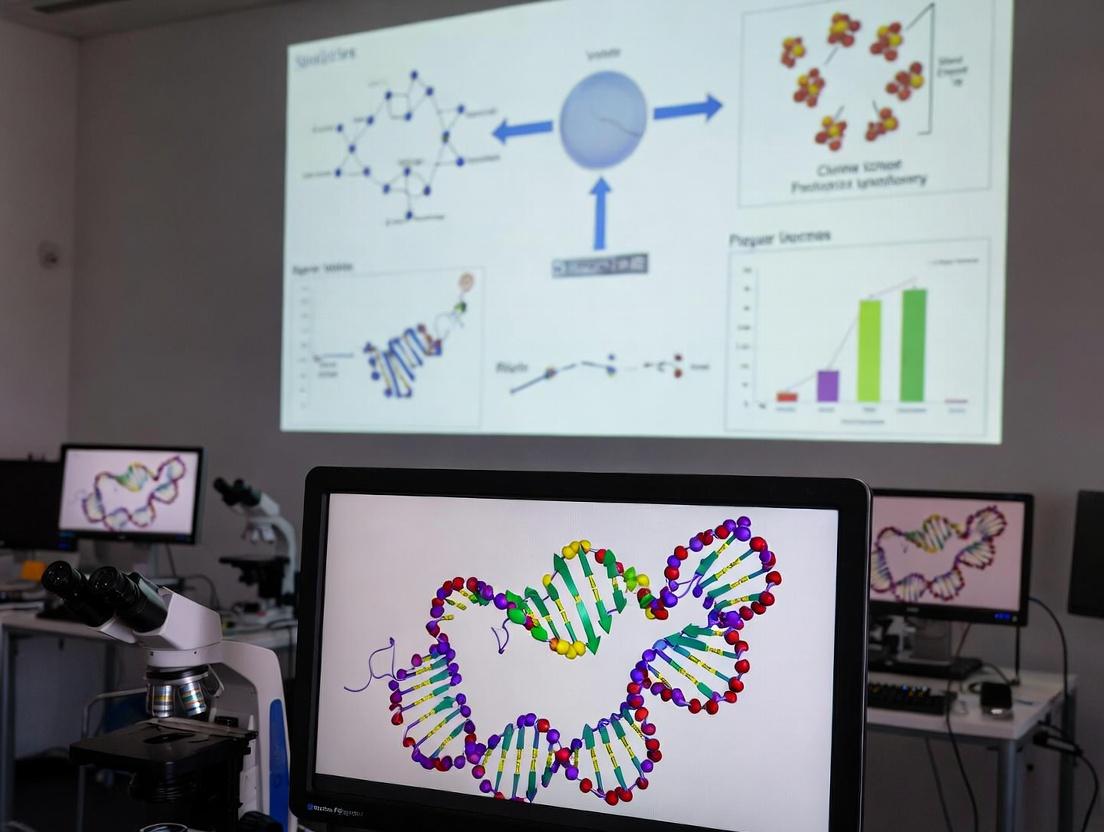
This article synthesizes key findings and methodologies from a recent workshop on the Ecological Genome Project (ECGP) held at the Brocher Foundation.
Decoding Environmental Health: Insights from the Ecological Genome Project Workshop at Brocher Foundation
Abstract
This article synthesizes key findings and methodologies from a recent workshop on the Ecological Genome Project (ECGP) held at the Brocher Foundation. Targeted at researchers, scientists, and drug development professionals, it explores the foundational principles of exposome research, advanced methodological frameworks for integrating genomic and environmental data, strategies for addressing analytical challenges, and approaches for validating and translating findings into clinical and therapeutic applications. The piece provides a comprehensive roadmap for advancing precision medicine through a deeper understanding of gene-environment interactions.
What is the Ecological Genome Project? Defining the Exposome and Its Role in Precision Medicine
The Brocher Foundation as a Nexus for Bioethical and Scientific Discourse
The Brocher Foundation, located on the shores of Lake Geneva, Switzerland, operates as a unique residential research center. It is dedicated to the ethical, legal, and social implications (ELSI) of medical and scientific progress. Within the context of the broader Ecological Genome Project (EGP)—an initiative examining genomic variation in natural populations to understand adaptation—the Brocher Foundation provides the critical intellectual and ethical scaffolding. Workshops hosted at the Foundation, such as those on "Ethical Sampling Frameworks for Global Biodiversity Genomics" or "Benefit-Sharing Models for Genetic Resources," are not ancillary discussions but core operational components that shape equitable and scientifically robust research protocols. This whitepaper details how the Foundation functions as a nexus, translating bioethical discourse into actionable scientific frameworks, with a focus on applications in drug discovery from natural genetic resources.
Quantitative Analysis of Brocher Foundation's Impact on Bioethical-Scientific Interfaces
The Foundation's role can be quantified through its residency programs, workshop outputs, and subsequent research directions. The following tables summarize key metrics.
Table 1: Brocher Foundation Workshop Outputs Related to Genomic Research (2020-2023)
| Workshop Theme | Participating Disciplines | Primary Output | Subsequent Peer-Reviewed Publications |
|---|---|---|---|
| Ethical Priorities in Microbial Genomics | Bioethics, Microbiology, International Law | The "Hermance Principles" for equitable microbiome research | 8 |
| Digital Sequence Information & Biodiversity | Genomics, IP Law, Policy | Policy brief for the Convention on Biological Diversity (CBD) | 12 |
| Community Engagement in Human Genomic Diversity Studies | Anthropology, Genetics, Public Health | A validated toolkit for longitudinal community partnership | 5 |
| Benefit-Sharing in Drug Discovery from Genetic Resources | Pharmaceutical R&D, Ethnobotany, Ethics | Model Material Transfer Agreement (MTA) templates | 6 |
Table 2: Citation Impact of Brocher-Affiliated Bioethics Research in Scientific Literature
| Metric | Value (5-Year Average) | Comparison to Field Average |
|---|---|---|
| Average Citations per Paper | 18.7 | +45% |
| H-index of Resident Alumni (Aggregate) | 142 | N/A |
| % of Papers in Top 10% Journals by CiteScore | 32% | +8% |
Core Methodological Protocols: From Ethical Frameworks to Experimental Design
The nexus function is most evident in the translation of workshop consensus into concrete research methodologies. Below is a protocol developed from a Brocher workshop on ethical sourcing for the Ecological Genome Project.
Protocol: Ethically-Guided Bioprospecting and Metagenomic Sequencing for Drug Lead Discovery
I. Pre-Sampling Ethical & Legal Framework
- Access and Benefit-Sharing (ABS) Agreement: Prior to field work, negotiate an ABS agreement consistent with the Nagoya Protocol. Key elements must include:
- Prior Informed Consent (PIC): Documented consent from relevant national authorities and local communities.
- Mutually Agreed Terms (MAT): Clearly defined terms for benefit-sharing (e.g., milestone payments, royalties, capacity building).
- Use of Digital Sequence Information (DSI): Explicit terms governing the use of genomic data derived from physical samples.
- Community Engagement Plan: Develop a plan for ongoing dialogue with local stakeholders, including reporting of findings and participatory research roles where requested.
II. Field Sampling & Metadata Collection
- Sample Collection: Collect environmental samples (soil, water, plant tissue) using sterile techniques. Triplicate samples are recommended.
- Contextual Metadata: Record exhaustive metadata, including:
- GPS coordinates, habitat description, physicochemical parameters (pH, temperature).
- Ethnobotanical or ethnomedicinal data associated with the sampling site, with explicit attribution.
- Photographic documentation of the site and collection process.
III. Laboratory Processing & Sequencing
- DNA Extraction: Use a standardized kit (e.g., DNeasy PowerSoil Pro Kit) to ensure reproducibility and minimize bias.
- Metagenomic Library Preparation: Prepare sequencing libraries targeting variable regions of marker genes (e.g., 16S rRNA for bacteria, ITS for fungi) or employ shotgun metagenomic approaches for functional gene discovery.
- PCR Conditions: Use primers with overhang adapters. Cycling: 95°C for 3 min; 25 cycles of (95°C for 30s, 55°C for 30s, 72°C for 30s); final extension 72°C for 5 min.
- High-Throughput Sequencing: Perform paired-end sequencing (2x300bp) on an Illumina MiSeq or NovaSeq platform.
IV. Bioinformatic & Functional Analysis
- Data Processing: Use QIIME 2 or mothur for amplicon data. For shotgun data, process via Trimmomatic, Megahit, and MetaGeneMark for quality control, assembly, and gene prediction.
- Taxonomic & Functional Assignment: Assign taxonomy using SILVA or GTDB databases. Predict functional potential via KEGG or antiSMASH (for biosynthetic gene clusters).
- Target Identification: Prioritize biosynthetic gene clusters (BGCs) involved in secondary metabolite production (e.g., non-ribosomal peptide synthetases (NRPS), polyketide synthases (PKS)).
- Heterologous Expression: Clone predicted BGCs into expression vectors (e.g., BAC libraries) and express in suitable host systems (e.g., Streptomyces coelicolor) for compound isolation and bioactivity testing.
Visualizing the Nexus: Pathways and Workflows
The Scientist's Toolkit: Key Research Reagent Solutions
Table 3: Essential Reagents & Materials for Ethically-Sourced Metagenomic Drug Discovery
| Item / Solution | Supplier Examples | Function & Rationale |
|---|---|---|
| DNeasy PowerSoil Pro Kit | QIAGEN | Gold-standard for high-yield, inhibitor-free genomic DNA extraction from complex environmental samples. Ensures reproducible sequencing input. |
| KAPA HiFi HotStart ReadyMix | Roche | High-fidelity PCR enzyme mix for accurate amplification of target genes (e.g., 16S, ITS) or BGC regions with minimal bias. |
| Illumina DNA Prep Kits | Illumina | Streamlined library preparation with bead-based normalization, enabling high-quality NGS library construction for metagenomics. |
| pCC1BAC or pJAZZ-OK Vectors | CopyControl or Lucigen | Bacterial Artificial Chromosome (BAC) vectors for cloning large (>100 kb) biosynthetic gene clusters for heterologous expression. |
| Streptomyces Expression Hosts (e.g., S. coelicolor M1152) | Public Repositories (e.g., ARS Culture Collection) | Genetically engineered Streptomyces hosts with streamlined backgrounds for high-yield expression of cloned secondary metabolite BGCs. |
| Standardized MTA Templates | Brocher Foundation Workshop Outputs | Legally-vetted contract templates that operationalize ethical principles (PIC, MAT, DSI) into enforceable research agreements. |
The contemporary biomedical research paradigm is undergoing a fundamental transformation. While the genome provides a critical blueprint, it alone cannot explain the complex etiology of most chronic diseases. This recognition, crystallized in workshops such as those held at the Brocher Foundation under the aegis of the broader Ecological Genome Project thesis, champions a shift towards the exposome—the totality of environmental exposures (including lifestyle, diet, stress, and pollutants) from conception onward. This whitepaper provides a technical guide to this paradigm shift, detailing its rationale, measurement strategies, and integration with genomic data.
The Exposome Concept and Measurement Tiers
The exposome is conceptualized across three broad, overlapping domains:
- Internal Environment: Processes and metabolites within the body (e.g., inflammation, oxidative stress, gut microbiome metabolism, hormones).
- Specific External Environment: Targeted, measurable external exposures (e.g., chemical pollutants, dietary components, physical activity, infections).
- General External Environment: Broader societal and contextual factors (e.g., socioeconomic status, climate, psychological stress).
Quantitative assessment relies on a multi-platform omics approach, as summarized in the table below.
Table 1: Primary Analytical Platforms for Exposome Assessment
| Platform | Target Analytes | Key Strength | Primary Challenge |
|---|---|---|---|
| High-Resolution Mass Spectrometry (HRMS) | Unknown & known chemicals in biospecimens (serum, urine). | Agnostic, untargeted screening for >10,000 features. | Data complexity; annotation of unknown signals. |
| Metabolomics | Endogenous & exogenous small molecule metabolites. | Direct readout of biochemical activity. | Difficult to distinguish host vs. microbial vs. environmental origin. |
| Proteomics & Adductomics | Protein expression & chemical adducts on proteins (e.g., from reactive chemicals). | Reflects functional biological response & cumulative exposure. | Low-throughput; requires high sample quality. |
| Geographic Information Systems (GIS) | Spatial data (air/water quality, green space, food deserts). | Captures community-level exposures. | Ecological fallacy; difficult to link to individual dose. |
| Wearable & Digital Sensors | Real-time physical activity, heart rate, GPS, air pollutants. | High-temporal resolution, longitudinal data. | Data integration and privacy concerns. |
Core Experimental Protocol: Integrated Exposome-Wide Association Study (ExWAS)
This protocol outlines a systematic approach to link the exposome to health outcomes, analogous to Genome-Wide Association Studies (GWAS).
Protocol: Untargeted HRMS-Based Serum ExWAS for Metabolic Disease Phenotypes
1. Cohort & Sample Selection:
- Select a well-phenotyped cohort (e.g., nested case-control design) with stored serum/plasma samples. Key phenotypes: clinical chemistry, disease incidence.
- Include pre-disease samples for etiological insight.
2. Sample Preparation & Analysis:
- Protein Precipitation: Add 300 µL cold methanol (containing internal standards) to 100 µL serum. Vortex, centrifuge (15,000 x g, 10 min, 4°C).
- LC-HRMS Analysis: Inject supernatant onto a reversed-phase C18 column coupled to a Q-TOF or Orbitrap mass spectrometer.
- Chromatography: Gradient elution with water and acetonitrile (both with 0.1% formic acid). Run time: 15-20 minutes.
- MS Acquisition: Data-Dependent Acquisition (DDA) or better, Data-Independent Acquisition (DIA) mode in both positive and negative electrospray ionization. Mass range: 50-1200 m/z.
3. Data Processing & Annotation:
- Use software (e.g., XCMS, MS-DIAL) for peak picking, alignment, and normalization.
- Generate a feature intensity table (features defined by m/z and retention time).
- Perform level 2-3 annotation (probable structure based on spectral libraries, accurate mass).
4. Statistical Integration & Causal Inference:
- ExWAS: Perform multivariate regression of each exposure feature against the health outcome, adjusting for covariates (age, sex, BMI, genetic principal components). Correct for multiple testing (FDR < 0.2 common for discovery).
- Meet-in-the-Middle Analysis: Identify candidate biomarkers (e.g., metabolites) that are both associated with the exposure and the disease outcome, suggesting a potential mediating pathway.
- Mendelian Randomization: Use genetic variants associated with key exposure biomarkers (e.g., pesticide levels) as instrumental variables to infer causal relationships with disease.
Title: Integrated Exposome Research Workflow
Signaling Pathways in Gene-Environment Interaction
A canonical pathway mediating gene-environment interaction is the Nrf2-Keap1-ARE pathway, a master regulator of antioxidant and cytoprotective responses to electrophilic stressors (e.g., air pollutants, dietary electrophiles).
Title: Nrf2 Pathway Activation by Electrophilic Exposures
The Scientist's Toolkit: Key Research Reagent Solutions
Table 2: Essential Reagents for Exposome-Focused Research
| Reagent / Material | Function in Exposome Research | Key Consideration |
|---|---|---|
| Stable Isotope-Labeled Internal Standards (C13, N15) | Enables precise quantification in HRMS; corrects for matrix effects & ionization efficiency. | Crucial for untargeted quantification; requires a mix covering diverse chemical classes. |
| Bioprofiles (Plasma, Serum) from Disease Cohorts | Provide real-world, pre-disease samples for discovery-phase ExWAS. | Annotation of clinical/demographic data is as critical as sample quality. |
| Commercial & Curated Spectral Libraries (e.g., NIST, MassBank, GNPS) | Essential for Level 1 identification (match to authentic standard) of exposure features. | Libraries for environmental chemicals are less comprehensive than for endogenous metabolomes. |
| Siliconized / Low-Bind Collection Tubes | Minimizes adsorption of hydrophobic exposure chemicals (e.g., PAHs, flame retardants) to tube walls. | Critical for accurate measurement of low-abundance, sticky compounds. |
| Quality Control (QC) Pooled Sample | Created by combining small aliquots of all study samples; injected repeatedly throughout MS sequence. | Monitors instrument stability, enables batch correction, and assesses technical variability. |
| DNA/RNA/Protein Stabilization Buffers (e.g., PAXgene, RNAlater) | Allows multi-omic integration from a single biospecimen by preserving molecular integrity. | Compatibility with downstream HRMS analysis for small molecules must be validated. |
| Validated ELISA or MS Kits for Key Adducts (e.g., C-reactive protein, 8-oxo-dG) | Targeted, high-throughput measurement of specific exposure-related biomarkers (inflammation, oxidative DNA damage). | Provides bridge between untargeted discovery and targeted validation. |
This whitepaper details the core objectives and technical framework of the Ecological Genome Project (EGP) Workshop, held under the auspices of the Brocher Foundation. The workshop's central thesis posits that a holistic, ecological understanding of host-microbiome-vironment interactions is imperative for the next generation of therapeutics. It moves beyond reductionist models to frame human health as a complex, dynamic ecosystem. The Brocher Foundation research context provides an interdisciplinary nexus, bridging molecular biology, computational ecology, clinical medicine, and ethical policy to translate ecological genome principles into actionable drug development pipelines.
Core Technical Objectives: A Tripartite Framework
The workshop established three primary technical objectives to operationalize its thesis.
Objective 1: Standardize Multi-Omic Data Acquisition from Complex Ecosystems. Develop and validate reproducible protocols for simultaneous genomic, transcriptomic, metabolomic, and proteomic profiling from longitudinal human cohort samples, with stringent environmental metadata capture.
Objective 2: Develop Novel Computational Models for Ecological Network Inference. Create and benchmark algorithms capable of inferring causal, dynamic interactions within host-microbiome-environment networks, moving beyond correlative analysis.
Objective 3: Establish Translational Pipelines for Ecologically-Informed Therapeutic Discovery. Define pathways to identify keystone species, critical metabolites, or community functions as high-value targets for intervention (e.g., probiotics, prebiotics, or small molecules).
The following tables summarize key quantitative findings from the workshop's state-of-the-field analysis.
Table 1: Multi-Omic Data Integration Challenges in Current Studies
| Metric | Typical Human Microbiome Study (Pre-2023) | EGP Workshop Recommended Standard |
|---|---|---|
| Cohort Size (n) | 100-500 individuals | >1,000 with longitudinal sampling |
| Longitudinal Sampling Points | 1-3 time points | ≥10 time points per subject |
| Omic Layers Integrated | 2 (e.g., 16S rRNA + Metagenomics) | 4+ (Genomics, Transcriptomics, Metabolomics, Proteomics) |
| Environmental Variables Captured | <10 (e.g., diet, BMI) | >50 (incl. geolocation, climate, built environment) |
| Data Completeness | 65-80% | >95% via protocol harmonization |
Table 2: Performance Benchmarks of Ecological Network Inference Tools
| Algorithm / Tool | Interaction Type Inferred | Accuracy (AUC-ROC) | Computational Cost (CPU-hrs) |
|---|---|---|---|
| SparCC (Baseline) | Correlation | 0.71 | 5 |
| gLV (Generalized Lotka-Volterra) | Directional Influence | 0.68 | 48 |
| MENAP (Microbial Ecological Networks) | Linear Correlation | 0.74 | 10 |
| EGP-Proposed Hybrid ML Model | Causal, Conditional | 0.89 (Preliminary) | 120 |
Experimental Protocols for Key EGP Methodologies
Protocol: Integrated Multi-Omic Sample Processing from Fecal Samples
- Objective: To extract high-quality DNA, RNA, metabolites, and proteins from a single, aliquoted fecal sample for coordinated multi-omic analysis.
- Materials: See Scientist's Toolkit below.
- Procedure:
- Homogenization & Aliquotting: Suspend 2g of fresh fecal material in 10ml of sterile, chilled PBS with 0.1% Tween-20. Homogenize in an anaerobic chamber for 2 mins. Aliquot into 4 x 2ml cryovials for respective omic extractions.
- Parallel Extractions:
- DNA: Use a bead-beating mechanical lysis kit with inhibitors removal (e.g., QIAamp PowerFecal Pro DNA Kit). Elute in 50µL.
- RNA: Use a concurrent lysis and stabilization kit (e.g., RNeasy PowerMicrobiome Kit). Include DNase I step. Elute in 30µL.
- Metabolites: Add 1ml of 80% methanol (-80°C) to aliquot. Vortex, sonicate on ice, centrifuge at 14,000g. Collect supernatant for LC-MS.
- Proteins: Lyse with urea/thiourea buffer, reduce with DTT, alkylate with iodoacetamide. Clean up via methanol-chloroform precipitation.
- QC: DNA/RNA: Bioanalyzer/Fragment Analyzer. Metabolites/Proteins: QC standard spike-in.
Protocol: Longitudinal Ecological Network Inference using gLV with Regularization
- Objective: To infer microbe-microbe and host-microbe interaction strengths from longitudinal abundance data.
- Input: Time-series matrix of taxa abundances (from metagenomics) and host marker concentrations (from metabolomics/proteomics).
- Procedure:
- Data Preprocessing: Normalize abundance data using centered log-ratio (CLR) transformation. Impute missing time points via cubic spline.
- Model Fitting: Solve the generalized Lotka-Volterra equations:
dr_i/dt = r_i * (α_i + Σ_j β_ij * r_j)whereris abundance,αis growth rate,βis interaction matrix. - Regularization: Apply L1 (Lasso) regularization to the
βmatrix to promote sparsity and avoid overfitting. Use 10-fold cross-validation to select the regularization parameter (λ). - Optimization: Use a gradient descent algorithm to minimize the difference between modeled and observed derivative (approximated from finite differences).
- Validation: Compare inferred network topology against known synthetic communities (e.g., in vitro gut models).
Visualization: Pathways and Workflows
EGP Translational Research Pipeline
Title: EGP Translational Research Pipeline from Data to Drug
Host-Microbiome Metabolite Signaling Axis
Title: Host-Microbiome Metabolite Signaling and Feedback Loop
The Scientist's Toolkit: Key Research Reagent Solutions
| Reagent / Material | Supplier Examples | Function in EGP Protocols |
|---|---|---|
| Anaerobe Chamber | Coy Laboratory Products, Baker | Creates oxygen-free environment for sample processing to preserve viability of strict anaerobes during homogenization. |
| Stabilization Buffer (e.g., RNAlater, Zymo DNA/RNA Shield) | Thermo Fisher, Zymo Research | Immediately halts nuclease and microbial activity in aliquoted samples, preserving nucleic acid integrity for multi-omic work. |
| Bead-Beating Lysis Kit (Mechanical & Chemical) | Qiagen, MP Biomedicals | Ensures complete lysis of diverse, tough-to-lyse microbial cells (e.g., Gram-positives, spores) for unbiased DNA/RNA extraction. |
| Internal Standard Spikes (Metabolomics) | Cambridge Isotope Labs, Sigma-Aldrich | Isotope-labeled compounds added pre-extraction to quantify and normalize metabolite recovery and instrument variability. |
| Gnotobiotic Mouse Models | Taconic, Jackson Labs | Defined microbial status (germ-free or defined flora) for causal in vivo validation of ecological network predictions. |
| Human Intestinal Organoid Kits | STEMCELL Technologies, Corning | Provides a physiologically relevant in vitro system for testing host-microbe interactions and therapeutic candidates. |
This whitepaper synthesizes core principles and methodologies from the Brocher Foundation research workshops on the Ecological Genome Project. This initiative posits that human health outcomes are the product of dynamic interactions between genomic susceptibility, population-level epidemiological patterns, and environmental exposures. Disciplinary convergence is not merely beneficial but essential for constructing predictive models of disease etiology and for informing targeted therapeutic development.
Stakeholder Ecosystem and Interdependencies
The convergence requires active collaboration among distinct stakeholder groups, each contributing unique data, tools, and perspectives.
Table 1: Key Stakeholders and Their Primary Contributions
| Stakeholder Group | Primary Data Contribution | Key Tools & Methodologies | Primary Interest in Convergence |
|---|---|---|---|
| Genomic Scientists | High-throughput sequencing data (WGS, WES), epigenetic profiles, functional annotation. | CRISPR screens, GWAS, eQTL mapping, single-cell omics. | Identifying causal variants and biological pathways modulated by environment. |
| Epidemiologists | Population-scale health records, cohort data, incidence/prevalence rates, lifestyle factors. | Longitudinal cohort studies, case-control designs, statistical risk models. | Quantifying population risk attributable to gene-environment interactions (GxE). |
| Environmental Scientists | Geospatial exposure data (air/water quality, toxins), satellite imagery, personal sensor data. | Environmental modeling, remote sensing, mass spectrometry for exposure biomonitoring. | Linking specific environmental stressors to molecular and population health changes. |
| Drug Development Professionals | Pharmacogenomic data, clinical trial results, adverse event reports. | Target discovery platforms, clinical trial design (adaptive, basket trials). | Identifying druggable targets within GxE-influenced pathways and stratifying patient populations. |
| Ethicists & Policy Makers | Ethical frameworks, regulatory guidelines, public trust metrics. | Risk-benefit analysis, policy simulation, participatory research design. | Ensuring equitable research, data privacy, and responsible translation of findings. |
Foundational Experimental Protocols for Convergent Research
Integrated Multi-Omic Cohort Profiling Protocol
Objective: To simultaneously capture genomic, epigenomic, transcriptomic, and exposure data from a defined population cohort. Methodology:
- Cohort Recruitment & Phenotyping: Enroll participants from diverse environmental settings. Collect deep phenotypic data (clinical measures, questionnaires).
- Biospecimen Collection: Obtain blood (for DNA, RNA, serum), urine, and possibly tissue biopsies. Use stabilizing reagents (e.g., PAXgene for RNA, EDTA for plasma).
- Genomic & Epigenomic Analysis:
- Perform Whole Genome Sequencing (WGS) to identify genetic variants.
- Conduct MethylationEPIC array or whole-genome bisulfite sequencing on leukocyte DNA to assess epigenetic modifications.
- Exposomic Analysis:
- Analyze biospecimens using high-resolution mass spectrometry (HRMS) for untargeted detection of exogenous chemicals and metabolic products.
- Integrate geospatial modeling of participants' residential histories with environmental databases (e.g., EPA air quality, satellite land use data).
- Data Integration: Employ multi-modal machine learning (e.g., canonical correlation analysis, joint dimensionality reduction) to identify latent patterns linking exposure features to molecular and health phenotypes.
Functional Validation of GxE Interactions via Organoid Models
Objective: To experimentally validate the mechanistic impact of an environmental stressor on a genetically defined background. Methodology:
- Organoid Derivation: Generate induced pluripotent stem cell (iPSC)-derived organoids (e.g., hepatic, pulmonary, neural) from donors with specific genetic variant profiles (e.g., a susceptibility SNP in a detoxification pathway).
- Controlled Exposure: Treat organoids with a physiologically relevant dose of an environmental contaminant (e.g., PM2.5 components, bisphenol A). Include vehicle controls and dose-response arms.
- High-Content Phenotyping:
- Transcriptomics: Perform single-cell RNA sequencing post-exposure to identify cell-type-specific pathway disruptions.
- Functional Assays: Measure organoid-specific functions (e.g., albumin secretion for liver, ciliary beat for lung).
- Histopathology: Use multiplex immunofluorescence to assess markers of stress, apoptosis, or inflammation.
- Analysis: Compare responses across genetically distinct organoid lines to statistically model the GxE interaction.
Visualizing Convergence: Pathways and Workflows
Diagram Title: The Convergence of Three Disciplinary Domains
Diagram Title: Gene-Environment Interaction in Toxin Metabolism
The Scientist's Toolkit: Essential Research Reagents & Solutions
Table 2: Key Reagent Solutions for Convergent Research
| Item/Category | Example Product(s) | Primary Function in GxE Research |
|---|---|---|
| Stabilized Blood Collection Tubes | PAXgene Blood RNA tubes, Cell-Free DNA BCT tubes | Preserve specific nucleic acid populations in situ at collection, critical for accurate transcriptomic/epigenomic profiling in field studies. |
| High-Throughput Sequencing Kits | Illumina DNA Prep, NovaSeq X Plus, Oxford Nanopore Ligation Kits | Enable scalable WGS, WES, and transcriptome sequencing from diverse sample types for large cohort studies. |
| Methylation Arrays | Illumina Infinium MethylationEPIC v2.0 | Genome-wide profiling of CpG methylation, a key epigenetic modification sensitive to environmental exposures. |
| Mass Spectrometry Standards | Restek SIL-IS Metabolite Mixes, Cambridge Isotope Lab. Labeled Standards | Enable quantification of exogenous chemicals and endogenous metabolites in exposure-wide association studies (ExWAS). |
| iPSC/Organoid Culture Systems | STEMdiff Organoid Kits (Stemcell Tech.), Corning Matrigel Matrix | Provide genetically defined, physiologically relevant human tissue models for functional GxE validation. |
| CRISPR Screening Libraries | Brunello whole-genome KO (Addgene), Perturb-seq focused libraries | Systematically identify genetic modifiers of cellular response to environmental stressors. |
| Geospatial Analysis Software | ArcGIS Pro, QGIS, R sf package |
Integrate and model environmental exposure data (point, raster, vector) with participant location data. |
| Multi-Omic Data Integration Platforms | Terra (Broad/Verily), Galaxy, R/Bioconductor (OmicsLonDA, MOFA) |
Cloud-based or open-source platforms for co-analyzing genomic, exposure, and phenotypic data. |
1. Introduction and Thesis Context
This whitepaper originates from discussions at the Ecological Genome Project workshop held at the Brocher Foundation. The central thesis posits that the classical human genome is a static blueprint insufficient for predicting complex disease etiology and therapeutic response. The "Ecological Genome" is defined as the dynamic, lifetime record of molecular modifications to DNA, RNA, proteins, and metabolites, caused by cumulative environmental exposures (the exposome). This guide details the technical framework for integrating high-resolution exposome data with multi-omics profiling to define this Ecological Genome for transformative applications in precision medicine and drug development.
2. Core Data Dimensions & Quantitative Frameworks
Integrating the exposome requires mapping a multi-scale, longitudinal data architecture. Key quantitative dimensions are summarized below.
Table 1: Core Exposome Domains and Measurement Technologies
| Exposome Domain | Example Metrics | Primary Measurement Technologies | Temporal Granularity |
|---|---|---|---|
| External, General | PM2.5, NO2, Ozone | Satellite遥感, EPA stationary monitors, Personal sensors | Daily to Decadal |
| External, Specific | Pesticides, Plasticizers (e.g., BPA), Pharmaceuticals | LC-MS/MS, GC-MS of biospecimens (serum, urine) | Episodic to Chronic |
| Internal, Biochemical | Oxidative stress (8-OHdG), Inflammation (CRP), Metabolomes | Targeted & untargeted MS, NMR, Immunoassays | Momentary to Integrated |
| Internal, Epigenomic | DNA methylation (e.g., Horvath clock, EHMs), Chromatin accessibility | Bisulfite-seq, ATAC-seq, ChIP-seq | Stable marks, dynamic shifts |
Table 2: Multi-Omics Layers of the Ecological Genome
| Omics Layer | Analytical Platform | Key Integration Metric | Association with Exposome |
|---|---|---|---|
| Genome | Whole-Genome Sequencing | Polygenic Risk Scores (PRS) | Modifier of exposure effect (GxE) |
| Epigenome | Whole-Genome Bisulfite Sequencing | Differential Methylation Regions (DMRs), Epigenetic Age Acceleration | Direct molecular embedding of exposure |
| Transcriptome | RNA-Seq, Single-Cell RNA-Seq | Differential Gene Expression, Network Perturbation | Acute & adaptive response signature |
| Proteome & Metabolome | LC-MS/MS, SOMAscan | Pathway Flux Analysis, Metabolite Set Enrichment | Functional phenotyping of exposure impact |
3. Experimental Protocols for Ecological Genome Mapping
Protocol 1: Longitudinal Personal Exposome Monitoring & Biospecimen Collection Objective: To capture high-resolution external and internal exposome data paired with serial biospecimens.
- Participant Recruitment: Enroll cohort (e.g., n=500) with baseline genomic characterization (WGS).
- Sensor Deployment: Equip participants with wearable sensors (GPS, activity, heart rate) and portable air monitors for 14-day tracking epochs, repeated annually.
- Biospecimen Collection: Collect pre- and post-epoch biospecimens: blood (for plasma, PBMCs), urine, toenails. Process within 2 hours (plasma separation, PBMC cryopreservation).
- Biochemical Assays: Analyze urine for organophosphate metabolites (e.g., dialkyl phosphates via GC-MS) and plasma for persistent organic pollutants (POPs via LC-MS/MS).
- Geospatial Linking: Use GPS data to link individual locations to spatiotemporal environmental databases (e.g., land use, traffic density).
Protocol 2: Multi-Omics Profiling from Serial PBMCs Objective: To derive Ecological Genome biomarkers from immune cells reflective of cumulative exposure.
- Nucleic Acid Extraction: From cryopreserved PBMCs, extract gDNA (for epigenomics) and total RNA (for transcriptomics) using automated systems (e.g., QIAsymphony).
- Library Preparation & Sequencing:
- DNA Methylation: Process 500ng gDNA with the Illumina Infinium MethylationEPIC v2.0 BeadChip or for whole-methylome, perform bisulfite conversion followed by library prep for NovaSeq sequencing.
- Transcriptome: Prepare stranded mRNA-seq libraries (Illumina TruSeq) and sequence to a depth of 30M paired-end reads per sample on NovaSeq.
- Bioinformatic Analysis:
- Methylation: Process IDAT files with
minfi(R). DMRs identified viaDSS. Calculate epigenetic age using theDNAmAgepackage. - RNA-Seq: Align reads to reference genome (STAR), quantify gene expression (featureCounts), and perform differential expression analysis (DESeq2). Conduct weighted gene co-expression network analysis (WGCNA) to identify modules associated with exposure variables.
- Methylation: Process IDAT files with
4. Visualizing Signaling Pathways and Workflows
Title: Exposure-Induced Signaling to Ecological Genome
Title: Ecological Genome Mapping Workflow
5. The Scientist's Toolkit: Research Reagent Solutions
Table 3: Essential Reagents & Kits for Ecological Genome Research
| Item | Supplier Examples | Function in Protocol |
|---|---|---|
| PAXgene Blood RNA Tubes | Qiagen, BD | Stabilizes intracellular RNA profile at point of blood draw for accurate transcriptomics. |
| Infinium MethylationEPIC v2.0 Kit | Illumina | Genome-wide profiling of >935,000 CpG sites for epigenomic exposure embedding. |
| MagMAX Total Nucleic Acid Isolation Kit | Thermo Fisher | Simultaneous purification of high-quality gDNA and total RNA from single biospecimen. |
| SOMAscan Assay Kit | SomaLogic | High-throughput proteomic profiling (>7,000 proteins) for biomarker discovery. |
| HDAC/DNMT Activity Assay Kits | Cayman Chemical, Abcam | Functional assessment of epigenetic enzyme activity changes in response to exposures. |
| Covaris sonication system & TruSeq ChIP Library Prep Kit | Covaris, Illumina | For ATAC-seq or ChIP-seq library prep to assess chromatin accessibility changes. |
| Mass Spectrometry-grade solvents & columns | Fisher Chemical, Waters | Critical for reproducible LC-MS/MS analysis of environmental toxicants and metabolites. |
How to Map the Exposome: Methodologies and Computational Tools for Integrative Analysis
This technical guide, framed within the context of the Ecological Genome Project workshop hosted at the Brocher Foundation, details the core technologies enabling high-throughput exposomics. The field seeks to comprehensively measure the totality of human environmental exposures (the exposome) across the lifespan and correlate them with biological responses, bridging the gap between genomics and disease etiology for researchers and drug development professionals.
Core Technological Pillars for Exposure Capture
External Exposure Assessment Technologies
Technologies for capturing the external exposome focus on environmental monitoring and personal sensors.
Table 1: Technologies for External Exposure Assessment
| Technology | Throughput Capability | Measured Agents | Key Metric/Resolution |
|---|---|---|---|
| Stationary Ambient Monitors | High (Continuous, Multi-location) | Criteria air pollutants (PM2.5, O3), VOCs | µg/m³, temporal resolution: 1 min - 1 hour |
| Personal Wearable Sensors | Medium-High (Individual-level) | PM2.5, NO2, UV, Noise, Location | Real-time, geospatially tagged |
| Silicone Wristbands | High (Passive sampling) | Semi-volatile organic compounds (SVOCs) | Integrated exposure over days-weeks |
| GPS & Activity Loggers | High | Micro-environment location, physical activity | Spatial: ~3-5m, temporal: seconds |
| Satellite Remote Sensing | Very High (Population-level) | PM2.5, NO2, Greenness, Land Use | Spatial: 1km², Temporal: Daily |
Internal Exposure Assessment Technologies
Internal exposure is quantified via high-resolution mass spectrometry (HRMS) applied to biospecimens.
Table 2: Analytical Platforms for Internal Exposure Biomarkers
| Platform | Analytes Detected | Throughput (Samples/Day) | Sensitivity | Key Advantage |
|---|---|---|---|---|
| LC-HRMS (Orbitrap/Q-TOF) | Untargeted: >10,000 features; Targeted: 100s of compounds | 50-150 | ppt-ppb | Broad chemical coverage, high mass accuracy |
| GCxGC-TOFMS | Volatile/Semi-volatile organics | 30-60 | ppb-ppt | Enhanced peak capacity for complex mixtures |
| ICP-MS | Trace elements & metals | 200+ | ppt | Exceptional sensitivity for metals |
| Immunoassays (Multiplex) | Specific protein adducts (e.g., Cys34 adducts) | 1000+ | Variable | High-throughput, cost-effective for targeted panels |
Detailed Experimental Protocols
Protocol for Untargeted HRMS Analysis of Serum for Exposomics
Objective: To broadly characterize endogenous metabolites and exogenous chemicals in human serum.
Materials & Reagents:
- Serum samples (stored at -80°C)
- Internal standards: e.g., isotopically labeled amino acids, pharmaceuticals
- Solvents: LC-MS grade methanol, acetonitrile, water, formic acid
- 96-well protein precipitation plates (e.g., Agilent Captiva)
- UHPLC system coupled to Q-Exactive HF Orbitrap or similar
- Data processing software (e.g., Compound Discoverer, XCMS Online)
Procedure:
- Sample Preparation (4°C): Thaw serum on ice. Aliquot 50 µL into a 96-well plate.
- Protein Precipitation: Add 150 µL of cold methanol containing internal standards. Vortex 2 min, incubate at -20°C for 1 hour.
- Centrifugation: Centrifuge at 4000 x g for 20 min at 4°C.
- Supernatant Transfer: Transfer 150 µL of supernatant to a new 96-well analytical plate. Dry under nitrogen stream at 37°C.
- Reconstitution: Reconstitute in 50 µL of 5% methanol/water with 0.1% formic acid. Vortex 5 min.
- LC-HRMS Analysis:
- Column: C18 column (2.1 x 100 mm, 1.7 µm)
- Gradient: 5% to 100% B over 18 min (A: water/0.1% FA, B: ACN/0.1% FA)
- MS: Full scan at 120,000 resolution (m/z 70-1050) in positive and negative ESI modes. Data-dependent MS/MS (Top 10) at 30,000 resolution.
- Data Processing: Align peaks, perform compound annotation using mzCloud/GnPS databases, and perform statistical analysis.
Protocol for Personal External Exposure Monitoring with Silicone Wristbands
Objective: To capture personal exposure to semi-volatile organic compounds (SVOCs).
Materials:
- Pre-cleaned silicone wristbands (e.g., 3M Tegaderm)
- Portable wristband holder
- Field blanks
- Solvents: Ethyl acetate, methanol (pesticide grade)
- GC-MS/MS system
Procedure:
- Pre-Deployment: Store cleaned wristbands in sealed, solvent-rinsed containers.
- Deployment: Participant wears wristband for 7 days. Record activity diary.
- Recovery: Place wristband in original container. Store at -20°C until extraction.
- Extraction: Cut wristband into pieces. Soxhlet extract with ethyl acetate for 18 hours.
- Concentration: Concentrate extract under gentle nitrogen to 1 mL.
- Clean-up: Pass through silica solid-phase extraction cartridge.
- Analysis: Analyze via GC-MS/MS in multiple reaction monitoring (MRM) mode against a 1,500+ compound library.
Signaling Pathways in Exposure-Response
Title: General Exposure-Response Adverse Outcome Pathway (AOP) Framework
Title: AhR Signaling Pathway Upon Xenobiotic Exposure
Integrated Exposomics Workflow
Title: High-Throughput Exposomics Integrated Workflow
The Scientist's Toolkit: Key Research Reagent Solutions
Table 3: Essential Materials for High-Throughput Exposomics Studies
| Item | Function in Exposomics | Example Vendor/Product |
|---|---|---|
| Silicone Wristbands | Passive samplers for personal SVOC exposure assessment; lipophilic matrix accumulates chemicals. | 3M Tegaderm, Empore SDB-RPS Strips |
| Stable Isotope-Labeled Internal Standards | Critical for quantitative HRMS; corrects for matrix effects & extraction variability. | Cambridge Isotope Laboratories (CIL), ISOtopic Solutions |
| Multi-analyte Calibration Mix | Calibration for targeted quantitation of hundreds of environmental chemicals in biospecimens. | Wellington Laboratories, AccuStandard |
| Protein Precipitation Plates (96/384-well) | Enables high-throughput sample preparation for serum/plasma metabolomics and exposomics. | Agilent Captiva, Waters Ostro |
| HILIC & C18 UHPLC Columns | Complementary chromatographic separation for polar and non-polar exposome compounds. | Waters Acquity BEH C18, Phenomenex Luna NH2 |
| Comprehensive MS/MS Libraries | Annotation of unknown HRMS features from chemical exposure. | mzCloud, NIST20, MassBank of North America (MoNA) |
| Cytokine & Adduct Multiplex Assay Kits | High-throughput screening of protein adducts (e.g., Cys34) and inflammatory response. | Luminex xMAP kits, Olink Proteomics |
| DNA/RNA Stabilization Tubes | Preserve biospecimens for subsequent transcriptomic/epigenomic analysis in the field. | PAXgene, Tempus |
| Geospatial Data Processing Software | Integrates GPS and sensor data with environmental databases for exposure modeling. | ESRI ArcGIS, R sf package |
This whitepaper, framed within the broader research thesis of the Ecological Genome Project workshop at the Brocher Foundation, addresses the critical technical challenge of multi-omics data integration. The project's core aim is to move beyond the genome to understand how environmental exposures (the exposome) interact with genomic and epigenomic layers to influence human health and disease. Developing robust frameworks to merge these heterogeneous, high-dimensional datasets is a fundamental prerequisite for generating actionable, systems-level biological insights applicable to precision medicine and drug development.
Core Data Types and Quantitative Characteristics
The integration framework must account for the distinct scales, formats, and biological meanings of each data layer.
Table 1: Core Datatype Characteristics for Integration
| Data Layer | Typical Data Formats & Sources | Key Quantitative Metrics | Temporal Dynamics | Primary Challenge for Integration |
|---|---|---|---|---|
| Genomic | FASTQ, BAM, VCF; WGS, WES, SNP arrays. | ~3 billion bases (WGS); 5-10 million variants/individual; Coverage depth (30x-100x). | Static (germline) or Somatic (acquired). | Handling large file sizes; distinguishing pathogenic from benign variants. |
| Epigenomic | FASTQ, BAM, bedGraph, bigWig; ChIP-seq, ATAC-seq, WGBS, RRBS. | ChIP-seq peak counts (10^4-10^5); Methylation beta-values (0-1) at ~28M CpG sites; Chromatin accessibility peaks. | Dynamic, tissue-specific, influenced by environment & development. | Cellular heterogeneity correction; batch effect normalization across assays. |
| Exposomic | CSV, XML, RDF; Metabolomics (LC-MS), Proteomics, Geospatial data, Surveys, Wearable sensor data. | 1000s of metabolites/chemicals; Concentrations (nM-µM); Geospatial coordinates; Temporal exposure windows. | Highly dynamic (diurnal, seasonal, lifelong). | Extreme heterogeneity; missing data; establishing temporal causality. |
Foundational Integration Frameworks and Methodologies
Conceptual Integration Workflow
Diagram 1: Multi-Omics Data Integration Conceptual Workflow
Detailed Experimental Protocol for a Multi-Omic Cohort Study
Protocol Title: Integrated Profiling of Genotype, DNA Methylation, and Serum Metabolome in a Longitudinal Cohort.
Step 1: Sample Collection & Metadata Annotation.
- Collect peripheral blood mononuclear cells (PBMCs) and serum from participants at baseline and follow-up (e.g., yearly).
- Annotate with extensive exposome metadata using standardized tools (e.g., ExpoCaptur, HELIX questionnaires) capturing diet, chemicals, lifestyle, geospatial data.
Step 2: Genomic Data Generation (DNA from PBMCs).
- Perform Whole Genome Sequencing (WGS) using a platform like Illumina NovaSeq X Plus.
- Library Prep: Use PCR-free library preparation kits (e.g., Illumina DNA Prep) to minimize bias.
- Sequencing: Target 30x coverage. Use SBS chemistry. Output: Paired-end FASTQ files.
- Variant Calling: Align to GRCh38 reference with BWA-MEM. Call SNPs/Indels using GATK Best Practices pipeline (HaplotypeCaller). Annotate with SnpEff/ANNOVAR.
Step 3: Epigenomic Data Generation (DNA from PBMCs).
- Perform Whole Genome Bisulfite Sequencing (WGBS) for methylome.
- Bisulfite Conversion: Use EZ DNA Methylation-Gold Kit (Zymo Research) with >99% conversion efficiency.
- Library Prep & Sequencing: Use post-bisulfite adapter tagging method. Sequence on Illumina platform to ~30x coverage.
- Data Processing: Use Bismark for alignment and methylation extraction. Calculate beta-values per CpG site.
Step 4: Exposomic Data Generation (Serum).
- Perform Untargeted Metabolomics via Liquid Chromatography-Mass Spectrometry (LC-MS).
- Sample Prep: Precipitate proteins with cold methanol/acetonitrile. Use internal standards.
- LC-MS Analysis: Use reversed-phase and HILIC chromatography coupled to a high-resolution Q-TOF mass spectrometer (e.g., Agilent 6546).
- Feature Detection: Use XCMS, MS-DIAL for peak picking, alignment, and annotation against databases (HMDB, METLIN).
Step 5: Data Integration Analysis.
- Preprocessing/Normalization: Genotype QC (call rate >98%, MAF >1%). Methylation: BMIQ normalization, removal of probes with SNPs. Metabolomics: PQN normalization, log-transformation.
- Multi-Omics Association Study: Use multivariate methods like Multi-Omics Factor Analysis (MOFA+) to identify latent factors driving variation across all data types.
- Methylation Quantitative Trait Locus (meQTL) Mapping: Regress methylation beta-values at each CpG against nearby SNPs, adjusting for cell counts (estimated from methylation data) and technical covariates.
- Exposure-Wide Association Study (ExWAS) & Integration: Regress metabolite levels against exposures, then link significant metabolites to genomic/epigenomic features via correlation or mediation analysis (e.g., using
limma,metaMExR packages).
Key Signaling Pathways in Gene-Environment Interaction
Diagram 2: Gene-Environment Interaction Signaling Pathway
The Scientist's Toolkit: Essential Research Reagents & Solutions
Table 2: Key Reagents and Tools for Multi-Omic Integration Studies
| Item Category | Specific Product/Kit (Example) | Function in Integration Workflow |
|---|---|---|
| Nucleic Acid Isolation | QIAamp DNA Blood Maxi Kit (Qiagen), MagMAX Total Nucleic Acid Kit (Thermo Fisher) | High-quality, co-extraction of DNA/RNA from same sample for genomic/epigenomic/transcriptomic layers. |
| Bisulfite Conversion | EZ DNA Methylation-Direct Kit (Zymo Research) | Efficient conversion of unmethylated cytosines to uracil for WGBS or EPIC array analysis. |
| Library Prep (WGS) | Illumina DNA Prep | PCR-free library preparation for whole-genome sequencing, minimizing amplification bias. |
| Library Prep (Multiplex) | IDT for Illumina - UDI Indexes | Unique dual indexes to minimize index hopping and enable large-scale cohort multiplexing. |
| Metabolite Extraction | Methanol, Acetonitrile (LC-MS Grade), Internal Standard Mix (e.g., CAMAG) | Protein precipitation and standardization for reproducible untargeted metabolomics. |
| Cell Deconvolution | MethylCIBERSORT, EpiDISH (BioConductor R packages) | Computational tool to estimate cell-type proportions from bulk methylation data (critical covariate). |
| Integration Software | MOFA+ (Python/R), mixOmics (R), Galaxy-P | Statistical frameworks for unsupervised and supervised integration of heterogeneous datasets. |
| Cloud Analysis Platform | Terra (Broad/Verily), Seven Bridges | Scalable, reproducible cloud environments for processing large multi-omics cohorts. |
Computational Models for Assessing Gene-Environment Interaction (GxE) Networks
1. Introduction: Framing within the Ecological Genome Project This technical guide synthesizes core methodologies and frameworks developed and debated during the "Ecological Genome Project" workshop hosted at the Brocher Foundation. The workshop's central thesis posits that human disease arises not from static genetic blueprints but from dynamic, time-sensitive interactions between an individual's genome and a multi-layered "exposome"—encompassing chemical, physical, social, and internal biological environments. This document provides an in-depth examination of the computational models essential for moving from theoretical GxE concepts to quantifiable, predictive network biology, directly informing targeted drug development and personalized therapeutic strategies.
2. Foundational Data Types and Sources for GxE Modeling Effective GxE network assessment requires the integration of heterogeneous, high-dimensional data streams. The table below summarizes the core quantitative data types.
Table 1: Core Data Types for GxE Network Construction
| Data Type | Description | Typical Scale/Dimension | Primary Source |
|---|---|---|---|
| Genomic | SNP arrays, Whole Genome Sequencing (WGS), expression QTLs (eQTLs). | 10^6 - 10^9 variants; 10^4 - 10^5 transcripts. | Cohorts (e.g., UK Biobank, All of Us), case-control studies. |
| Exposomic | External (air pollutants, chemicals), internal (metabolites, cytokines), general (socioeconomic status). | 10^2 - 10^5 exposures measured over time. | Sensor data, mass spectrometry, epidemiological surveys. |
| Phenotypic | Clinical traits, disease endpoints, intermediate biomarkers (e.g., HbA1c, imaging). | 10^1 - 10^3 traits, often longitudinal. | Electronic health records, clinical trials, dedicated assessments. |
| Interactomic | Protein-protein interaction (PPI) networks, signaling pathways, regulons. | 10^4 - 10^5 nodes (proteins/genes). | Public databases (STRING, KEGG, Reactome). |
3. Core Computational Methodologies and Experimental Protocols
3.1. Multi-Omics Data Integration and Preprocessing Protocol
- Objective: Harmonize disparate data types into a unified analysis-ready matrix.
- Workflow:
- Normalization: Apply variance-stabilizing transformation (e.g., VST for RNA-seq) or quantile normalization across samples for each omics layer.
- Batch Effect Correction: Use ComBat or its derivatives (e.g., ComBat-seq for count data) to remove technical artifacts unrelated to biology.
- Missing Value Imputation: For exposomic/metabolomic data, use methods like missForest (random forest-based) or SVD-based imputation.
- Feature Reduction: Apply Partial Least Squares (PLS) or Multivariate Autoencoders to reduce dimensionality while preserving covariance structure between genomic (G) and exposomic (E) layers.
- Temporal Alignment: For longitudinal data, employ dynamic time warping or mixed-effects models to align trajectories across individuals.
Diagram 1: Multi-Omics Data Integration Pipeline
3.2. Network-Based GxE Interaction Detection (N-GEDI) Protocol
- Objective: Identify genes whose interaction partners are significantly perturbed by specific environmental factors.
- Workflow:
- Background Network Construction: Compile a tissue-relevant Protein-Protein Interaction (PPI) network from curated databases (STRING, BioGRID).
- Differential Networking: For a given environmental stratum (e.g., high vs. low pollutant exposure), compute gene co-expression networks separately for each group using weighted gene correlation network analysis (WGCNA).
- Module Alignment & Comparison: Align modules from the two networks using consensus clustering. Calculate the Interaction Impact Score (IIS) for each gene i:
IIS_i = Σ_j |ρ_ij(E_high) - ρ_ij(E_low)| * Centrality_jwhere ρij is the correlation between genes i and j, and Centralityj is the betweenness centrality of gene j in the background PPI. - Statistical Significance: Perform permutation testing (≥1000 permutations) of group labels to generate a null distribution of IIS for each gene. FDR-corrected p-values < 0.05 denote significant GxE network drivers.
Diagram 2: Network-Based GxE Detection (N-GEDI) Workflow
4. The Scientist's Toolkit: Research Reagent Solutions
Table 2: Essential Tools for GxE Network Research
| Tool/Reagent | Category | Function in GxE Studies |
|---|---|---|
| UK Biobank PHESANT | Software Pipeline | Processes and phenotypes thousands of complex traits from UK Biobank data, creating standardized exposomic and phenotypic variables for analysis. |
| All of Us Researcher Workbench | Data Platform | Provides cloud-based access to a diverse, longitudinal dataset integrating genomic, electronic health record, and survey-based exposomic data. |
| Illumina Global Screening Array | Genotyping Array | A cost-effective SNP array for large-scale cohort genotyping, essential for GWAS and GxE screening in population studies. |
| Metabolon HD4 | Metabolomics Platform | Provides untargeted metabolomic profiling, quantifying thousands of endogenous and exogenous metabolites to define the internal chemical exposome. |
| Cell Painting Assay Kits | Phenotypic Screening | Multiplexed fluorescence imaging assay that profiles morphological cell responses to genetic or environmental perturbations, quantifying cellular phenotype. |
| SIMON (Sequential Iterative Modeling "OverNight") | R Package | An automated machine learning framework designed for exploratory analysis of complex interaction models, including GxE, in omics data. |
| PathFX | Software Tool | Maps drugs or environmental chemicals to their affected human pathways via text-mined chemical-protein interactions, linking exposures to biological networks. |
5. Advanced Models: Mechanistic and Causal Inference Beyond detection, causal GxE models are crucial. Mediation Neural Networks extend traditional mediation analysis to model non-linear pathways: Phenotype ≈ f( G + E + M(G,E) ), where M represents a hidden layer of latent mediators (e.g., epigenetic marks, proteins). Twin-based Difference-in-Differences models leverage discordant monozygotic twins as a natural controlled experiment to isolate causal environmental effects on gene modules, controlling for shared genetics and early environment.
6. Validation and Translational Application Computational predictions require in vitro validation. A standard protocol involves:
- CRISPRa/i Perturbation: Overexpress or inhibit a predicted GxE driver gene in an appropriate cell line (e.g., hepatic HepG2 for toxicant studies).
- Environmental Challenge: Expose isogenic perturbed and control cells to a gradient of the environmental factor (e.g., PM2.5, high glucose).
- High-Content Phenotyping: Use Cell Painting or transcriptomic profiling to generate a multidimensional phenotypic vector.
- Network Validation: Compute if the perturbation significantly alters the network topology (e.g., module eigengene expression) in response to E, confirming the computational GxE prediction. This pipeline directly identifies druggable nodes within GxE networks for therapeutic intervention.
This whitepaper, framed within the context of the Ecological Genome Project's Brocher Foundation workshop research, posits that human health is an emergent property of the genome interacting with a dynamic exposome. The thesis advocates for a paradigm shift from targeting static, intrinsic disease pathways to identifying "environment-modifiable targets"—biological nodes whose activity or expression can be predictably altered by specific environmental factors (diet, pollutants, microbiota, lifestyle), offering novel, potentially safer therapeutic avenues.
Conceptual Framework & Target Classes
Environment-modifiable targets are defined by their quantitative response to exogenous cues. Key classes include:
- Xenobiotic-Sensing Receptors: Nuclear receptors (e.g., PXR, CAR, AhR) that directly bind environmental chemicals and regulate detoxification and metabolic pathways.
- Metabolic Integrators: Enzymes and transporters (e.g., SGLT2, AMPK) whose function is coupled to nutrient availability.
- Epigenetic Regulators: Writers, readers, and erasers of DNA and histone modifications (e.g., DNMTs, HDACs, TET enzymes) sensitive to metabolites like S-adenosylmethionine, α-ketoglutarate, and butyrate.
- Microbiota-Dependent Enzymes: Host or microbial enzymes (e.g., bile salt hydrolases, polyamine synthases) that transform host substrates based on microbial community structure.
Quantitative Landscape of Environmental Modulation
The following table summarizes quantitative data from recent studies on candidate modifiable targets.
Table 1: Quantified Environmental Modulation of Candidate Therapeutic Targets
| Target Class | Specific Target | Environmental Modulator | Observed Effect | Magnitude of Change | Associated Disease Context |
|---|---|---|---|---|---|
| Xenobiotic Sensor | Aryl Hydrocarbon Receptor (AhR) | Dietary Indoles (e.g., I3C) | Increased target activation & downstream CYP1A1 expression | ~8-12 fold induction | Inflammatory Bowel Disease |
| Metabolic Integrator | SGLT2 (SLC5A2) | High Dietary Glucose | Increased renal transporter expression & activity | ~2-3 fold upregulation | Type 2 Diabetes |
| Epigenetic Regulator | HDAC3 (Intestinal) | Microbial Short-Chain Fatty Acids (Butyrate) | Inhibition of deacetylase activity, altered histone acetylation (H3K9) | IC50 ~ 0.2-0.5 mM for butyrate | Colorectal Cancer |
| Microbiota-Dependent | Intestinal Bile Salt Hydrolase (BSH) | Probiotic Lactobacillus spp. | Increased bile acid deconjugation, altering host FXR signaling | ~40-60% increase in deconjugated pools | Metabolic Syndrome |
Core Experimental Protocols for Target Identification & Validation
Protocol 3.1: Multi-Omic Profiling for Target Discovery
Aim: Identify transcripts/proteins/metabolites whose levels correlate with specific environmental exposures in human cohorts. Method:
- Cohort Stratification: Recruit matched cohorts with high vs. low exposure (e.g., high-fiber vs. low-fiber diet) using validated questionnaires/biomonitoring.
- Biospecimen Collection: Collect primary tissues (blood, biopsy) or patient-derived cells.
- Multi-Omic Analysis:
- Transcriptomics: Perform total RNA-seq (Illumina NovaSeq). Align reads (STAR), quantify gene expression (featureCounts), and perform differential expression analysis (DESeq2). Significance: adjusted p-value < 0.05, |log2FC| > 1.
- Proteomics: Conduct LC-MS/MS on digested protein lysates (TMT-labeled). Identify/quantify proteins using MaxQuant. Significance: adjusted p-value < 0.05, |log2FC| > 0.5.
- Metabolomics: Perform targeted LC-MS for known metabolites and untargeted LC-MS for discovery.
- Data Integration: Use multi-omics factor analysis (MOFA) to identify latent factors linking exposure to molecular changes. Prioritize molecules central to exposure-associated networks (via WGCNA).
Protocol 3.2: Functional Validation in a Gnotobiotic Mouse Model
Aim: Establish causality between an environmental factor, a microbial metabolite, and a host target. Method:
- Mouse Model: Use germ-free C57BL/6J mice colonized with a defined microbial consortium (e.g., altered Schaedler flora) with or without a gene knock-out (KO) for the microbial enzyme of interest (e.g., bsh KO Bacteroides).
- Environmental Intervention: Feed mice isocaloric diets differing only in the specific factor (e.g., 1% tryptophan vs. control).
- Sampling: At endpoint, collect serum, colon content, and target tissue (e.g., liver).
- Analysis:
- Metabolomics: Quantify microbial-derived metabolite (e.g., indole-3-propionic acid) in serum by LC-MS.
- Target Engagement: Assess activity of the host target (e.g., PXR) via reporter assay in tissue lysates or measurement of downstream gene (Cyp3a11) expression by qRT-PCR.
- Phenotype: Measure disease-relevant endpoints (e.g., hepatic triglyceride content, glucose tolerance).
- Statistical Analysis: Compare WT-colonized vs. KO-colonized mice on each diet using two-way ANOVA (factor 1: microbiome, factor 2: diet).
Diagram: Two-Phase Workflow for Target Discovery & Validation
Key Signaling Pathways: The AhR as a Prototypical Modifiable Target
The Aryl Hydrocarbon Receptor (AhR) exemplifies a ligand-dependent, environment-modifiable target. Dietary indoles (I3C), microbial tryptophan metabolites (IPA), and pollutants (TCDD) differentially modulate its activity, leading to distinct transcriptional programs.
Diagram: AhR Signaling Modulated by Diverse Environmental Ligands
The Scientist's Toolkit: Key Research Reagent Solutions
Table 2: Essential Reagents for Research on Environment-Modifiable Targets
| Reagent / Material | Provider Examples | Function in Research |
|---|---|---|
| Gnotobiotic Mice & Isolators | Taconic, Jackson Laboratory | Provides a controlled system to define causal relationships between specific microbes/environmental factors and host biology. |
| Defined Microbial Consortia | Evergreen, ATCC | Enables colonization of gnotobiotic animals with reproducible, tractable communities for mechanistic studies. |
| Stable Isotope-Labeled Nutrients (¹³C-Glucose, ¹⁵N-Choline) | Cambridge Isotope Labs | Tracks the metabolic fate of dietary components into microbial and host metabolites, linking input to molecular output. |
| Recombinant Human Sensor Receptors (PXR, AhR) | Invitrogen, BPS Bioscience | Used in high-throughput in vitro ligand screening assays to identify environmental modulators of target activity. |
| CUT&Tag/ATAC-Seq Kits | Active Motif, Illumina | Profiles environmentally induced changes in chromatin accessibility and histone modifications to identify epigenetic targets. |
| Organ-on-a-Chip (Gut, Liver Co-culture) | Emulate, Mimetas | Models human tissue-tissue and host-microbe interfaces under dynamic flow, allowing controlled environmental perturbations. |
| Metabolomics Standards & Kits | IROA Technologies, Biocrates | Enables absolute quantification of microbial and host metabolites in complex biospecimens for exposure phenotyping. |
This document synthesizes methodologies and findings from workshops held at the Brocher Foundation, centered on the Ecological Genome Project (ECGP) framework. The ECGP posits that complex disease phenotypes emerge from multi-layered interactions between the host genome and its internal (microbiome, immune) and external (environmental exposures) ecologies. This whitepaper provides technical guidance for applying this framework to asthma, inflammatory bowel disease (IBD), and neurodegenerative disorders.
ECGP Framework: Core Principles & Analytical Layers
The ECGP framework mandates simultaneous profiling of multiple ecological layers.
Table 1: Core Data Layers in an ECGP Study Design
| Layer | Primary Components | Key Technologies |
|---|---|---|
| Host Genome | SNPs, Structural Variants, Epigenetic Modifications | Whole Genome Sequencing, Methylation Arrays |
| Transcriptome & Proteome | Tissue-specific gene/protein expression | Single-cell RNA-seq, Spatial Transcriptomics, Mass Spectrometry |
| Immunome | Immune cell populations, cytokine profiles | CyTOF, High-parameter Flow Cytometry, Multiplex ELISA |
| Microbiome | Bacterial, viral, fungal communities | 16S/ITS rRNA Sequencing, Metagenomics, Metatranscriptomics |
| Exposome | Pollutants, diet, pharmaceuticals, lifestyle factors | Geospatial mapping, Metabolomics, Sensor Data |
Case Study 1: Asthma - A Model of Airway Ecology
Asthma is reconceptualized as a dysbiosis of the respiratory ecosystem, involving host airway epithelia, immune cells, and the lung microbiome.
Key Experimental Protocol: Multi-omics Cohort Integration
- Cohort: Longitudinal severe asthma cohort (e.g., U-BIOPRED). Collect bronchial biopsies, BALF, nasal swabs, serum.
- Methodology:
- Host Layer: GWAS and methylation profiling of epithelial cells from biopsies.
- Microbiome Layer: Metagenomic sequencing of BALF to assess bacterial functional capacity.
- Immunome Layer: Cytometric profiling of BALF immune cells. Measure IL-4, IL-5, IL-13, IgE levels.
- Exposome Layer: Correlate with geospatial data on air quality (PM2.5, NO2) from patient postcodes.
- Integration: Use Multi-Omics Factor Analysis (MOFA) to identify latent factors driving severe phenotype clusters (endotypes).
Table 2: Example ECGP Findings in Asthma (Hypothetical Data)
| ECGP Layer | Observation in Severe T2-high Endotype | Potential Ecological Intervention |
|---|---|---|
| Host (Epithelium) | Increased POSTN expression, hypomethylation of ORMDL3 locus | Epigenetic modifiers targeting specific enhancers |
| Microbiome (Lung) | Depletion of Prevotella spp., enrichment of Moraxella spp. | Probiotic or bacterial consortia inhalation therapy |
| Immunome | Expansion of IL-25R+ type 2 innate lymphoid cells (ILC2s) | Biologics targeting upstream alarmins (TSLP, IL-33) |
| Exposome | Strong correlation with weekly PM2.5 peaks >12 μg/m³ | Personalized air quality alert & intervention system |
Diagram 1: ECGP View of Asthma Pathogenesis
The Scientist's Toolkit: Asthma Ecology Research
| Reagent/Tool | Function in ECGP Studies |
|---|---|
| Human Airway Epithelial Cells (HAECs) at ALI | Differentiated at air-liquid interface to model in vivo mucosal barrier and host-microbe interactions. |
| Multiplex Cytokine Panels (e.g., Luminex) | Simultaneous quantification of >30 cytokines/chemokines from limited BALF or serum samples. |
| 16S rRNA Gene Primer Set V3-V4 | For standardized profiling of bacterial community structure in low-biomass lung samples. |
| PM2.5 Particulate Matter Reference Material | Used for in vitro and in vivo exposure studies to standardize exposome effects. |
Case Study 2: Inflammatory Bowel Disease (IBD) - Gut Ecosystem Failure
IBD represents a critical breakdown in host-microbiome mutualism within the gut ecological niche.
Key Experimental Protocol: Gnotobiotic Mouse Model with Humanized Microbiome
- Animal Model: Germ-free Il10-/- mice (genetically susceptible host layer).
- Microbiome Inoculation: Fecal microbiota transplant (FMT) from:
- Cohort A: Healthy human donor.
- Cohort B: IBD patient donor.
- Methodology:
- Colonize mice at weaning. Monitor weight and disease activity index.
- At sacrifice (8-12 weeks), collect colon for histology (scored blindly).
- Perform metagenomic sequencing of luminal and mucosal-associated microbiota.
- Conduct host colon RNA-seq and immune profiling via flow cytometry.
- Integrate datasets to identify keystone species whose absence/presence correlates with immune dysregulation and disease.
Diagram 2: Gnotobiotic Model for IBD Ecology
Case Study 3: Neurodegeneration - The Brain-Body Axis
Neurodegenerative diseases (e.g., Alzheimer's, Parkinson's) are studied through systemic ecological interactions, notably the gut-brain axis.
Key Experimental Protocol: Metabolomic & Microbiome Linkage in CSF/Plasma
- Cohort: Patients with prodromal neurodegeneration, matched controls.
- Sample Collection: Paired stool, plasma, and cerebrospinal fluid (CSF).
- Methodology:
- Microbiome: Shotgun metagenomics on stool to define microbial gene catalogs.
- Metabolome: Ultra-high-performance LC-MS on plasma and CSF for ~1000 metabolites.
- Host Markers: ELISA for neurofilament light chain (NfL) in CSF (neuronal damage).
- Integration: Correlate abundance of microbial genes (e.g., for bile acid metabolism, LPS synthesis) with levels of their corresponding metabolites in CSF/plasma. Statistically link these to host disease markers.
Table 3: ECGP Correlations in Neurodegeneration
| Microbial Feature | Associated Metabolite | Change in Patient CSF/Plasma | Correlation with CSF NfL |
|---|---|---|---|
| baiCD gene cluster (Bile acid metabolism) | Deoxycholic Acid | Decreased | Negative (protective) |
| KEGG module for LPS synthesis | Lipopolysaccharide (LPS) | Increased | Positive (detrimental) |
| gad gene (Glutamate decarboxylase) | GABA | Decreased | Negative |
The Scientist's Toolkit: Gut-Brain Axis Research
| Reagent/Tool | Function in ECGP Studies |
|---|---|
| Transwell Co-culture System | Models gut barrier: epithelial cells apical, microglia/endothelial cells basolateral. |
| Synthetic Microbial Communities (SynComs) | Defined bacterial mixtures to test causal roles of specific taxa in vivo. |
| Bile Acid Standard Library | Essential for identifying and quantifying microbial-derived bile acid species via LC-MS. |
| Phosphate-Buffered Saline (PBS) for CSF Collection | Standardized collection medium to avoid pre-analytical variability in metabolomics. |
Integrative Analysis: From Data to Mechanisms
The final step involves causal inference and model validation.
Experimental Protocol: Perturbation-Based Validation In Vitro
- Hypothesis Generation: From integrated ECGP analysis, identify a top candidate microbial metabolite (e.g., reduced Urolithin A in IBD).
- Perturbation: Apply the metabolite to primary human intestinal organoids from patients and controls.
- Readouts:
- Transcriptomics: RNA-seq to identify affected pathways (e.g., autophagy, tight junctions).
- Functional Assays: Measure TEER (transepithelial electrical resistance) for barrier function.
- Immunophenotyping: Co-culture with peripheral blood mononuclear cells (PBMCs) to assess T cell differentiation.
Diagram 3: ECGP Validation Workflow
Conclusion: The ECGP framework, as developed through the Brocher Foundation workshops, provides a rigorous, multi-layered methodology to move beyond association to mechanism in complex diseases. By systematically deconstructing the host-environment interactome, it identifies novel, ecologically-informed therapeutic targets and biomarkers.
Overcoming Challenges in Exposome Research: Data, Ethics, and Reproducibility
The Ecological Genome Project (EGP) workshop, hosted at the Brocher Foundation, convenes interdisciplinary researchers to confront the grand challenge of understanding complex biological systems through large-scale genomic and environmental data integration. A core thesis emerging from this forum is that the translation of ecological and genomic "Big Data" into actionable insights for biodiversity conservation, public health, and drug discovery is fundamentally impeded by three intertwined technical hurdles: scalable storage, data heterogeneity, and the lack of universal standards. This whitepaper provides a technical guide to navigating these challenges, with methodologies and solutions framed within the EGP's research paradigm.
Quantitative Landscape of Genomic Big Data
The scale of data generation in modern genomics and metagenomics presents the primary storage challenge. The following table summarizes current data yields and projected storage needs.
Table 1: Genomic Data Generation Metrics and Storage Projections
| Data Source | Typical Yield per Sample | Annual Global Output (Est.) | Compressed Storage per 1M Samples | Key Characteristics |
|---|---|---|---|---|
| Human Whole Genome Seq (WGS) | 100-150 GB (RAW) | 40-60 Exabytes | 50-75 Petabytes | Deep coverage, large BAM/CRAM files. |
| Metagenomic Shotgun Seq | 10-50 GB (RAW) | 15-25 Exabytes | 10-50 Petabytes | Complex, non-host, diverse origins. |
| Single-Cell RNA-Seq | 0.05-0.5 GB (processed) | 2-5 Exabytes | 0.05-0.5 Petabytes | Sparse matrix data, many small files. |
| Long-Read (PacBio/ONT) | 50-100 GB (RAW) | 10-20 Exabytes | 50-100 Petabytes | Large FAST5/BAM files, high I/O. |
Heterogeneity is multifaceted, arising from technological, biological, and procedural variances.
Table 2: Dimensions of Data Heterogeneity in Ecological Genomics
| Dimension | Sources of Variation | Impact on Analysis |
|---|---|---|
| Technological | Sequencing platform (Illumina, PacBio, ONT), library prep, read length, error profiles. | Biases in assembly, variant calling, expression quantification. |
| Biological | Species/strain differences, sample type (tissue, soil, water), environmental conditions, host microbiome interactions. | Complicates comparative analysis and meta-analysis. |
| Procedural | DNA/RNA extraction protocols, sampling timepoints, preservation methods (e.g., RNAlater vs. frozen). | Introduces batch effects, affects data quality and reproducibility. |
| Computational | Bioinformatics pipelines, reference databases, software versions, parameter settings. | Results cannot be directly compared across studies. |
Standardization: Frameworks and Ontologies
Adopting community-driven standards is critical for interoperability. The EGP workshop advocates for a layered approach.
Table 3: Essential Standards and Ontologies for Data Integration
| Standard Type | Specific Standard/Ontology | Scope & Purpose |
|---|---|---|
| Metadata | MIxS (Minimum Information about any (x) Sequence) | Provides a structured checklist for environmental, host-associated, and sequence data metadata. |
| Sample | Biosamples, ENA Sample Checklist | Unique, persistent identifiers for physical samples. |
| Data Format | CRAM, BAM, FASTA, FASTQ, HDF5, NeXus | Standardized file formats for raw and processed data. |
| Ontology | ENVO (Environment Ontology), NCBI Taxonomy, GO (Gene Ontology), CHEBI | Controlled vocabularies to describe environments, organisms, gene functions, and chemicals. |
| Identifiers | DOI, ARK, BioProject, BioSample ID | Persistent identifiers for datasets and samples. |
Experimental Protocols for Reproducible Metagenomic Analysis
The following protocol, cited from EGP-associated research, ensures reproducibility in handling heterogeneous metagenomic data.
Protocol: Standardized Metagenomic Assembly and Annotation for Ecological Studies
Objective: To generate reproducible, comparable metagenome-assembled genomes (MAGs) from diverse environmental samples.
Materials:
- Raw paired-end metagenomic sequences (FASTQ).
- High-performance computing cluster with >64GB RAM and >20 cores per sample.
- Conda environment manager.
Procedure:
- Quality Control & Adapter Trimming:
- Use
fastp(v0.23.2) with parameters:--detect_adapter_for_pe --trim_poly_g --correction --thread 16. - Output: Trimmed FASTQ files. Generate HTML quality report.
- Use
Host/Contaminant Read Removal (if applicable):
- Align reads to host reference genome using
Bowtie2(v2.4.5) in--very-sensitivemode. - Extract unmapped reads using
samtools(v1.15).
- Align reads to host reference genome using
De novo Metagenomic Assembly:
- Assemble using
metaSPAdes(v3.15.5) with-k 21,33,55,77 --thread 32 --memory 64. - Assess assembly quality with
QUAST(v5.2.0) andmetaQUAST.
- Assemble using
Binning of Contigs into MAGs:
- Map quality-filtered reads back to assembly using
Bowtie2. Convert to sorted BAM withsamtools. - Execute binning with
metaBAT2,MaxBin2, andCONCOCTusing default parameters. - Refine bins using
DAS Tool(v1.1.4) to produce a consensus set of high-quality bins.
- Map quality-filtered reads back to assembly using
Taxonomic & Functional Annotation:
- Classify MAGs using
GTDB-Tk(v2.1.1) against the Genome Taxonomy Database. - Annotate genes predicted by
Prokka(v1.14.6) againstKEGGandCOGdatabases usingeggNOG-mapper(v2.1.9).
- Classify MAGs using
Metadata Submission:
- Format all sample metadata according to the MIxS-ENVO checklist.
- Archive raw sequences, assembly, and MAGs in a public repository (e.g., ENA, JGI GOLD) with linked BioProject and BioSample IDs.
Visualizing the Data Integration Workflow
The following diagram illustrates the logical and computational workflow for integrating heterogeneous genomic data, from acquisition to synthesis, as conceptualized in the EGP framework.
The Scientist's Toolkit: Research Reagent & Solution Essentials
Table 4: Essential Research Reagents & Computational Solutions for Big Data Genomics
| Item / Solution | Category | Function / Purpose |
|---|---|---|
| RNAlater Stabilization Solution | Wet-lab Reagent | Preserves RNA integrity in field-collected ecological samples, reducing technical heterogeneity. |
| DNeasy PowerSoil Pro Kit | Wet-lab Reagent | Standardized, high-yield DNA extraction from complex environmental samples (soil, sediment). |
| Illumina DNA PCR-Free Prep | Library Prep Kit | Produces high-complexity libraries for WGS, minimizing amplification bias and batch effects. |
| Snakemake / Nextflow | Computational Tool | Workflow management systems to ensure reproducible, portable, and scalable data processing pipelines. |
| Conda / Bioconda | Computational Tool | Environment and package manager for installing and versioning bioinformatics software. |
| iRODS / S3 Object Storage | Storage Solution | Manages large-scale, heterogeneous data across distributed storage with metadata cataloging. |
| Terra.bio / Seven Bridges | Cloud Platform | Provides scalable, standardized analysis platforms with pre-configured tools and data commons. |
| CWL / WDL | Standard | Common Workflow Language / Workflow Description Language for defining portable analysis pipelines. |
Thesis Context: This whitepaper is presented as a technical contribution to the ongoing research dialogue of the Ecological Genome Project workshop, hosted by the Brocher Foundation. It addresses the central challenge of quantifying the exposome—the totality of human environmental exposures from conception onward—by focusing on the technological frontiers in measurement science.
The fundamental hypothesis of the Ecological Genome Project posits that lifelong environmental exposures, dynamically interacting with genetic susceptibility, determine disease etiology. A critical barrier to testing this is the "resolution gap": the mismatch between the continuous, multi-scale nature of exposure and the discrete, low-frequency snapshots provided by most biomonitoring. Capturing exposures with high temporal (frequency over time) and spatial (specificity to biological context or location) resolution is paramount.
Technological Pillars for Enhanced Resolution
Temporal Resolution: From Snapshots to Movies
Advanced biosensors and passive sampling devices enable dense longitudinal data collection.
- Silicon Wristband Passive Samplers: Polymer-based devices that sequester semi-volatile organic compounds (SVOCs) from the personal environment.
- Continuous Biomonitoring via Wearables: Non-invasive devices measuring physiological and chemical markers in real-time (e.g., cortisol in sweat, volatile organic compounds in breath).
- Temporal Metabolomics & Proteomics: High-frequency serial sampling of biofluids, analyzed via mass spectrometry to derive exposure biomarkers and corresponding endogenous response signatures.
Spatial Resolution: From Bulk Tissue to Single Cell
Spatially resolved technologies localize exposures and their molecular effects within tissue architecture.
- Mass Spectrometry Imaging (MSI): Techniques like MALDI-MSI and DESI-MSI map the distribution of metabolites, lipids, and drugs directly in tissue sections.
- Spatially Resolved Transcriptomics (SRT): Platforms (Visium, Slide-seq, MERFISH) profile gene expression while retaining two-dimensional positional information.
- Multiplexed Ion Beam Imaging (MIBI) and CODEX: Use metal-tagged antibodies to visualize dozens of proteins simultaneously in situ, defining cellular neighborhoods and states affected by exposure.
Table 1: Comparison of Temporal Resolution Technologies
| Technology | Typical Sampling Frequency | Analytes Covered | Key Advantage | Primary Limitation |
|---|---|---|---|---|
| Silicon Wristbands | Integrated over days-weeks | ~1,500 SVOCs (Pesticides, Flame retardants, PAHs) | Personal, passive, simple | No real-time data, chemical class limited |
| Continuous Wearable (e.g., Sweat Patch) | Seconds to minutes | Electrolytes, Cortisol, Lactate, Drugs | Real-time kinetic data | Limited analyte panel, biofouling |
| Serial Biobanking (Blood/Urine) | Hours to weeks (dependent on protocol) | Metabolites, Proteins, Adducts (e.g., from chemicals) | Deep molecular profiling, discovery-focused | Invasive, participant burden limits frequency |
Table 2: Comparison of Spatial Resolution Technologies
| Technology | Spatial Resolution | Plex (Number of Targets) | Tissue Preservation | Throughput |
|---|---|---|---|---|
| MALDI-MSI | 10-50 µm | Untargeted (1000s of m/z features) | Frozen, FFPE (limited) | Moderate |
| Visium (10x Genomics) | 55 µm (with 1-10 cells per spot) | Whole transcriptome (~20,000 genes) | FFPE or Frozen | High |
| MERFISH | Subcellular (~100 nm) | Targeted (~10,000 genes) | FFPE or Frozen | Low to Moderate |
| MIBI/CODEX | Subcellular (~500 nm) | Targeted Proteins (40-100+) | FFPE | Low to Moderate |
Experimental Protocols for Integrated Spatiotemporal Analysis
Protocol 4.1: Longitudinal Exposure Biomonitoring with Paired Spatial Profiling Aim: To correlate a time-resolved external exposure with its spatial biological impact in target tissue.
- Cohort & Sampling: Recruit cohort (n=50) with known intermittent occupational exposure (e.g., agricultural pesticide applicators). Deploy silicon wristbands and intermittent urine collection over a 6-month active season.
- Temporal Analysis: Extract wristbands in batch via sonication with ethyl acetate. Analyze via GCxGC-TOFMS for broad SVOC screening. Quantify specific pesticide metabolites in urine via LC-MS/MS.
- Spatial Analysis: Upon subsequent clinically indicated tissue biopsy (e.g., skin, mucosa), section tissue. Perform H&E staining for pathology. Adjacent sections are analyzed by DESI-MSI to map lipidome perturbations and by CODEX using a 40-plex antibody panel to assess immune cell infiltration and signaling activity.
- Data Integration: Use computational methods (e.g., multivariate regression, trajectory analysis) to link temporal exposure peaks with specific spatial molecular features in the tissue.
Protocol 4.2: High-Frequency Personal Exposure Monitoring for Dynamic Response Modeling Aim: To define the real-time pharmacokinetic/pharmacodynamic response to a fluctuating ambient exposure.
- Controlled Exposure Chamber Study: Participants (n=20) undergo intermittent, low-level controlled exposures to a volatile compound (e.g., benzene) in an atmosphere chamber.
- Continuous Monitoring: Participants wear a real-time breath analyzer (PTR-MS) and a continuous sweat biosensor (cortisol, cytokines) throughout the 48-hour study, including pre-, peri-, and post-exposure periods.
- Dense Serial Biobanking: Micro-samples of blood (≤100µL) are collected via indwelling catheter or fingerstick at 30-minute intervals during critical periods.
- Analysis: Perform untargeted metabolomics (UPLC-HRMS) on all serial plasma samples. Use time-series analysis to identify exposure-correlated metabolic pathways. Model the lag time and decay constants between external exposure (air), internal dose (breath), and biological effect (metabolome, cytokines).
Visualizations
Spatiotemporal Exposure Analysis Workflow
Exposure-Modulated Signaling Pathways
The Scientist's Toolkit: Research Reagent Solutions
Table 3: Essential Reagents and Platforms for High-Resolution Exposure Studies
| Item | Function & Application in Exposure Science | Example Vendor/Platform |
|---|---|---|
| Silicon Wristbands | Passive, personal sampler for SVOCs; worn for days to weeks to integrate exposure. | MyExposome, Inc. |
| MALDI Matrix (e.g., DHB, CHCA) | Co-crystallizes with analytes for laser desorption/ionization in Mass Spectrometry Imaging. | Sigma-Aldrich, Bruker |
| Visium Spatial Gene Expression Slide & Kit | For capturing whole transcriptome data from spatially barcoded tissue sections. | 10x Genomics |
| CODEX Antibody Conjugation Kit | Conjugates antibodies with unique oligonucleotide barcodes for highly multiplexed protein imaging. | Akoya Biosciences |
| Phenomenex Strata-X polymeric SPE plates | Solid-phase extraction for cleaning complex biological samples (urine, serum) prior to LC-MS metabolomics. | Phenomenex |
| C18-coated glass slides | Substrate for tissue sections in DESI-MSI, providing a surface for analyte separation. | Bruker, Waters |
| Stable Isotope-Labeled Internal Standards | Absolute quantification of exposure biomarkers (e.g., pesticide metabolites, adducts) in mass spectrometry. | Cambridge Isotope Labs |
| Lunaphore COMET platform | Automated, hyperplexed immunohistochemistry platform for spatial proteomics on FFPE tissue. | Lunaphore |
Ethical and Privacy Considerations in Personal Environmental Monitoring
Context: Findings from the Ecological Genome Project Workshop, Brocher Foundation
Personal environmental monitoring (PEM) involves the continuous, longitudinal collection of an individual's exposure data (e.g., air pollutants, noise, chemicals, microbes) using wearable or portable sensors. This whitepaper, framed within research initiated at the Ecological Genome Project workshop hosted by the Brocher Foundation, examines the technical implementation alongside the paramount ethical and privacy challenges for researchers and drug development professionals.
Quantitative Landscape of PEM Data
Table 1: Common PEM Parameters, Sensors, and Data Volume Estimates
| Parameter | Typical Sensor Technology | Sample Frequency | Estimated Daily Data Volume (Per Individual) | Primary Privacy Concern |
|---|---|---|---|---|
| Particulate Matter (PM2.5/10) | Optical particle counter, Laser scattering | 1-60 sec | 0.5 - 5 MB | Location tracking, activity inference |
| Volatile Organic Compounds (VOCs) | Metal-oxide semiconductor (MOS), Photoionization detector (PID) | 1-60 sec | 0.5 - 3 MB | Reveal private spaces (e.g., homes, workplaces) |
| Geospatial Location | GPS, WiFi/Bluetooth triangulation | 1-30 sec | 2 - 10 MB | Precise movement tracking, habitat identification |
| Audio / Noise Level | Microphone, Sound pressure meter | Continuous / 1 sec | 50 - 500 MB | Conversation capture, behavior monitoring |
| Heart Rate / Activity | Photoplethysmography (PPG), Accelerometer | 1-10 Hz | 10 - 50 MB | Health status inference, stress profiling |
Table 2: Key Ethical Principles & Implementation Gaps in Current PEM Studies (Synthesis of Recent Literature)
| Ethical Principle | Technical/Procedural Requirement | Common Implementation Gap Identified (2023-2024) |
|---|---|---|
| Informed Consent | Dynamic, tiered consent platforms; Real-time data feedback. | Static PDF forms; Inadequate explanation of data reuse and AI analytics. |
| Data Minimization | On-device processing; Frequency/Resolution adjustment. | Raw, high-resolution data routinely collected "just in case". |
| Anonymization | Robust de-identification (k-anonymity, differential privacy). | GPS data alone is often considered sufficient, but is highly re-identifiable. |
| Data Sovereignty | Participant-facing dashboards with granular data control. | Data access restricted to researchers; participants lose access post-study. |
| Benefit Sharing | Return of personalized exposure reports and health insights. | Data used primarily for research publications without direct participant benefit. |
Experimental Protocols for Ethical PEM Research
Protocol A: Privacy-Preserving Data Collection Workflow
- Objective: To collect geolocated environmental data while minimizing re-identification risk.
- Materials: GPS-enabled PEM device, secure tablet with consent app, centralized server with encryption.
- Method:
- Pre-Collection: Participant uses app for tiered consent (e.g., approve/deny collection for home, work, other). Key zones are pre-defined.
- On-Device Processing: GPS coordinates are immediately generalized to a 500m grid cell ID on the device. Raw coordinates are discarded.
- Secure Transmission: Only grid ID, time, and sensor data are encrypted and transmitted.
- Storage: Data is stored on a secure server with access logs. Grid keys are held separately from demographic data.
Protocol B: Algorithmic Bias Audit for Exposure Assessment
- Objective: To evaluate if PEM-derived exposure models perform equitably across demographic subgroups.
- Materials: PEM dataset with demographic tags (age, gender, ZIP code), exposure algorithm (e.g., machine learning model for PM2.5 prediction).
- Method:
- Stratification: Split dataset into training and validation sets, ensuring proportional representation of subgroups.
- Model Training: Train exposure prediction model on the training set.
- Bias Metric Calculation: Apply model to validation set. Calculate performance metrics (e.g., Mean Absolute Error, R²) separately for each subgroup (e.g., by socioeconomic status of neighborhood).
- Disparity Assessment: Statistically compare performance metrics across groups. A significant drop in performance for any group indicates algorithmic bias requiring mitigation.
Visualizations
Title: Privacy-Preserving PEM Data Flow
Title: PEM-Relevant Exposure-Biology Pathway
The Scientist's Toolkit: Research Reagent Solutions
Table 3: Essential Tools for Ethical PEM Study Design
| Item / Solution | Function in PEM Research | Example / Note |
|---|---|---|
| Open-Source PEM Platforms (e.g., CanAirIO, AirCasting) | Provides a transparent, modifiable hardware/software base, allowing for privacy-by-design adjustments and cost reduction. | Enables customization of data granularity before transmission. |
| Differential Privacy Libraries (e.g., Google DP, OpenDP) | Allows adding statistical noise to aggregated datasets, enabling population-level insights while protecting individual records. | Crucial for publishing exposure "heat maps" without revealing sensitive locations. |
| Tiered Consent Management Platforms | Facilitates dynamic, ongoing participant consent where users can toggle permissions for different data types or study phases. | Moves beyond one-time consent to an ethical, participatory framework. |
| Secure Multi-Party Computation (SMPC) Protocols | Enables analysis of combined data from multiple sources (e.g., clinics, PEM) without any party seeing the other's raw data. | Key for collaborative drug development studies linking exposure to clinical biomarkers. |
| Synthetic Data Generators | Creates artificial PEM datasets that mimic the statistical properties of real data but contain no actual individual records. | Used for algorithm development and sharing methods without privacy risks. |
This whitepaper, framed within the research context of the Ecological Genome Project workshop hosted at the Brocher Foundation, provides an in-depth technical guide for researchers, scientists, and drug development professionals. The core objective is to delineate methodologies that transcend observational association to establish robust, causal inference in biomedical and epidemiological studies, a critical step for translational research.
The Causal Inference Framework: Core Paradigms
Establishing causality requires specific study designs and analytical frameworks that address confounding, bias, and temporal precedence.
Table 1: Comparison of Causal Study Designs
| Design | Key Causal Mechanism | Primary Strength | Major Limitation | Typical Effect Measure |
|---|---|---|---|---|
| Randomized Controlled Trial (RCT) | Random assignment | Gold standard; minimizes confounding | Cost, generalizability, ethical constraints | Risk Ratio, Mean Difference |
| Mendelian Randomization (MR) | Instrumental variable using genetic variants | Mitigates unmeasured confounding & reverse causality | Weak instrument bias, pleiotropy | Odds Ratio (per allele) |
| Target Trial Emulation | Observational mimicry of RCT protocol | Clarifies causal question; addresses time-zero bias | Residual confounding | Hazard Ratio, Risk Difference |
| Regression Discontinuity | Exploits a cutoff for intervention assignment | Strong internal validity near cutoff | Limited generalizability; local effect | Difference in Outcomes |
| Difference-in-Differences | Comparison of pre-post changes between groups | Controls for time-invariant confounding | Parallel trends assumption | Adjusted Difference |
Foundational Experimental Protocols
Protocol 1: Mendelian Randomization Analysis
Objective: To estimate the causal effect of a modifiable exposure (e.g., LDL cholesterol) on a disease outcome (e.g., coronary heart disease) using genetic variants as instrumental variables.
- Instrument Selection: Identify single-nucleotide polymorphisms (SNPs) strongly (p < 5 x 10^-8) and independently associated with the exposure from a Genome-Wide Association Study (GWAS). Test for and exclude variants with known pleiotropic pathways.
- Data Sources: Obtain genetic association estimates for the exposure and the outcome from separate, non-overlapping GWAS consortia to avoid winner’s curse and bias.
- Harmonization: Align effect alleles for the exposure and outcome datasets. Ensure the same allele is coded for the effect on both traits.
- Primary Analysis (Inverse-Variance Weighted): Perform a meta-analysis of the ratio estimates (βoutcome/βexposure) for each SNP, weighted by the inverse of their variance.
- Sensitivity Analyses:
- MR-Egger: Tests for and adjusts directional pleiotropy (intercept term significance).
- Weighted Median: Provides a consistent estimate if >50% of weight comes from valid instruments.
- MR-PRESSO: Identifies and removes outlier SNPs with potential pleiotropy.
- Validation: Assess instrument strength via F-statistic (F > 10 indicates minimal weak instrument bias).
Protocol 2: Target Trial Emulation
Objective: To design an observational analysis that mirrors the protocol of a hypothetical pragmatic RCT.
- Specify the Protocol: Explicitly define the target trial's components: eligibility criteria, treatment strategies (including initiation timing and dosage), treatment assignment, outcome, follow-up start (time-zero), and causal contrast (e.g., intention-to-treat).
- Create a Clone: From the observational database (e.g., electronic health records), create a cohort of eligible individuals at their time-zero (e.g., diagnosis date).
- Censor and Stratify: Censor participants at the point they deviate from their assigned treatment strategy. Stratify analyses by time-zero to adjust for confounding via time-fixed covariates.
- Statistical Analysis: Use a propensity score model (logistic regression) to estimate the probability of treatment assignment given covariates. Match or weight (e.g., inverse probability of treatment weighting, IPTW) participants to create a pseudo-population where treatment is independent of measured confounders.
- Estimate Effect: In the weighted population, use a pooled logistic or Cox regression model to estimate the risk or hazard ratio. Bootstrap to obtain valid confidence intervals.
Signaling Pathways & Logical Frameworks
Title: Mendelian Randomization Causal Diagram
Title: Target Trial Emulation Workflow
The Scientist's Toolkit: Research Reagent Solutions
| Item | Function in Causal Analysis | Example/Provider |
|---|---|---|
| GWAS Summary Statistics | Source data for exposure and outcome in MR; instrumental variable selection. | IEU OpenGWAS, GWAS Catalog, FinnGen, UK Biobank |
| Two-Sample MR R Package | Comprehensive suite for performing MR analyses and sensitivity tests. | TwoSampleMR (R package) |
| Genetic Instruments Database | Curated, pre-clumped sets of genetic variants for common exposures. | MR-Base instrument repository |
| High-Performance Computing (HPC) Cluster | Enables large-scale data harmonization, analysis, and bootstrapping. | Local/institutional HPC, Cloud Platforms (AWS, GCP) |
| Structured Electronic Health Records | Primary data source for emulating target trials and longitudinal studies. | OMOP Common Data Model, TriNetX, CALIBER |
| Causal Analysis Software | Implements advanced models (marginal structural models, G-estimation). | survival (R), tmle (R), Epidemiologic (SAS macros) |
| Genetic Correlation Tools | Assesses genetic confounding between traits (e.g., via LD Score regression). | LDSC, GNOVA |
| Phenome-Wide Association Study (PheWAS) Tools | Screens for pleiotropic effects of genetic instruments across many outcomes. | PheWAS package, PheWeb portals |
Ensuring Reproducibility and Robustness in Exposome-Wide Association Studies (ExWAS)
This whitepaper, framed within the context of the Ecological Genome Project workshop held at the Brocher Foundation, provides a technical guide for advancing methodological rigor in Exposome-Wide Association Studies (ExWAS). The exposome, encompassing all environmental exposures from conception onward, presents immense analytical challenges for robust association with health outcomes.
Core Challenges in Contemporary ExWAS
ExWAS extends the genome-wide association study (GWAS) paradigm to the environment, introducing unique complexities in measurement error, multi-scale data integration, and temporal dynamics.
Table 1: Key Quantitative Challenges in ExWAS (Based on Current Literature)
| Challenge Category | Specific Metric/Issue | Typical Impact on Statistical Power |
|---|---|---|
| Exposure Assessment Error | Intra-class correlation (ICC) for air pollution sensors: 0.65-0.89 | Can attenuate effect estimates by 30-50% |
| High-Dimensionality | ~1000+ exposure variables vs. ~1000 subjects | Severe multiple testing burden; false discovery rate (FDR) control is critical |
| Multi-Omics Integration | Correlation between metabolomic and adductomic features: | Requires advanced multivariate models (e.g., multi-block PLS) |
| Temporal Variability | Within-subject coefficient of variation for PFAS: 15-40% over 6 months | Longitudinal designs require 20-40% larger sample sizes |
Foundational Experimental Protocols for Robust Exposome Assessment
Protocol 2.1: Targeted and Untargeted High-Resolution Mass Spectrometry (HRMS) for Chemical Exposomes
Objective: To comprehensively profile exogenous chemicals and their metabolites in biospecimens.
- Sample Preparation: Use 100 µL of serum/plasma. Perform protein precipitation with 300 µL of cold methanol:acetonitrile (1:1, v/v) containing stable isotope-labeled internal standards. Vortex, centrifuge (15,000×g, 10 min, 4°C), and collect supernatant.
- Instrumentation: Employ a Q-Exactive Plus HF Hybrid Quadrupole-Orbitrap mass spectrometer coupled to a Vanquish Horizon UHPLC system.
- Chromatography: Use a reversed-phase C18 column (2.1 × 100 mm, 1.7 µm). Mobile phase A: 0.1% formic acid in water; B: 0.1% formic acid in acetonitrile. Gradient: 2% B to 98% B over 18 min.
- MS Analysis: Full-scan MS data acquired at 120,000 resolution (m/z 200). Data-dependent MS/MS at 30,000 resolution for top 10 ions.
- Data Processing: Use MS-DIAL for peak picking, alignment, and annotation against public libraries (e.g., NIST20, HMDB). Apply strict QC: blanks, pooled QC samples every 10 injections (CV < 20%).
Protocol 2.2: Geospatial Modeling for External Exposure Assessment
Objective: To estimate individual-level lifelong exposure to environmental factors (e.g., air pollution, green space).
- Data Collection: Gather residential history via questionnaires or administrative registries. Obtain spatial-temporal data from satellites (e.g., MODIS AOD for PM2.5), regulatory monitoring networks, and land-use databases.
- Model Development: Construct land-use regression (LUR) or machine learning (Random Forest) models to predict concentrations at unmonitored locations. Use 10-fold cross-validation; require R² > 0.7 for model acceptance.
- Exposure Assignment: Geocode all historical addresses. Assign estimated exposure levels for each address period using spatiotemporal models.
- Lifetime Integration: Calculate time-weighted average exposures across the life course, applying appropriate latency windows for the health outcome of interest.
Analytical Workflow for Robust Statistical Inference
Diagram Title: Core ExWAS Statistical Analysis Workflow
The Scientist's Toolkit: Essential Research Reagent Solutions
Table 2: Key Research Reagents and Materials for ExWAS
| Item/Category | Function in ExWAS | Example & Specification |
|---|---|---|
| Stable Isotope-Labeled Internal Standards | Correct for matrix effects and ion suppression in MS; enable absolute quantification. | Cambridge Isotope Laboratories mixture for phenols, phthalates, PFAS, etc. |
| Pooled Quality Control (QC) Biospecimen | Monitor instrumental drift, perform batch correction, and filter low-reproducibility features. | In-study pooled serum/plasma from all participants, aliquoted for long-term use. |
| DNA Methylation BeadChip Kits | Profile epigenetic changes as a potential mediator between exposure and outcome. | Illumina Infinium MethylationEPIC v2.0 Kit (>935,000 CpG sites). |
| High-Performance Solid Phase Extraction (SPE) Plates | Clean-up and concentrate complex biospecimens prior to HRMS analysis. | Agilent Bond Elut C18, 96-well plate, 30 mg/well. |
| Validated Exposure Questionnaires | Capture lifestyle, occupational, and dietary exposure data not captured via biomonitoring. | EPIC-LifeGene questionnaire modules for diet, physical activity, and occupation. |
| Biobank Management Software (LIMS) | Track chain of custody, storage conditions, and aliquot history for longitudinal studies. | Freezerworks or LabVantage configured for exposome cohorts. |
Pathway for Mechanistic Validation of ExWAS Hits
Diagram Title: In Vitro Pathway Validation for Exposome Hits
Table 3: Recommended Statistical Models for Different ExWAS Scenarios
| Study Design | Primary Model | Purpose | Key Software/Package |
|---|---|---|---|
| Single Time-Point (Cross-Sectional) | Multiple Linear/Logistic Regression with FDR control | Identify exposures associated with outcome prevalence. | statsmodels (Python), lm() in R, with qvalue package. |
| Longitudinal/Repeated Measures | Linear Mixed Models (LMM) | Account for within-subject correlation and time-varying exposures. | lme4 or nlme in R. |
| High-Dimension with Correlated Exposures | Penalized Regression (Elastic Net) | Variable selection amidst high collinearity. | glmnet in R or Python. |
| Multi-Block Data Integration | Multivariate Sparse Partial Least Squares (sPLS) | Identify latent structures linking exposomic, genomic, and clinical data. | mixOmics in R. |
| Exposure-Wide Mediation Analysis | High-Dimensional Mediation Analysis | Test if outcome link is mediated by omics features (e.g., methylation). | HIMA R package. |
The path to reproducible ExWAS requires a commitment to transparent protocols, comprehensive data curation, rigorous statistical control, and mandatory validation. As championed in the Ecological Genome Project workshops, this integrated approach is essential for transforming the exposome from a theoretical concept into a robust, actionable pillar of environmental health and precision medicine.
Validating Exposome Findings: From Cohort Studies to Clinical Translation
Benchmarking ECGP Approaches Against Traditional GWAS and Epidemiologic Studies
1. Introduction and Thesis Context
This whitepaper is framed within the broader research initiative of the Ecological Genome Project (ECGP) workshop at the Brocher Foundation. The central thesis posits that ECGP—a framework integrating genomic, environmental, and ecological data at the population level—provides a more holistic and causally informative model for understanding complex disease etiology compared to traditional Genome-Wide Association Studies (GWAS) and conventional epidemiologic studies. This document serves as a technical guide for benchmarking these methodologies.
2. Core Methodological Comparison
Table 1: High-Level Comparison of Approaches
| Feature | Traditional GWAS | Traditional Epidemiology | Ecological Genome Project (ECGP) |
|---|---|---|---|
| Primary Data | High-density SNP arrays, whole-genome/ exome sequences. | Questionnaires, clinical measurements, exposure biomarkers. | Integrated multi-omics, geospatial environmental data, electronic health records, population mobility data. |
| Unit of Analysis | Genetic variant (e.g., SNP) association with trait. | Individual or group-level exposure-outcome association. | Gene-Environment-Context (GEC) unit: a spatially and temporally defined population ecosystem. |
| Causal Inference | Identifies statistical association; limited by population stratification, confounding. | Relies on study design (e.g., cohort, RCT) and statistical adjustment; prone to unmeasured confounding. | Leverages natural experiments, instrumental variables from ecological shifts, and longitudinal spatial-temporal modeling. |
| Exposure Resolution | Limited (often inferred via Mendelian Randomization). | Broad but often imprecise (self-reported) or costly (biomarkers). | High-resolution, continuous environmental layers (e.g., air pollution, noise, green space) linked to individuals. |
| Key Limitation | Missing heritability; small effect sizes; limited environmental context. | Recall bias; exposure misclassification; establishing temporality. | Computational complexity; data privacy and integration challenges; requires novel analytical frameworks. |
| Primary Output | Risk loci, polygenic risk scores (PRS). | Risk ratios, hazard ratios, attributable fractions. | Ecological Path Diagrams (EPDs): Causal networks mapping GEC interactions to health outcomes. |
3. Experimental Protocols for Benchmarking
Protocol 1: Simulated Benchmarking on Known Causal Architectures
- Simulation: Use a platform like
simGWASto generate synthetic populations (N=100,000) with known causal variants (10-50 loci), effect sizes (OR 1.05-1.3), and gene-environment (GxE) interactions. - Environmental Layer Synthesis: Spatially correlate a simulated environmental exposure (e.g., "Env1") with outcome risk, introducing confounding with population structure.
- Analysis:
- GWAS Pipeline: Perform standard QC, imputation, and association testing (e.g., PLINK, REGENIE) on genetic data alone. Calculate PRS.
- Epi Pipeline: Conduct logistic regression of simulated outcome on "Env1" and covariates (age, sex).
- ECGP Pipeline: Implement an integrated mixed model (e.g., using
GEMMAorSAIGE-GENE+) with genetic variants, "Env1," and a GxE term, accounting for spatial covariance matrices.
- Evaluation Metric: Compare power (true positive rate), false discovery rate, and variance explained (R²) for each approach against the known simulation truth.
Protocol 2: Retrospective Benchmarking on Real-World Cohort Data (e.g., UK Biobank)
- Phenotype: Select a complex trait with known environmental component (e.g., asthma incidence, HbA1c level).
- Data Partitioning: Geocode participant locations. Link to high-resolution environmental datasets (e.g., PM2.5 from satellite data, normalized difference vegetation index).
- Three-Pronged Analysis:
- GWAS Arm: Execute a standard GWAS on the trait.
- Epidemiologic Arm: Fit a Cox/linear model with key environmental exposures and traditional covariates.
- ECGP Arm: Perform a whole-genome environment interaction study (GWEIS) followed by pathway enrichment analysis conditioned on environmental strata. Use Mendelian Randomization (MR) with environmental instruments (e.g., "distance to major road" as IV for PM2.5 exposure).
- Validation: Benchmark against known literature findings and use hold-out spatial-temporal blocks for prediction accuracy testing (e.g., predicting disease incidence in a new geographic sector).
4. Visualizing the ECGP Analytical Workflow
Diagram Title: ECGP Integrative Analysis Pipeline
5. The Scientist's Toolkit: Essential Research Reagents & Solutions
Table 2: Key Reagents and Resources for ECGP Benchmarking Studies
| Item / Solution | Function & Relevance | Example Vendor/Resource |
|---|---|---|
| High-Density Genotyping Arrays | Provides standardized, cost-effective genome-wide SNP data for large population cohorts. Essential for GWAS arm and baseline genetic data in ECGP. | Illumina Global Screening Array, Thermo Fisher Axiom Precision Medicine Array |
| Whole-Genome Sequencing (WGS) Services | Offers complete genetic variant discovery (SNPs, Indels, SVs). Critical for ECGP to move beyond common variation and assess rare variant-environment interactions. | Illumina NovaSeq X Plus, PacBio Revio, Oxford Nanopore PromethION |
| Geographic Information System (GIS) Software | Enables spatial analysis, overlay, and linkage of individual coordinates with environmental raster/vector data layers. Core to ECGP data fusion. | ArcGIS Pro, QGIS, Google Earth Engine API |
| Spatio-Temporal Exposure Models | Pre-processed, high-resolution datasets for environmental exposures (e.g., air pollutants, climate variables). Key exposure input for ECGP. | ECMWF ERA5 (climate), NASA SEDAC (socioeconomic), OpenStreetMap (built environment) |
| Biobank-Scale Analysis Platforms | Cloud-based computational environments with optimized pipelines for GWAS, GWEIS, and PRS calculation on millions of variants. Necessary for scale. | UK Biobank Research Analysis Platform, Terra.bio, DNAnexus |
| Causal Inference Software Packages | Implements MR, GxE tests, and structural equation modeling to move from association to causation within the ECGP framework. | TwoSampleMR (R), GENESIS (R/Bioc), LocusZoom (for visualization) |
| Secure Data Linkage Infrastructure | Trusted Research Environments (TREs) that allow ethically approved linkage of genomic, health, and environmental data without moving raw data. Foundational for ECGP ethics and privacy. | UK Biobank TRE, All of Us Researcher Workbench, DPACE (Brocher Foundation Initiative) |
Framed within the context of the Ecological Genome Project workshop at the Brocher Foundation research on integrative validation in biomedical science.
Validation is the cornerstone of translational research, ensuring biological discoveries withstand scrutiny across different evidential frameworks. This guide details three pillars—longitudinal cohorts, intervention studies, and mechanistic models—as employed in contemporary systems biology and drug development, aligning with the Ecological Genome Project's focus on organism-environment interactions.
Longitudinal Cohort Studies
Longitudinal cohorts track a defined population over time, collecting repeated measurements to distinguish correlation from causation and establish temporal sequences.
Core Protocol: Multi-Omic Cohort Profiling
Objective: To identify predictive biomarkers for disease progression. Methodology:
- Cohort Assembly: Recruit N > 5000 participants with baseline disease-free status. Stratify by known risk factors (age, genetics, exposure).
- Temporal Sampling: Collect biospecimens (blood, tissue, microbiome) at pre-defined intervals (e.g., 0, 6, 18, 36 months).
- Multi-Omic Data Generation:
- Genomics: Whole-genome sequencing.
- Transcriptomics: RNA-Seq from peripheral blood mononuclear cells (PBMCs).
- Proteomics & Metabolomics: LC-MS/MS profiling of plasma.
- Phenotypic Data Integration: Link omic data to deep electronic health records (EHR) and environmental sensor data.
- Analysis: Use Cox proportional-hazards models for time-to-event analysis, and machine learning (e.g., random forest) for pattern identification.
Table 1: Example outcomes from a hypothetical 5-year cardiometabolic cohort study.
| Metric | Baseline (n=5,200) | Year 3 (n=4,950) | Year 5 (n=4,800) | Notes |
|---|---|---|---|---|
| Disease Incidence | 0% | 4.2% | 8.7% | Primary outcome (e.g., Type 2 Diabetes) |
| Attrition Rate | N/A | 4.8% | 7.7% | Loss to follow-up |
| Biomarkers Identified | N/A | 12 candidate | 5 validated | p < 0.005, FDR < 0.05 |
| Avg. Data Points/Subject | 15,000 | 45,000 | 75,000 | Includes omics, clinical, exposure |
Diagram Title: Longitudinal Cohort Study Workflow
Intervention Studies
Intervention studies test causal hypotheses by actively modifying a variable (e.g., drug, diet, behavior) in a controlled setting.
Core Protocol: Randomized Controlled Trial (RCT) with Biomarker Endpoints
Objective: To determine the efficacy and mechanism of a novel therapeutic agent. Methodology:
- Design: Double-blind, placebo-controlled, parallel-group RCT.
- Randomization: Participants randomized 1:1 to Intervention or Placebo, stratified by key covariates.
- Intervention: Administration of drug candidate (e.g., 10 mg/day oral) vs. matched placebo for 24 weeks.
- Endpoint Assessment:
- Primary Endpoint: Clinical outcome (e.g., change in disease activity score).
- Secondary/Exploratory Endpoints: Quantitative changes in omic-derived pathway activity scores from pre- and post-treatment biopsies/blood.
- Analysis: Intention-to-treat (ITT) analysis for primary endpoint. Per-protocol and biomarker analyses to elucidate mechanism.
Table 2: Example results from a 24-week Phase IIb intervention study.
| Parameter | Intervention Arm (n=150) | Placebo Arm (n=150) | p-value | Effect Size (95% CI) |
|---|---|---|---|---|
| Primary Endpoint Met | 45.3% (68/150) | 28.7% (43/150) | 0.003 | OR: 2.07 (1.28–3.35) |
| Serious Adverse Events | 8.0% (12/150) | 6.7% (10/150) | 0.67 | - |
| Biomarker Δ (Post-Pre) | -15.2 ± 3.1 units | +2.1 ± 2.8 units | <0.001 | Cohen's d: 1.45 |
| Adherence Rate | 92.5% | 94.1% | 0.55 | - |
Diagram Title: Intervention RCT Design Flow
Mechanistic Models
Mechanistic models, including in silico simulations and in vitro pathway models, formalize biological hypotheses into testable, quantitative systems.
Core Protocol: Computational Systems Biology Model
Objective: To simulate a signaling pathway perturbation and predict intervention outcomes. Methodology:
- Model Construction: Define network topology (species, reactions) based on curated databases (e.g., Reactome). Use ordinary differential equations (ODEs) to describe dynamics.
- Parameterization: Fit kinetic parameters (k, Km, Vmax) using prior in vitro data (e.g., enzyme kinetics).
- Validation: Test model predictions against an independent set of experimental data (not used for fitting).
- In Silico Intervention: Simulate the effect of gene knockout, drug inhibition (by modifying relevant rate constants), or pathway stimulation.
- Sensitivity Analysis: Identify critical nodes (potential drug targets) via global sensitivity analysis (e.g., Sobol indices).
Table 3: Performance metrics for a mechanistic model of the NF-κB signaling pathway.
| Validation Metric | Value | Interpretation |
|---|---|---|
| Goodness-of-Fit (R²) | 0.89 | High explanatory power for training data. |
| Prediction Error (RMSE) | 0.15 (AU) | Low error against test dataset. |
| Critical Nodes Identified | IKKβ, IκBα | Top 2 sensitive parameters. |
| In Silico Drug Effect | 73% inhibition | Predicted efficacy of IKKβ inhibitor. |
| Compute Time | 15 min | For 10,000 stochastic simulations. |
Diagram Title: NF-κB Pathway with Drug Intervention
The Scientist's Toolkit: Research Reagent Solutions
Table 4: Essential materials and reagents for implementing the featured validation strategies.
| Item | Function & Application | Example Vendor/Product |
|---|---|---|
| PBMC Isolation Kits | Isolate peripheral blood mononuclear cells for longitudinal transcriptomic/proteomic profiling from blood samples. | STEMCELL Technologies (Lymphoprep) |
| Multi-Omic Assay Kits | Standardized kits for library preparation in next-generation sequencing (NGS) or mass spectrometry. | Illumina (Nextera Flex), Olink (Explore) |
| Validated Antibodies | For immunohistochemistry (IHC) or western blotting in mechanistic model validation from tissue biopsies. | Cell Signaling Technology (Phospho-specific Abs) |
| Organ-on-a-Chip Systems | Microphysiological systems for testing intervention effects in a controlled, human-relevant in vitro model. | Emulate, Inc. (Liver-Chip) |
| ODE Solver Software | Perform numerical integration for mechanistic differential equation models. | MathWorks (MATLAB), Python (SciPy) |
| Electronic Data Capture (EDC) | Secure, compliant platform for collecting and managing clinical trial (RCT) data. | Medidata Rave, REDCap |
| Biospecimen Storage | Long-term, stable cryogenic storage for cohort study biobanks. | Thermo Fisher (CryoPlus Tanks) |
| Pathway Analysis Software | Statistically evaluate omic data in the context of known biological pathways. | Qiagen (IPA), Broad Institute (GSEA) |
This analysis is framed within the ongoing research discourse of the Ecological Genome Project workshop at the Brocher Foundation, which seeks to integrate exposomics into a holistic understanding of gene-environment interactions for precision health.
Foundational Concepts and Methodological Approaches
Exposomics, the systematic study of the totality of environmental exposures from conception onwards, employs two complementary paradigms. The top-down (agnostic) approach starts with biological endpoints in human populations, using high-resolution mass spectrometry (HRMS) to correlate unknown spectral features with health outcomes. Conversely, the bottom-up (hypothesis-driven) approach begins with targeted quantification of known environmental chemicals and their biochemical effects in model systems.
Detailed Experimental Protocols
Protocol for Top-Down Exposomics (Untargeted Biomonitoring)
- Sample Collection: Collect biofluids (e.g., plasma, urine) from well-phenotyped cohort participants (e.g., 500+ individuals).
- Sample Preparation: Perform protein precipitation (e.g., with cold acetonitrile) and solid-phase extraction for metabolite enrichment.
- HRMS Analysis: Analyze samples using liquid chromatography (C18 column) coupled to Q-TOF mass spectrometer in both positive and negative electrospray ionization modes. Data-Independent Acquisition (DIA) mode is preferred for comprehensive fragment ion data.
- Data Processing: Use software (e.g., XCMS, MS-DIAL) for peak picking, alignment, and annotation against public spectral libraries (e.g., GNPS, HMDB). Generate a feature matrix (m/z-retention time pairs with intensities).
- Statistical Analysis: Perform multivariate analysis (PLS-DA) and genome-wide association studies (Exposome-Wide Association Studies, ExWAS) to link features to health outcomes.
Protocol for Bottom-Up Exposomics (Targeted Pathway Interrogation)
- Chemical Selection & Exposure: Based on epidemiological data, select a priority chemical (e.g., bisphenol A). Expose in vitro cell models (e.g., HepG2 hepatocytes) or model organisms (e.g., C. elegans) across a concentration gradient.
- Multi-Omics Profiling: Harvest samples for:
- Transcriptomics: RNA sequencing via Illumina NovaSeq.
- Metabolomics: Targeted LC-MS/MS using an MRM panel for relevant pathways (e.g., oxidative stress, lipid metabolism).
- Epigenomics: Methylation profiling via reduced representation bisulfite sequencing (RRBS).
- Perturbation Validation: Use CRISPRi to knock down genes in identified pathways and re-assess metabolic endpoints to establish causal links.
Table 1: Core Comparison of Exposomic Approaches
| Aspect | Top-Down Approach | Bottom-Up Approach |
|---|---|---|
| Primary Objective | Discovery of novel exposure-biomarker-disease associations | Mechanistic understanding of known exposure effects |
| Starting Point | Human biofluids & health data | Known chemical or stressor |
| Analytical Method | Untargeted HRMS (NMR, LC/GC-QTOF) | Targeted MS/MS (MRM), specific assays |
| Data Output | 10,000 - 100,000+ unknown spectral features | Quantitative data on 10 - 500 predefined analytes |
| Key Strength | Unbiased, comprehensive; identifies novel exposures | High sensitivity, clear mechanistic pathways, easier interpretation |
| Key Limitation | High cost of annotation; uncertain causality | Limited to known chemicals; may miss synergisms |
| Typical Cohort Size | Large (N > 1000) for statistical power | Smaller (N < 100 in vivo; in vitro replicates) |
| Major Challenge | Chemical annotation rate often <5% | Relevance to real-world, mixed exposures |
Table 2: Performance Metrics from Representative Studies (2020-2023)
| Metric | Top-Down (Untargeted Seromics Study) | Bottom-Up (BPA Metabolic Pathway Study) |
|---|---|---|
| Features Detected | ~65,000 m/z-RT pairs | 45 targeted metabolites |
| Annotated/Quantified | 2,100 (3.2% annotation rate) | 45 (100% quantification) |
| Association Significance | 120 features linked to BMI (p<1x10^-5) | 8 metabolites altered (FDR <0.05, fold-change >2) |
| Throughput (samples/day) | 40-60 | 150-200 |
| Replication Rate in Independent Cohort | ~60% | ~95% |
Visualizing Workflows and Pathways
Top-Down Exposomics Workflow
Bottom-Up Exposomics Workflow
Example Bottom-Up Pathway: BPA
The Scientist's Toolkit: Key Research Reagent Solutions
Table 3: Essential Reagents and Materials for Exposomics Research
| Item | Function/Application | Example Vendor/Cat. No. (Illustrative) |
|---|---|---|
| Hi-Res Mass Spectrometer | Untargeted (top-down) feature detection. | Thermo Orbitrap Exploris 240, SCIEX TripleTOF 6600+ |
| Triple Quadrupole LC-MS/MS | Targeted (bottom-up) quantification. | Agilent 6495C, Waters Xevo TQ-XS |
| Solid Phase Extraction (SPE) Plates | Clean-up and enrichment of metabolites from biofluids. | Waters Oasis HLB μElution Plate |
| Stable Isotope-Labeled Standards | Internal standards for quantitative metabolomics. | Cambridge Isotopes (e.g., 13C6-Bisphenol A) |
| Human Hepatocyte Cell Line (HepG2) | In vitro model for bottom-up mechanistic toxicity studies. | ATCC HB-8065 |
| CRISPRi Knockdown Kit | Functional validation of candidate exposure-response genes. | Synthego Engineered Cells Kit |
| Multi-Omics Integration Software | Pathway mapping and network analysis. | MetaboAnalyst 6.0, XCMS Online, WikiPathways |
| High-Performance Computing Cluster | Processing large untargeted HRMS datasets (TB-scale). | AWS EC2 instances, in-house HPC with >= 1TB RAM |
Synthesis and Future Directions
The Brocher Foundation workshop consensus emphasizes that the top-down and bottom-up approaches are not opposed but cyclical. Top-down methods generate hypotheses from real-world human data, which are deconvoluted using bottom-up mechanistic toxicology. Conversely, discoveries from bottom-up research (e.g., novel biomarkers) inform the annotation of unknown features in top-down studies. The future of exposomics lies in the iterative integration of both paradigms, leveraging artificial intelligence for cross-annotation and the development of shared repositories of experimental and epidemiological data to close the exposure-disease causation gap.
This whitepaper, framed within the ongoing research discourse of the Brocher Foundation's Ecological Genome Project workshops, examines the integrative pipeline connecting population-scale genomics to clinically actionable, individualized risk stratification. The core thesis posits that translational bioinformatics, powered by large-scale biobanks and functional validation, is essential for converting statistical associations into mechanistic understanding and precise diagnostics.
Modern translational pathways originate with vast population cohorts. Key resources include:
- The UK Biobank: A prospective cohort of ~500,000 individuals with linked genetic, phenotypic, and health record data.
- All of Us Research Program (U.S.): Aims to enroll over one million participants, emphasizing diversity, with whole-genome sequencing, EHR data, and wearable device data.
- FinnGen: A public-private partnership combining genome data from 500,000 Finnish participants with digital health record longitudinals.
Core Analytical Protocol for Genome-Wide Association Studies (GWAS):
- Genotyping & Imputation: Participants are genotyped using high-density arrays (e.g., Illumina Global Screening Array). Genotypes are statistically imputed to a reference panel (e.g., TOPMed) to increase variant coverage.
- Phenotype Harmonization: Disease endpoints and quantitative traits are defined using validated algorithms applied to structured EHR data, insurance claims, or direct measurements.
- Association Testing: Each genetic variant (SNP) is tested for association with the phenotype using generalized linear mixed models (e.g., SAIGE, REGENIE) to control for population stratification and relatedness.
- Quality Control: Filters are applied (e.g., call rate >98%, minor allele frequency >0.1%, Hardy-Weinberg equilibrium p > 1x10⁻⁶).
- Meta-analysis: Results from multiple cohorts are combined using inverse-variance-weighted fixed-effects models.
Quantitative Data Summary: Major Population Genomic Resources
| Resource | Sample Size | Key Data Types | Primary Use Cases |
|---|---|---|---|
| UK Biobank | ~500,000 | SNP array, WES on ~450k, imaging, biomarkers | Polygenic risk scores, Mendelian randomization, cross-omics analysis |
| All of Us | >413,000 (enrolled) | WGS, EHR, surveys, Fitbit data | Health disparities research, variant discovery in diverse populations |
| FinnGen | ~500,000 | SNP array, national health registries | Leveraging genetic homogeneity for locus discovery |
| GWAS Catalog | NA (Repository) | Published summary statistics | >6,000 trait-associated loci; resource for secondary analysis |
Translational Bridge: From Loci to Mechanism
Significant loci identified in GWAS require functional annotation and experimental validation to understand their role in disease biology.
Experimental Protocol 1: Functional Genomic Annotation via Massively Parallel Reporter Assays (MPRA)
- Objective: Determine which genetic variants within a GWAS haplotype alter transcriptional regulatory activity.
- Methodology:
- Library Design: Synthesize oligonucleotides containing the reference and alternative alleles of candidate causal variants, coupled with a unique barcode, inserted into a minimal promoter vector.
- Cell Transfection: Deliver the MPRA library into disease-relevant cell lines (e.g., iPSC-derived hepatocytes for lipid traits) via lentiviral transduction for stable integration or transient transfection.
- RNA/DNA Extraction & Sequencing: Harvest cells. Isolate genomic DNA (input library) and mRNA. Convert mRNA to cDNA.
- Quantification: Use high-throughput sequencing to count barcode abundance in the DNA (representation) and cDNA (expression) pools.
- Analysis: The ratio of cDNA barcodes to DNA barcodes for each variant quantifies its transcriptional regulatory activity. Allelic skew indicates a functional variant.
Experimental Protocol 2: In Vivo Validation via CRISPR/Cas9 Editing in Model Organisms
- Objective: Establish causal relationship between a gene candidate and disease-relevant phenotype.
- Methodology (Mouse Model):
- gRNA Design & Synthesis: Design single-guide RNAs (sgRNAs) targeting the orthologous murine gene or to introduce the patient-specific variant (knock-in).
- Embryo Microinjection: Inject Cas9 mRNA/protein and sgRNA into murine zygotes to generate founder (F0) animals.
- Genotyping & Line Establishment: Screen F0 animals for desired edits by Sanger sequencing or next-generation sequencing. Cross founders with wild-types to establish stable heterozygous lines.
- Phenotypic Characterization: Perform longitudinal, multi-parameter assessment on wild-type, heterozygous, and homozygous animals. Metrics may include metabolomics, histopathology, imaging (e.g., echocardiography), and behavioral assays.
- Rescue Experiments: Express the wild-type human transgene in the knockout background to confirm phenotype specificity.
Pathway to Personalization: Integrated Risk Assessment
The culmination of translational research is a composite risk model that integrates polygenic risk with clinical and environmental factors.
Algorithm for Integrated Personalized Risk Score (iPRS):
iPRS = (w1 * Standardized PRS) + (w2 * Clinical Risk Score) + (w3 * Environmental Risk Score) + (w4 * Monogenic Risk Impact)
Weights (w1-w4) are derived via penalized Cox regression on an independent validation cohort.
The Scientist's Toolkit: Research Reagent Solutions
| Category / Item | Example Product/Technology | Function in Translational Pathway |
|---|---|---|
| High-Throughput Genotyping | Illumina Global Screening Array, Affymetrix Axiom | Initial genome-wide variant profiling for GWAS in large cohorts. |
| Whole Genome Sequencing | Illumina NovaSeq X Plus, PacBio Revio | Comprehensive variant discovery (SNVs, Indels, SVs) for PRS construction and monogenic risk assessment. |
| Functional Screening | Perturb-seq (CROP-seq), SatMut-Seq | High-throughput interrogation of gene/variant function in single-cell or bulk contexts. |
| Genome Editing | CRISPR-Cas9 (IDT, Synthego), Base Editors (BE4max) | Isogenic cell line creation and animal model generation for functional validation. |
| Single-Cell Multiomics | 10x Genomics Chromium, Parse Biosciences | Deconvoluting cell-type-specific mechanisms of disease-associated variants. |
| Multiplex Immunoassay | Olink Explore, Somalogic SomaScan | Proteomic profiling for biomarker discovery and pathway validation. |
| Bioinformatics Analysis | REGENIE (GWAS), PRSice2 (PRS), Seurat (scRNA-seq) | Specialized software for each step of data analysis, from association to integration. |
This whitepaper synthesizes insights from the Ecological Genome Project (ECGP) workshop hosted by the Brocher Foundation, which convened multidisciplinary experts to define a new paradigm for public health. The core thesis posits that moving from a reactive, disease-centric model to a proactive, health-centric one requires integrating three foundational pillars: Longitudinal Multi-Omic Profiling, Exposome-Weather Integration, and AI-Driven Causal Inference. The ECGP is proposed as the central orchestrator of this integration, translating dense biological and environmental data into actionable policy and personalized preventive protocols.
Foundational Pillars of the ECGP Framework
Pillar I: Longitudinal Multi-Omic Profiling This involves the continuous, deep molecular phenotyping of populations over time to establish dynamic baselines of health.
- Key Experimental Protocol: The ECGP Baseline Cohort Study
- Objective: To establish temporal trajectories of molecular and physiological states in a cohort of 10,000 individuals over a decade.
- Methodology:
- Recruitment: Enroll a geographically and demographically diverse cohort of healthy volunteers (ages 20-70).
- Biospecimen Collection: Quarterly collection of blood (plasma, serum, PBMCs), stool, and nasal swabs.
- Multi-Omic Analysis:
- Genomics: Whole-genome sequencing (baseline).
- Transcriptomics: RNA-seq from PBMCs.
- Proteomics: High-throughput aptamer-based profiling (e.g., SomaScan) of ~7,000 proteins.
- Metabolomics: LC-MS/MS for untargeted metabolite profiling.
- Microbiomics: 16S rRNA and shotgun metagenomic sequencing of stool samples.
- Clinical Phenotyping: Annual deep phenotyping including DEXA scans, cardiovascular imaging, and comprehensive metabolic panels.
- Data Integration: Use of graph-based databases to link temporal omic data with phenotypic readouts.
Pillar II: Exposome-Weather Integration The systematic measurement of the totality of environmental exposures (chemical, physical, social) and their correlation with local hyper-local climate/weather data.
- Key Experimental Protocol: Geospatial Exposome Mapping
- Objective: To create high-resolution spatiotemporal maps of environmental exposures correlated with cohort data.
- Methodology:
- Personal Sensors: Cohort participants wear GPS-enabled devices measuring air particulates (PM2.5, PM10), NO2, noise, and UV exposure.
- Stationary Environmental Networks: Data integration from municipal air/water quality monitors, satellite remote sensing (for green space, air pollution), and consumer databases (for chemical footprints).
- Weather Data Fusion: Integration of hyper-local meteorological data (temperature, humidity, barometric pressure, pollen count) at the zip-code level.
- Social Exposome: Use of anonymized, aggregated data on socioeconomic status, walkability, and food desert indices from public databases.
- Spatiotemporal Alignment: All exposure data is timestamped and geocoded to align with individual omic and health data streams.
Pillar III: AI-Driven Causal Inference The application of advanced computational models to move beyond correlation and identify causative links between exposures, molecular perturbations, and health outcomes.
- Key Experimental Protocol: Causal Discovery Using Temporal Bayesian Networks
- Objective: To infer directed, probabilistic causal relationships from high-dimensional longitudinal data.
- Methodology:
- Data Preprocessing: Normalization, imputation, and temporal alignment of all omic, exposure, and clinical data.
- Graph Structure Learning: Application of constraint-based (e.g., PC algorithm) or score-based (e.g., GES) algorithms to learn the structure of a Directed Acyclic Graph (DAG) representing potential causal relationships.
- Temporal Integration: Use of Dynamic Bayesian Networks to incorporate time-lagged effects (e.g., a high PM2.5 exposure in Week t precedes a spike in inflammatory cytokines in Week t+1).
- Parameter Learning & Validation: Estimating the strength of causal links. Validation is performed through in silico interventions and comparison against known biological pathways and randomized controlled trial data where available.
- Counterfactual Simulation: Using the validated model to simulate the effect of hypothetical interventions (e.g., "What would be the predicted change in metabolic inflammation markers if PM2.5 exposure were reduced by 20%?").
Quantitative Data Synthesis
Table 1: Projected Scale and Output of the ECGP Decadal Baseline Study
| Metric | Year 1-3 (Establishment Phase) | Year 4-7 (Expansion Phase) | Year 8-10 (Policy-Integration Phase) |
|---|---|---|---|
| Cohort Size | 10,000 enrolled | 10,000 active retention (>85%) | 10,000 + linkage to 1M+ electronic health records |
| Data Points/Individual/Year | ~500,000 (Omic + Clinical) | ~750,000 (+ Exposome) | ~1,000,000 (+ real-time sensor) |
| Primary Outcome Measures | Baseline variance, pilot causal links | Identification of pre-disease "divergence points" | Validated intervention targets; policy simulation models |
| Key Deliverables | Open-access multi-omic atlas | Early-warning algorithms for metabolic dysfunction | FDA-qualified digital biomarkers for prevention trials |
Table 2: Exposome Sensor Specifications & Data Yield
| Sensor Type | Measured Exposure | Frequency | Annual Data per Participant |
|---|---|---|---|
| Personal Air Monitor | PM2.5, PM10, NO2, O3 | 1-min intervals | ~525,600 time-points |
| GPS & Activity Tracker | Location, mobility, green space access | Continuous | Location tracks; activity scores |
| Noise Dosimeter | dB levels (Leq, Lmax) | 1-sec intervals | ~31.5 million samples |
| Passive Sampler (Silicone Wristband) | ~1,500 organic chemicals | 1-week intervals | 52 chemical exposure profiles |
The Scientist's Toolkit: Essential Research Reagents & Solutions
Table 3: Key Reagents for ECGP-Style Longitudinal Studies
| Item | Function / Application | Key Consideration |
|---|---|---|
| Cell-Free DNA Collection Tubes (e.g., Streck) | Stabilizes nucleated blood cells and cell-free DNA for reproducible genomic analysis. | Critical for preventing genomic drift in samples during transport. |
| Multi-Omic Profiling Kits (e.g., Illumina DNA Prep, Nextera Flex for RNA) | Standardized library preparation for high-throughput sequencing. | Enables batch-effect minimization across thousands of samples processed over years. |
| Multiplexed Proteomic Assay (e.g., Olink, SomaScan) | Simultaneous quantification of thousands of proteins from minimal sample volume. | Vital for discovering protein signatures of subclinical pathophysiology. |
| Metabolomic Extraction Kits (e.g., Methanol:Water:Chloroform) | Reproducible metabolite extraction from plasma/serum for LC-MS. | Standardization is key for cross-cohort comparisons. |
| Stool Nucleic Acid Stabilizer (e.g., OMNIgene•GUT) | Preserves microbial community structure at ambient temperature. | Enables large-scale, geographically dispersed microbiome sampling. |
| Cloud-Based LIMS (Laboratory Info Management System) | Tracks chain of custody, processing steps, and metadata for every biospecimen. | Foundational for data integrity and audit trails in long-term studies. |
Signaling Pathways & Workflow Visualizations
ECGP Core Translational Workflow
Inflammatory Pathway from Exposure to Outcome
Conclusion
The Ecological Genome Project workshop at the Brocher Foundation underscores a critical evolution in biomedical research, positioning the exposome as an indispensable counterpart to the genome. By integrating advanced methodologies for environmental data capture with genomic science, researchers can unravel complex disease etiologies with unprecedented granularity. While significant challenges in data integration, ethics, and causal inference remain, the collaborative frameworks and tools discussed provide a viable path forward. The ultimate implication is a future where drug development and clinical practice proactively account for individual environmental histories, leading to more effective, personalized preventive strategies and therapeutics that are resilient in the face of a changing planet. The ECGP paradigm is not merely additive but transformative, promising to redefine the boundaries of precision medicine.